
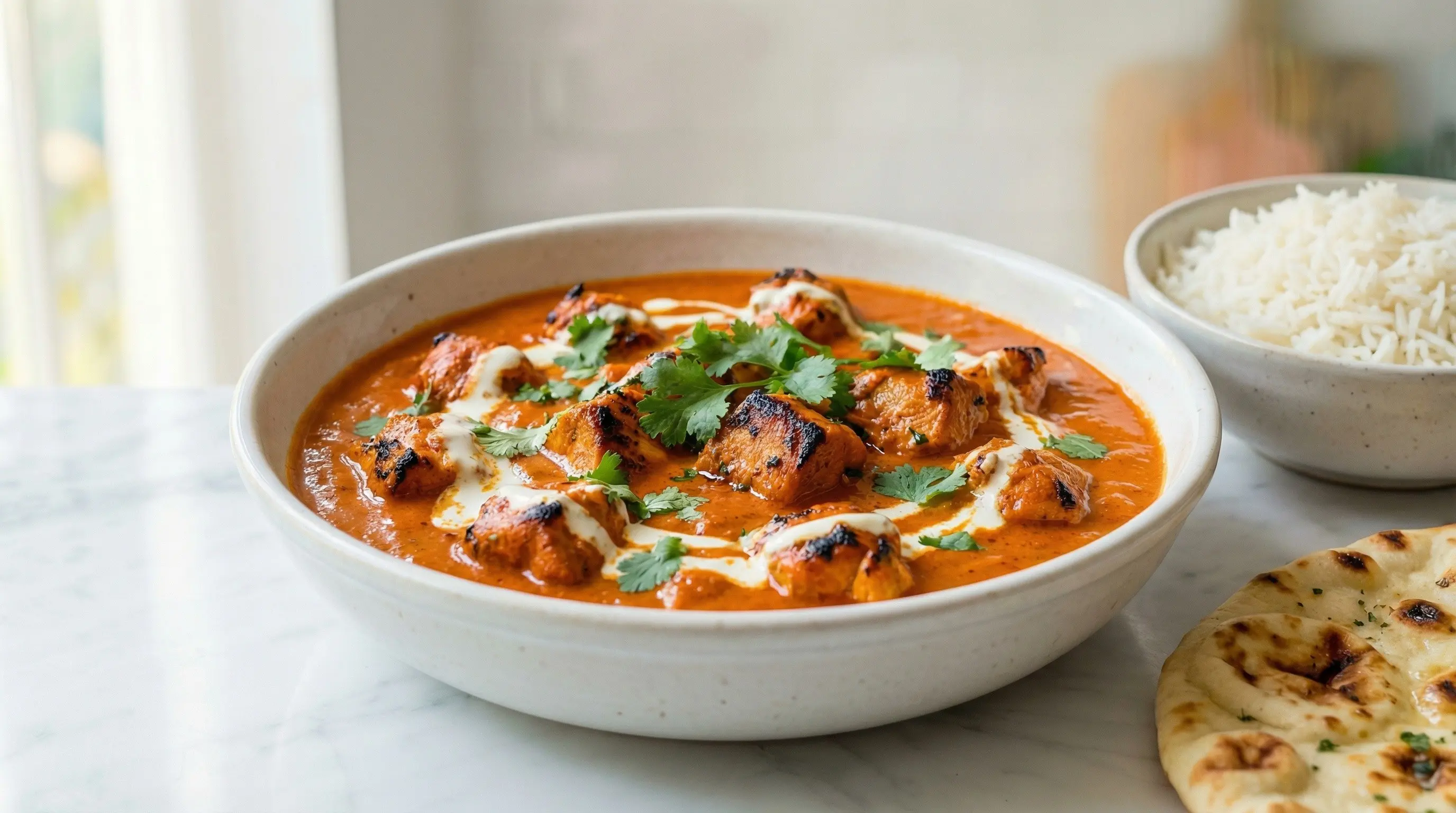
Chicken Tikka Masala
Learn how to make authentic chicken tikka masala with marinated, charred chicken in a rich, creamy tomato sauce. This beloved curry is aromatic, comforting, and utterly delicious!
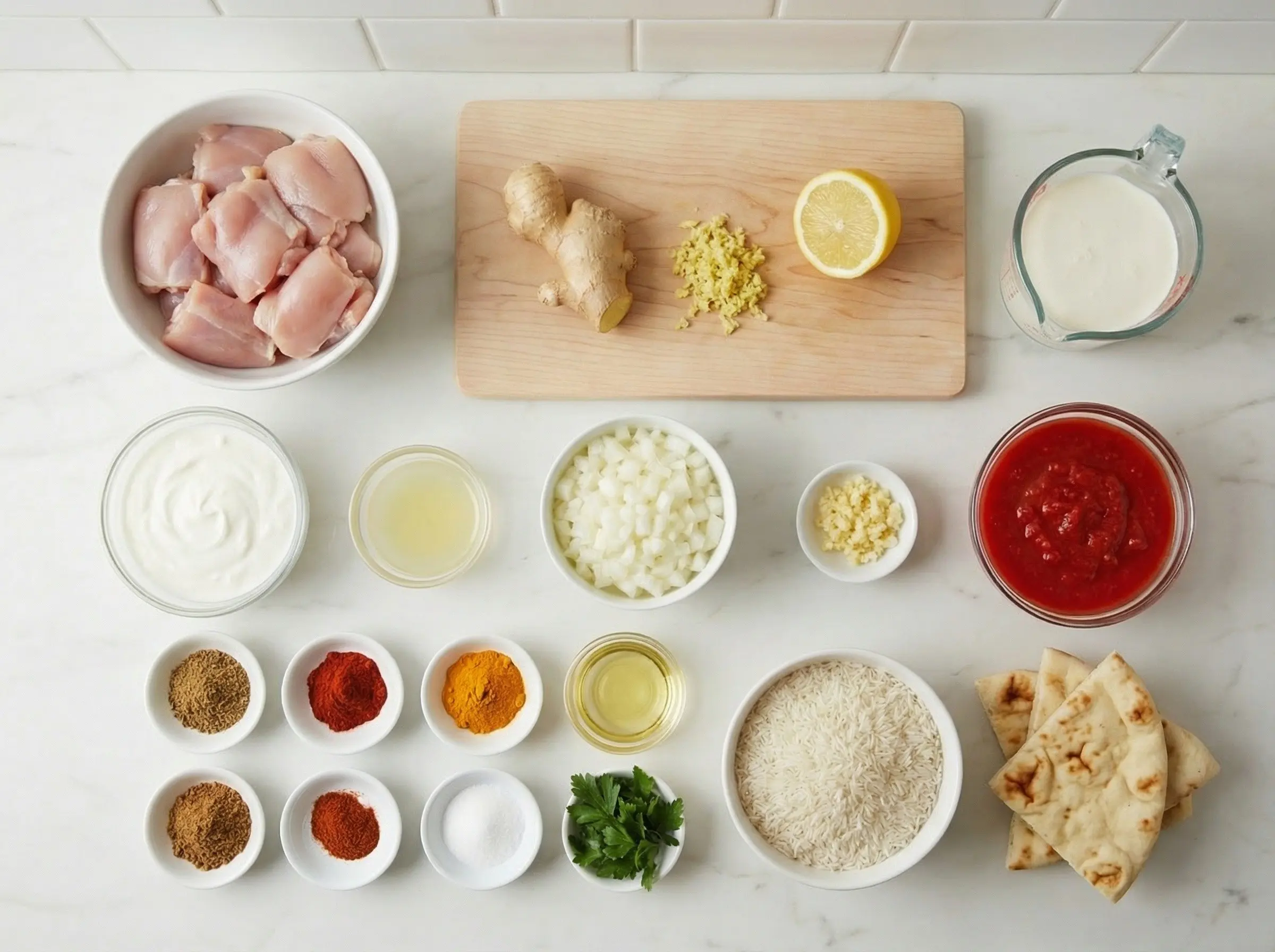
Ingredients
The Story
Chicken tikka masala is one of the most popular curry dishes in the world and also one of the most hotly debated in terms of its origins. The dish consists of chicken tikka - chunks of marinated, spiced chicken traditionally cooked in a tandoor oven - served in a rich, creamy, tomato-based sauce. While "tikka" and "masala" are both words from the Indian subcontinent (tikka meaning pieces or chunks, masala meaning spice mixture), the combination in this form is widely believed to have been invented in Britain, making chicken tikka masala a quintessential example of culinary fusion born from immigration and cultural exchange. The most popular origin story credits the dish to a Bangladeshi chef in Glasgow, Scotland in the 1970s. According to legend, a customer complained that his chicken tikka was too dry, so the chef improvised a sauce using tomatoes, cream, and spices - possibly inspired by a can of tomato soup - and chicken tikka masala was born. Other claims place its invention in London's Brick Lane or in restaurants throughout Britain's curry houses. Regardless of its exact birthplace, chicken tikka masala became so popular in Britain that in 2001, Foreign Secretary Robin Cook declared it "a true British national dish," representing "Britain's appetite for foreign flavors and openness to outside cultural influences." The dish has since conquered menus worldwide, from Indian restaurants in New York to food courts in Tokyo. What makes chicken tikka masala so universally beloved is its perfect balance of flavors and textures. The chicken, marinated in yogurt and spices then charred at high heat, develops a smoky, slightly charred exterior while remaining tender and juicy inside. The masala sauce is a symphony of flavors - sweet from tomatoes, rich from cream, warming from ginger and garlic, and aromatic from a carefully balanced blend of spices including cumin, coriander, garam masala, and often fenugreek. The sauce should be vibrant orange-red, creamy but not heavy, and complex without being overpoweringly spicy. Whether served in a curry house in Birmingham or a home kitchen anywhere in the world, chicken tikka masala represents comfort food at its finest - familiar yet exotic, simple yet sophisticated.
Instructions
Step 1
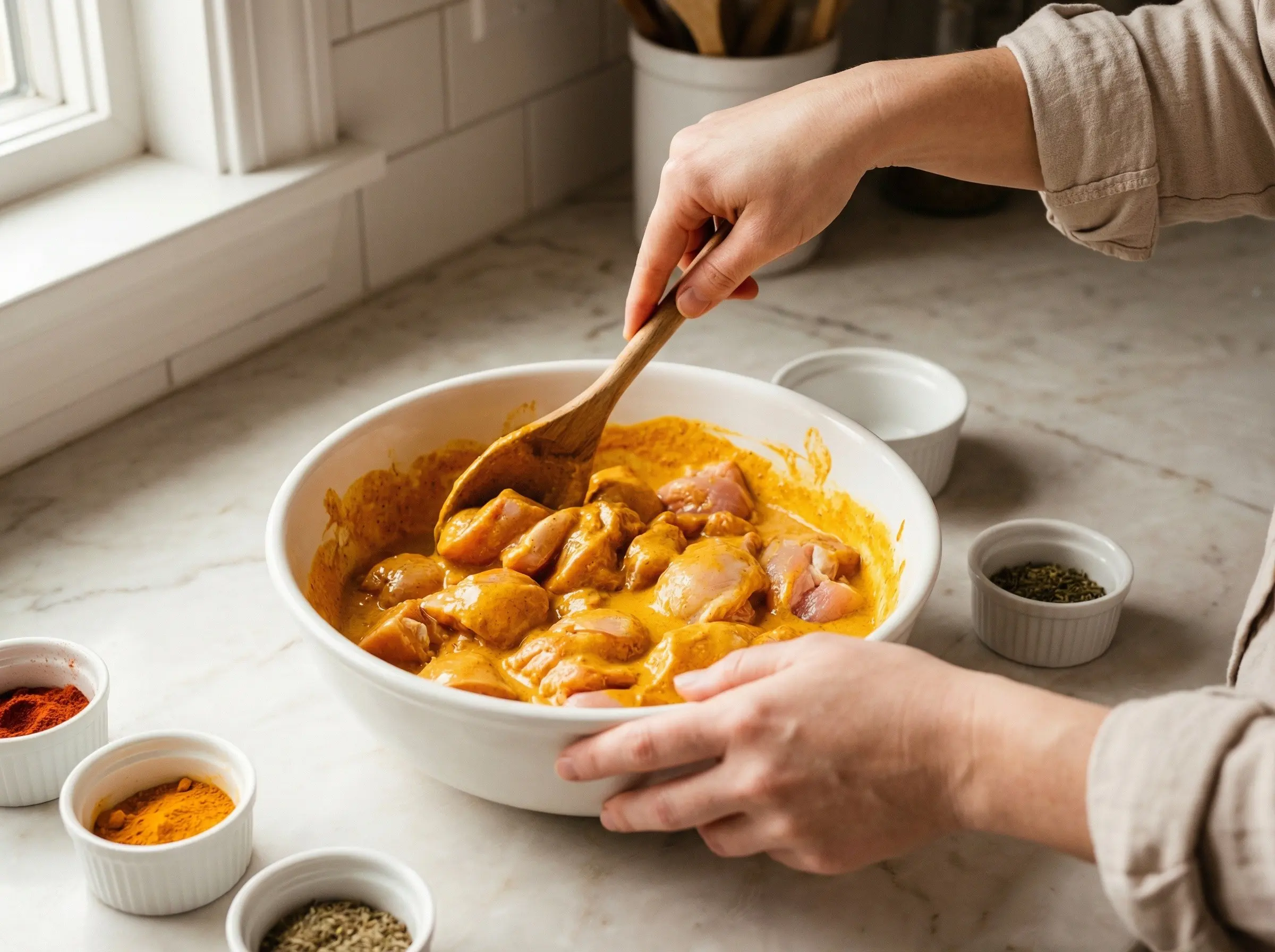
Prepare the chicken tikka marinade. In a large bowl, combine the yogurt, lemon juice, cumin, paprika, turmeric, garam masala, salt, and cayenne pepper. Whisk until smooth and vibrant orange in color. Cut the chicken thighs into 2-inch chunks and add them to the marinade, tossing to coat each piece thoroughly. Cover the bowl with plastic wrap and refrigerate for at least 2 hours, preferably overnight. The yogurt tenderizes the chicken while the spices penetrate deeply into the meat. The longer the marination, the more flavorful and tender the chicken will be. Remove the chicken from the refrigerator 30 minutes before cooking to take the chill off.
Step 2
Cook the marinated chicken. For the most authentic flavor, thread the chicken onto skewers and cook under a very hot broiler or on a grill, turning occasionally, until charred in spots and cooked through - about 12-15 minutes. The high heat creates the signature charred edges that distinguish tikka. Alternatively, heat 1 tablespoon of the oil in a large skillet over high heat and cook the chicken pieces in batches, letting them sear without moving for 2-3 minutes per side until charred and cooked through. Do not overcrowd the pan or the chicken will steam instead of char. Transfer the cooked chicken to a plate and set aside. The chicken does not need to be perfect at this stage as it will finish cooking in the sauce.
Step 3
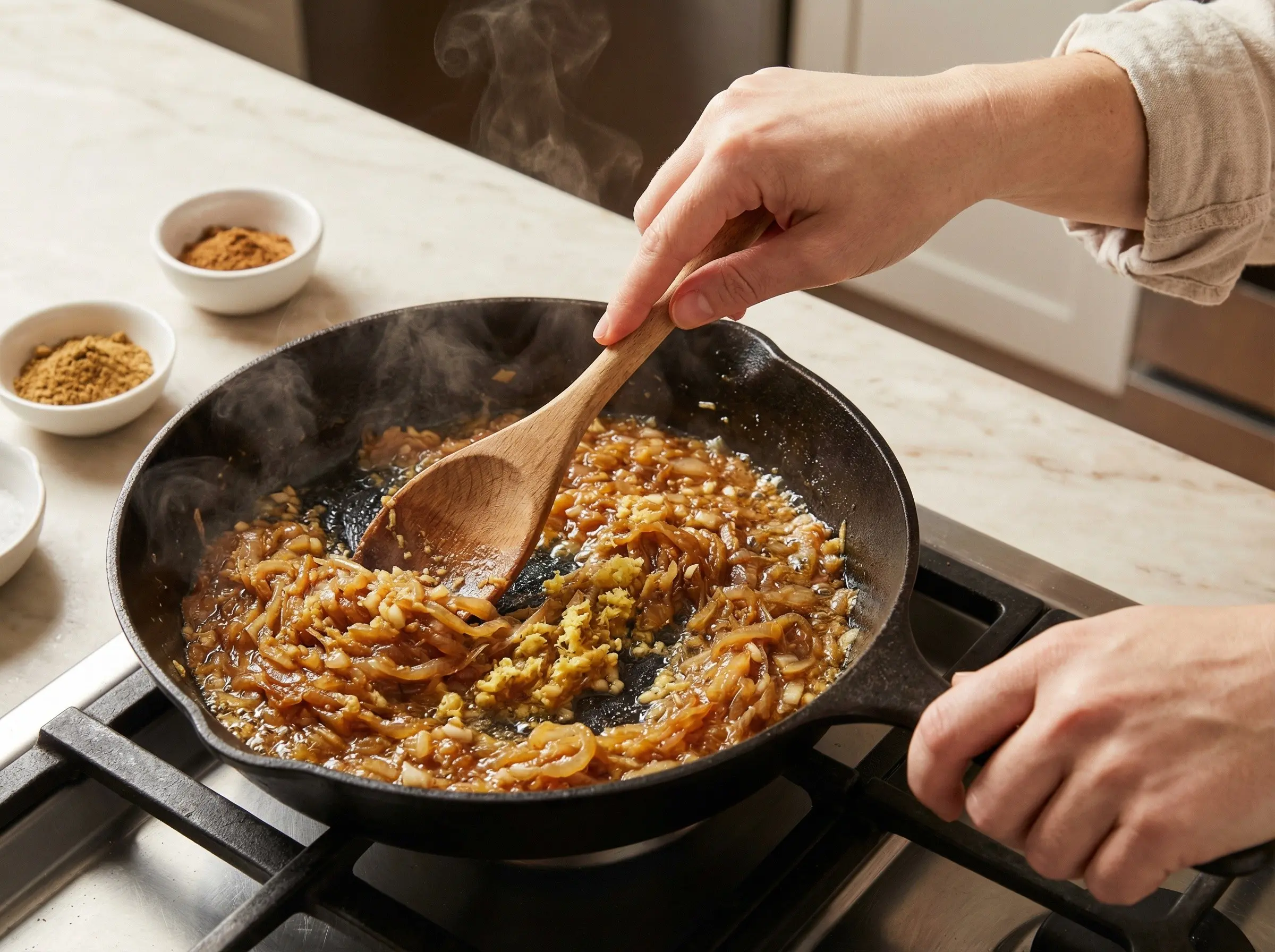
Prepare the masala sauce. In a large, deep skillet or pot, heat the remaining 2 tablespoons of oil or ghee over medium heat. Add the diced onion and cook for 8-10 minutes, stirring occasionally, until softened and golden brown. The caramelization of the onions is crucial for developing deep flavor in the sauce. Add the minced garlic and grated ginger, cooking for another 2 minutes until very fragrant. Add the ground coriander and remaining garam masala, stirring for about 30 seconds to toast the spices and release their aromatics.
Step 4
Add the crushed tomatoes and tomato paste to the onion mixture. Stir well and let the sauce simmer for 10-15 minutes, stirring occasionally, until the tomatoes have broken down and the oil begins to separate from the sauce around the edges - this is a sign that the raw tomato flavor has cooked out. The sauce should be thick and deeply colored. Add the sugar, which balances the acidity of the tomatoes and is essential for achieving the characteristic slightly sweet flavor of tikka masala. Season with salt and taste - adjust as needed.
Step 5
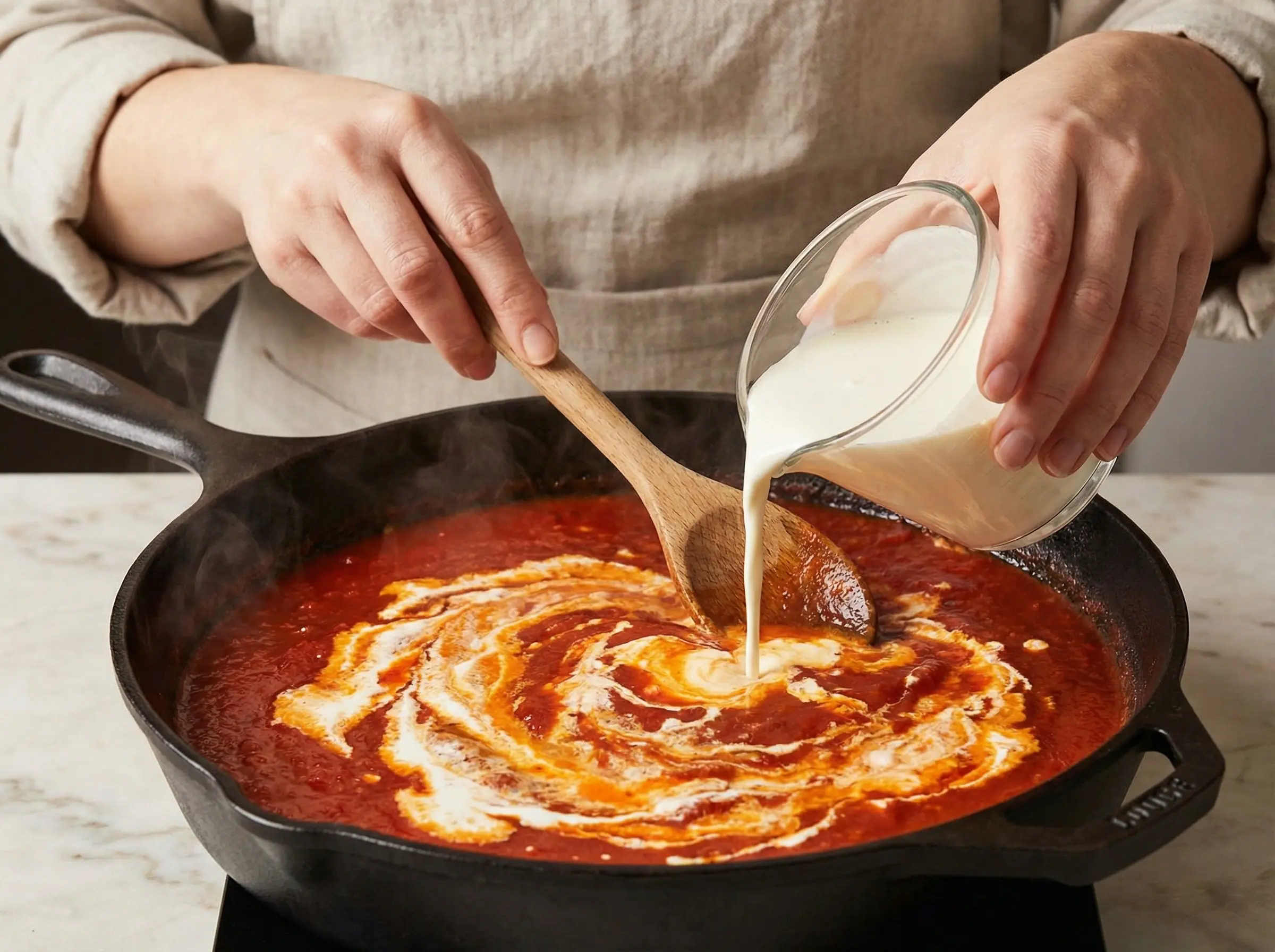
Pour in the heavy cream and stir until the sauce turns a beautiful vibrant orange color. Let the sauce simmer gently for another 5-7 minutes until it reaches a rich, creamy consistency. The sauce should coat the back of a spoon but still be pourable - not too thick, not too thin. If it becomes too thick, add a splash of water or chicken stock. If too thin, simmer a bit longer to reduce. Taste and adjust the seasoning - you may want more salt, a touch more sugar, or additional cayenne for heat. The sauce should be perfectly balanced between creamy, tomatoey, and warmly spiced.
Step 6
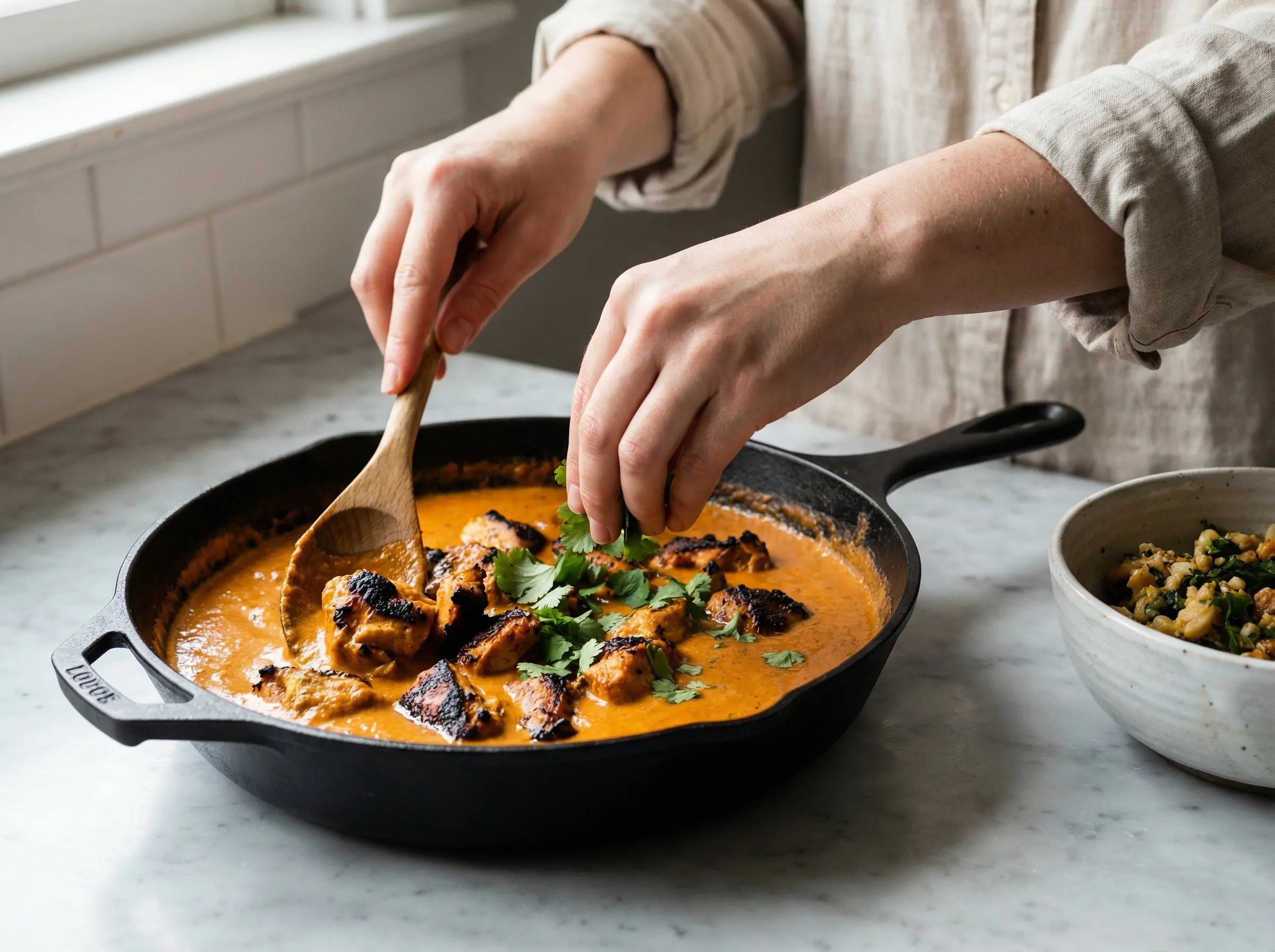
Add the charred chicken pieces to the sauce, including any juices that have accumulated on the plate. Stir gently to coat the chicken in the creamy masala sauce. Simmer for 5-8 minutes until the chicken is heated through and has absorbed some of the sauce flavors. The chicken should be tender and the sauce should cling to each piece. Remove from heat and stir in half of the chopped cilantro. Transfer to a serving bowl and garnish with the remaining cilantro. Serve immediately with steamed basmati rice and warm naan bread for scooping up the luscious sauce. For extra authenticity, finish with a drizzle of cream on top and a sprinkle of dried fenugreek leaves (kasuri methi) if available - this adds a distinctive earthy, slightly bitter note that is characteristic of restaurant-style tikka masala. Chicken tikka masala keeps well refrigerated for up to 4 days and actually improves in flavor overnight as the spices continue to meld.
You Might Also Like
Master Your Kitchen with PantryAI
Love this recipe? Save it, shop for it, and cook it with ease. Download the PantryAI app to organize your pantry, track expirations, and discover recipes based on what you already have.

On a computer?Scan with your iPhone camera to download PantryAI.








Swipe to see more screenshots