
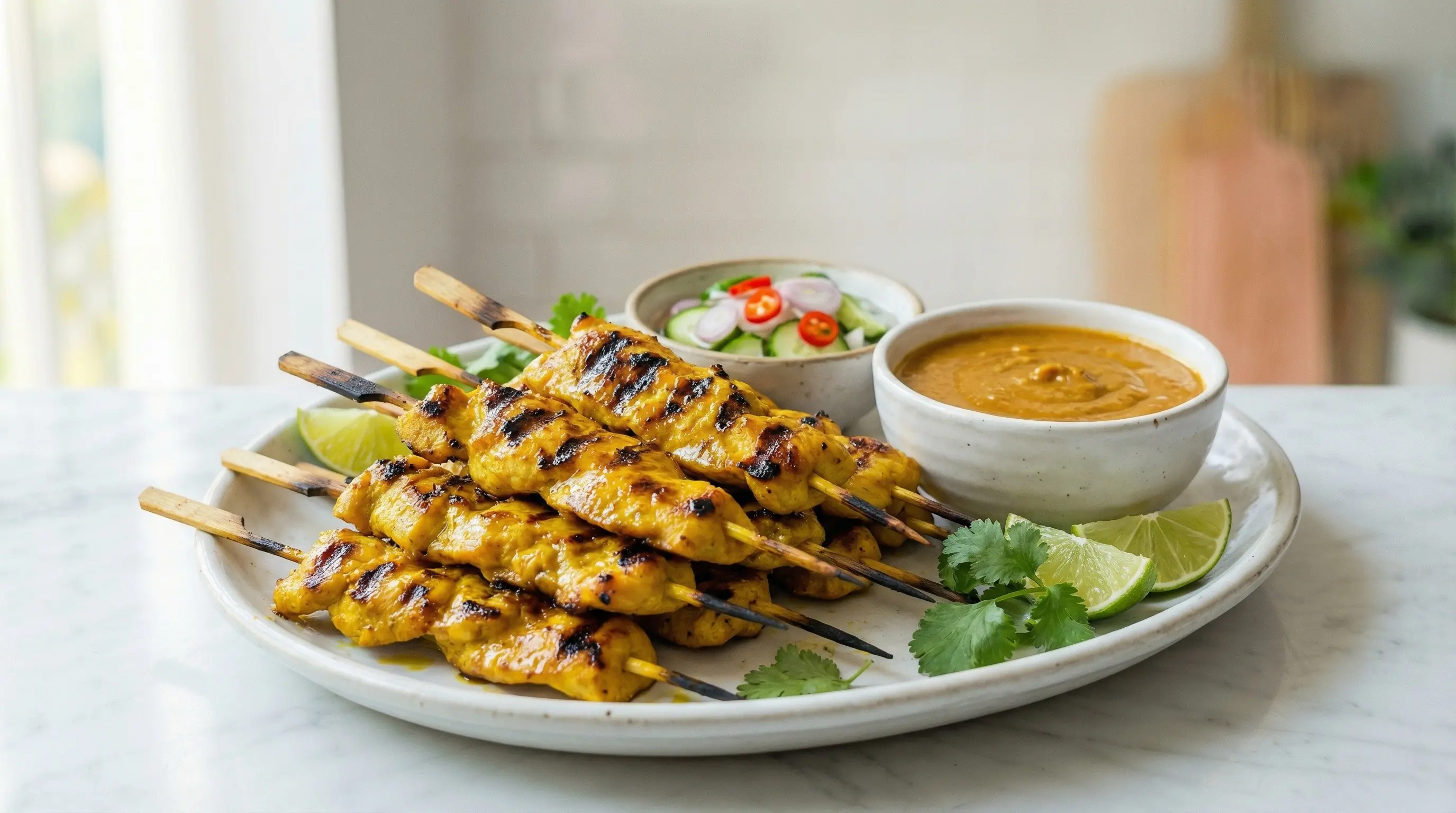
Chicken Satay
Learn how to make authentic chicken satay with tender marinated chicken skewers and creamy peanut dipping sauce. This popular Thai street food is perfect for parties and barbecues!
Ingredients
The Story
Satay is one of Southeast Asia's most beloved street foods, with origins that trace back to the Indonesian island of Java in the 19th century. The dish was likely inspired by Middle Eastern kebabs brought to the region by Arab traders and merchants who traveled the spice routes. Javanese cooks adapted the concept, creating skewered, grilled meats seasoned with local spices and served with peanut-based sauces. From Indonesia, satay spread throughout Southeast Asia, with each country developing its own distinctive versions. Thai satay, known as "satay gai" for chicken, evolved to incorporate Thai flavors like coconut milk, turmeric, lemongrass, and coriander in the marinade. In Thailand, satay became firmly established as a popular street food, particularly associated with the Muslim communities in southern Thailand and Bangkok who brought their culinary traditions from Malaysia and Indonesia. Thai satay vendors typically set up simple charcoal grills on the streets, fanning the flames as they cook skewer after skewer to order. The sight and smell of satay grilling over charcoal is iconic in Thai markets and night bazaars. While pork and beef satay exist, chicken satay is the most common in Thailand, appreciated for its tender texture and ability to absorb the aromatic marinade. The accompanying peanut sauce, called nam jim satay, is uniquely Thai - sweeter and creamier than Indonesian versions, enriched with coconut milk and balanced with tamarind. What makes chicken satay so universally appealing is the combination of tender, aromatic meat with the rich, creamy peanut sauce. The marinade performs double duty - the coconut milk and oil keep the chicken moist during grilling while the turmeric, coriander, and cumin infuse it with warm, fragrant flavors. The slight char from the grill adds a smoky dimension that complements the sweet-savory marinade. The peanut sauce ties everything together, its richness balanced by the tang of tamarind and the heat of chilies. Served with cool cucumber relish (ajad) and sometimes cubes of toast bread, satay is a complete sensory experience. Whether enjoyed as street food in Bangkok, as an appetizer at a Thai restaurant, or grilled at a backyard barbecue, chicken satay represents the best of Southeast Asian cooking - bold flavors, simple techniques, and irresistible results.
Instructions
Step 1
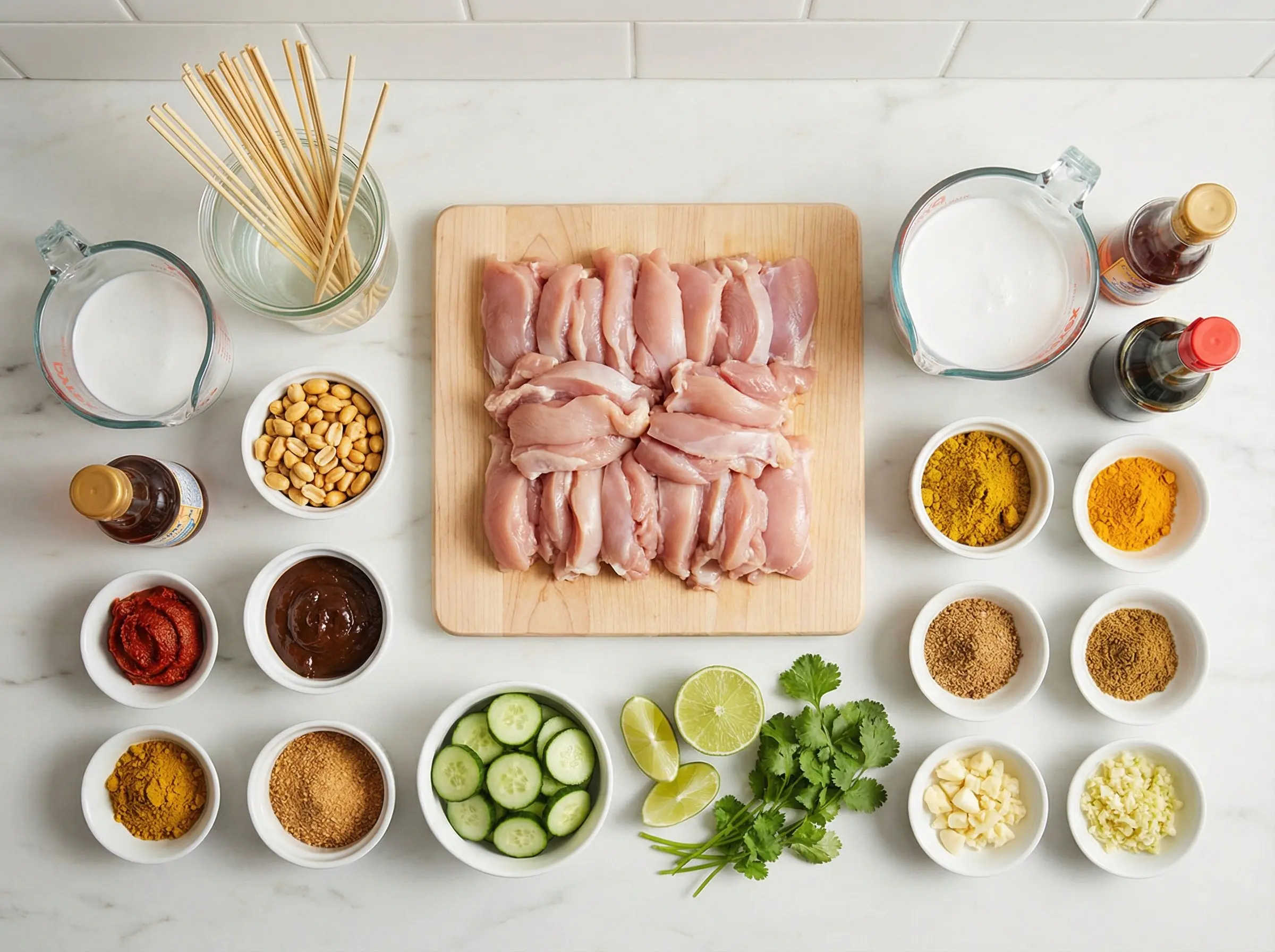
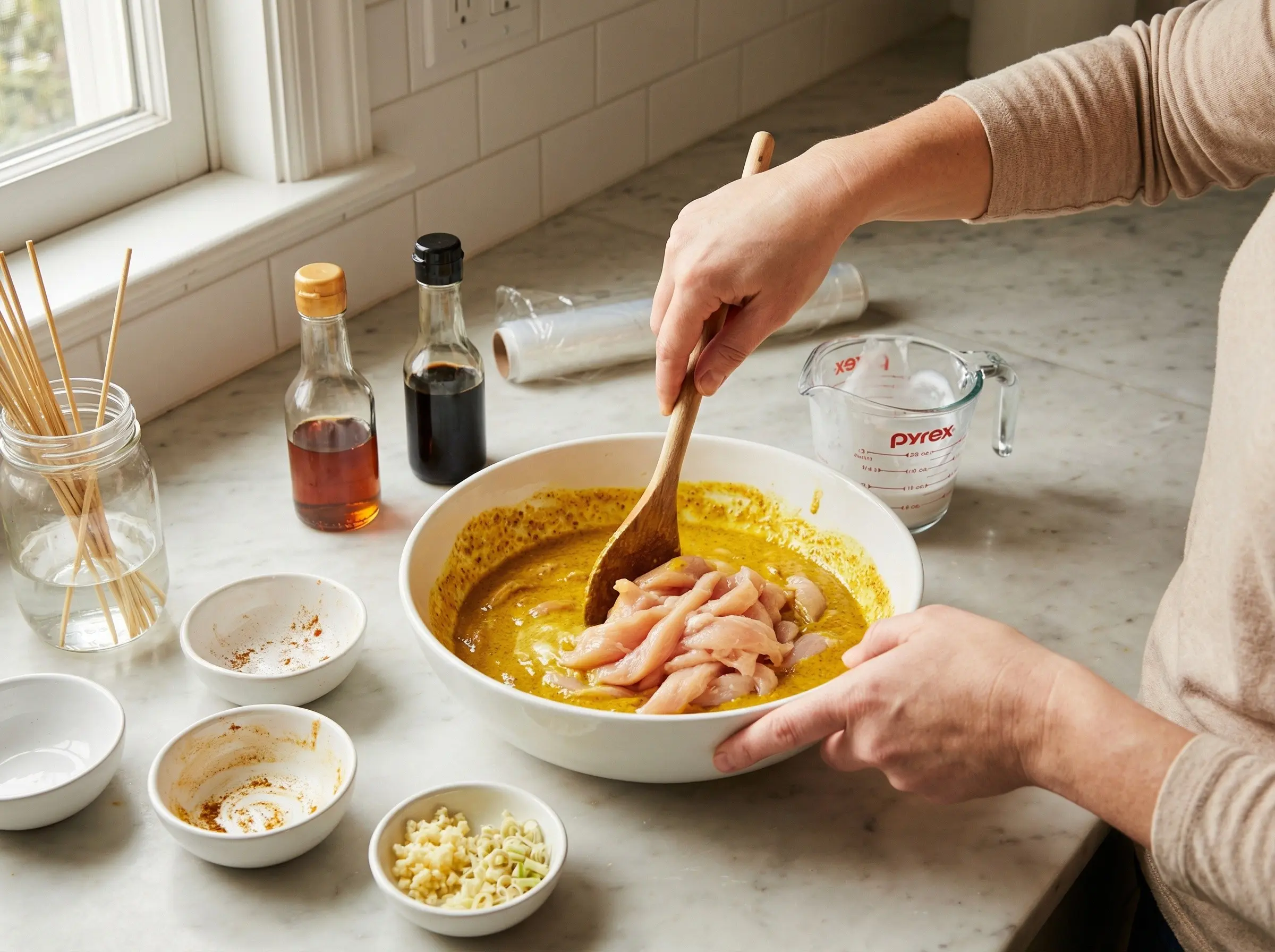
Prepare the marinade by combining the coconut milk, fish sauce, soy sauce, palm sugar, curry powder, turmeric, coriander, cumin, minced garlic, and minced lemongrass in a large bowl. Stir until the sugar dissolves and the spices are well incorporated. The marinade should be vibrant yellow from the turmeric. Cut the chicken thighs into long, thin strips about 1 inch wide and 4-5 inches long - thin strips ensure quick cooking and maximum surface area for the marinade. Add the chicken to the marinade, tossing to coat each piece thoroughly. Cover and refrigerate for at least 2 hours, preferably overnight. The longer the chicken marinates, the more flavorful and tender it will be. Soak the bamboo skewers in water for at least 30 minutes to prevent them from burning on the grill.
Step 2
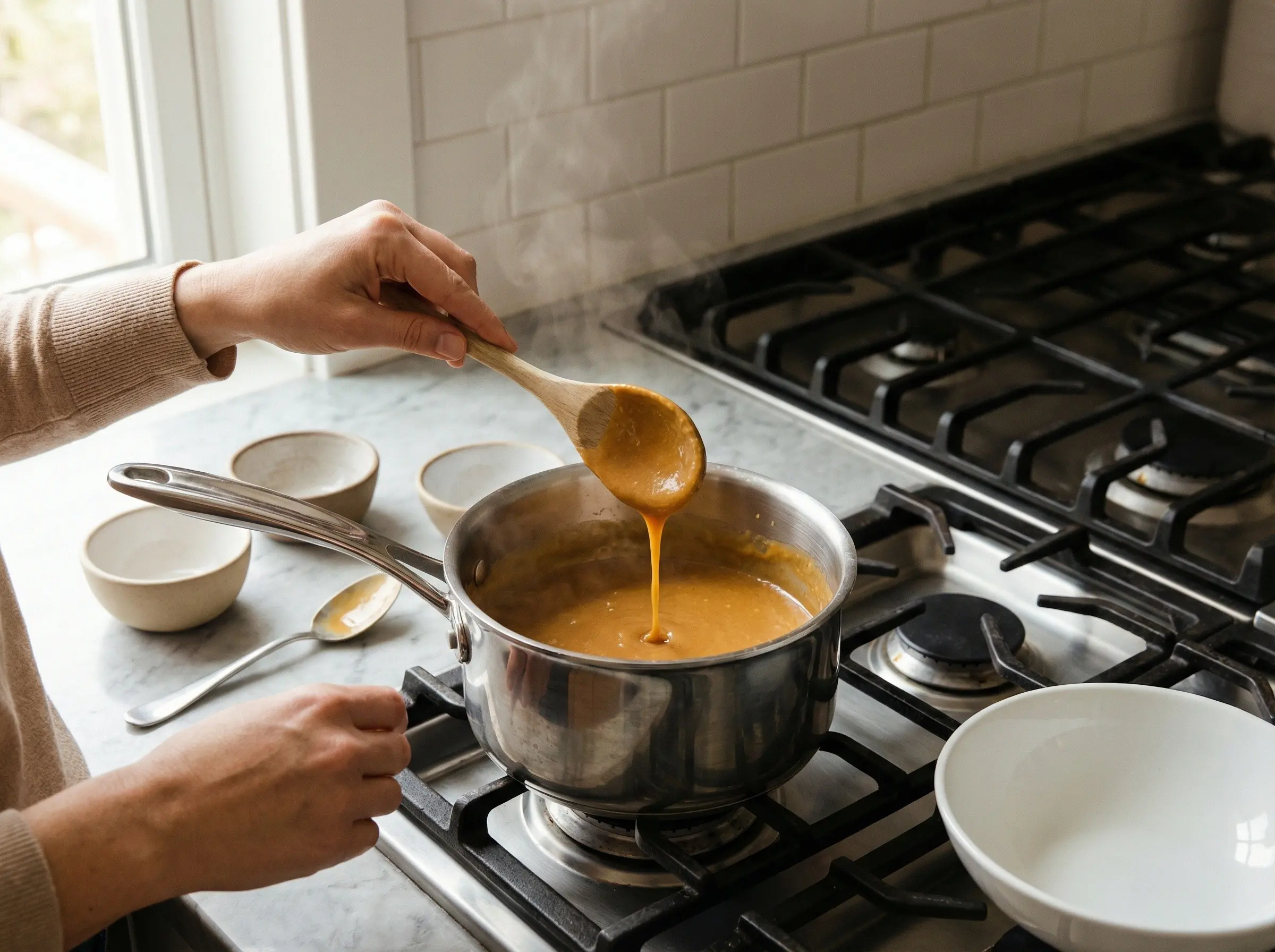
While the chicken marinates, prepare the peanut sauce. Place the roasted peanuts in a food processor and pulse until finely ground but not yet a paste - you want some texture remaining. Alternatively, use 3/4 cup of natural peanut butter. In a small saucepan over medium heat, combine the coconut milk and red curry paste. Cook for 2-3 minutes, stirring constantly, until the paste is fragrant and dissolved into the coconut milk. Add the ground peanuts, tamarind paste, palm sugar, fish sauce, and water. Stir well to combine.
Step 3
Bring the peanut sauce to a gentle simmer and cook for 5-7 minutes, stirring frequently, until the sauce thickens to a creamy, pourable consistency. It should coat the back of a spoon but still flow easily. Taste and adjust the seasoning - add more palm sugar for sweetness, more tamarind for tanginess, more fish sauce for saltiness, or a splash of water if too thick. The sauce should be balanced between sweet, salty, sour, and nutty. Remove from heat and let cool to room temperature. The sauce will thicken further as it cools - thin with water when serving if needed. The sauce can be made up to 5 days ahead and refrigerated.
Step 4
Thread the marinated chicken onto the soaked bamboo skewers. Weave each strip of chicken onto the skewer in an S-shape or accordion fold, keeping the meat relatively flat and thin for even cooking. Leave about 2 inches of the skewer exposed at the bottom as a handle. Each skewer should have one strip of chicken. Do not pack the meat too tightly or it will not cook evenly. You should get 20-24 skewers depending on the size of your chicken pieces. Reserve the remaining marinade for basting.
Step 5
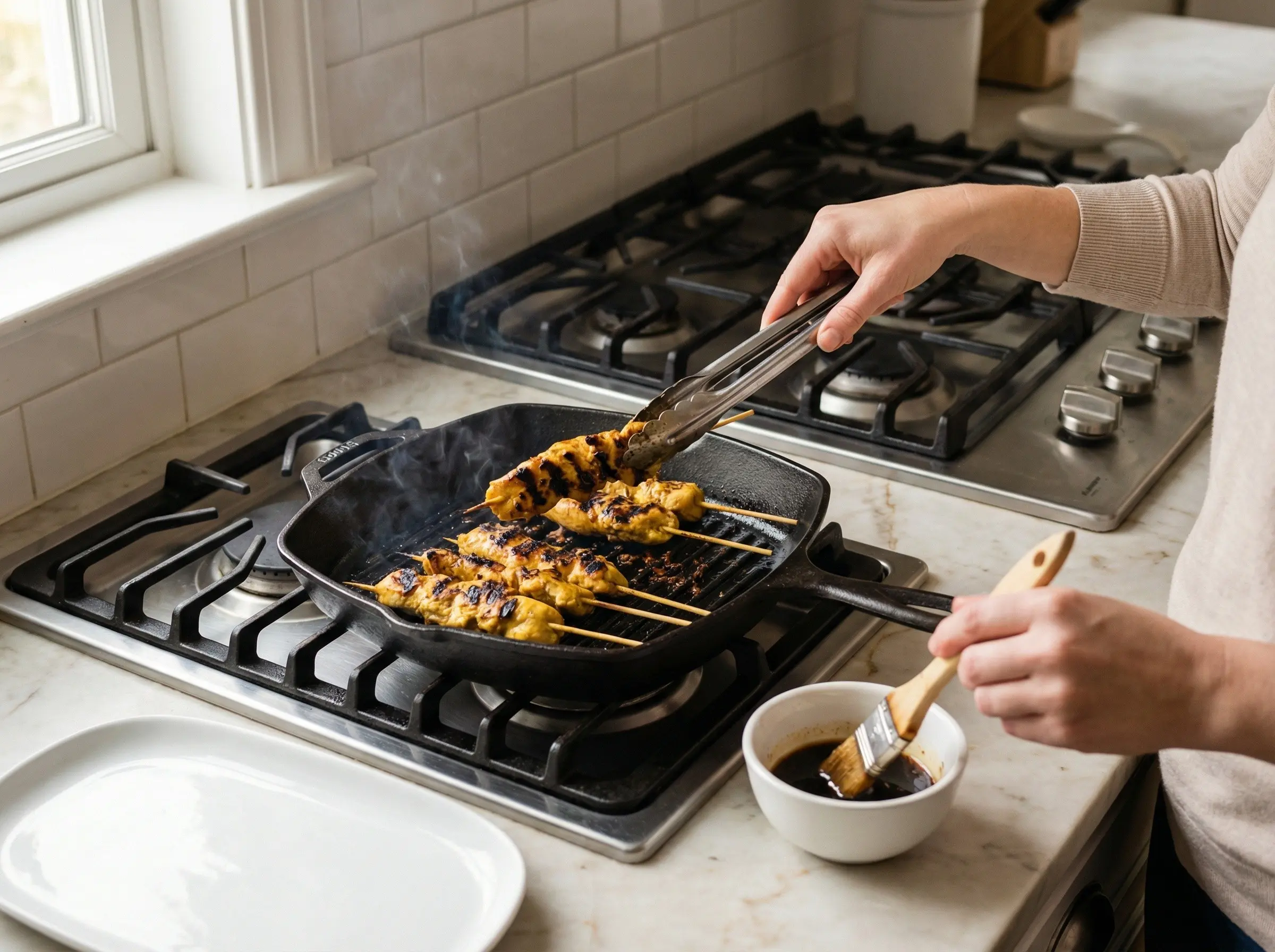
Preheat a grill, grill pan, or broiler to medium-high heat. If using a charcoal grill, wait until the coals are covered with white ash for the best flavor. Lightly oil the grill grates to prevent sticking. Place the chicken skewers on the grill and cook for 2-3 minutes per side, basting occasionally with the reserved marinade. The chicken should develop nice char marks and caramelization from the sugars in the marinade. Turn carefully to cook all sides evenly. The skewers are done when the chicken is cooked through and slightly charred on the edges - this takes about 6-8 minutes total depending on the thickness of your meat. Do not overcook or the chicken will become dry.
Step 6
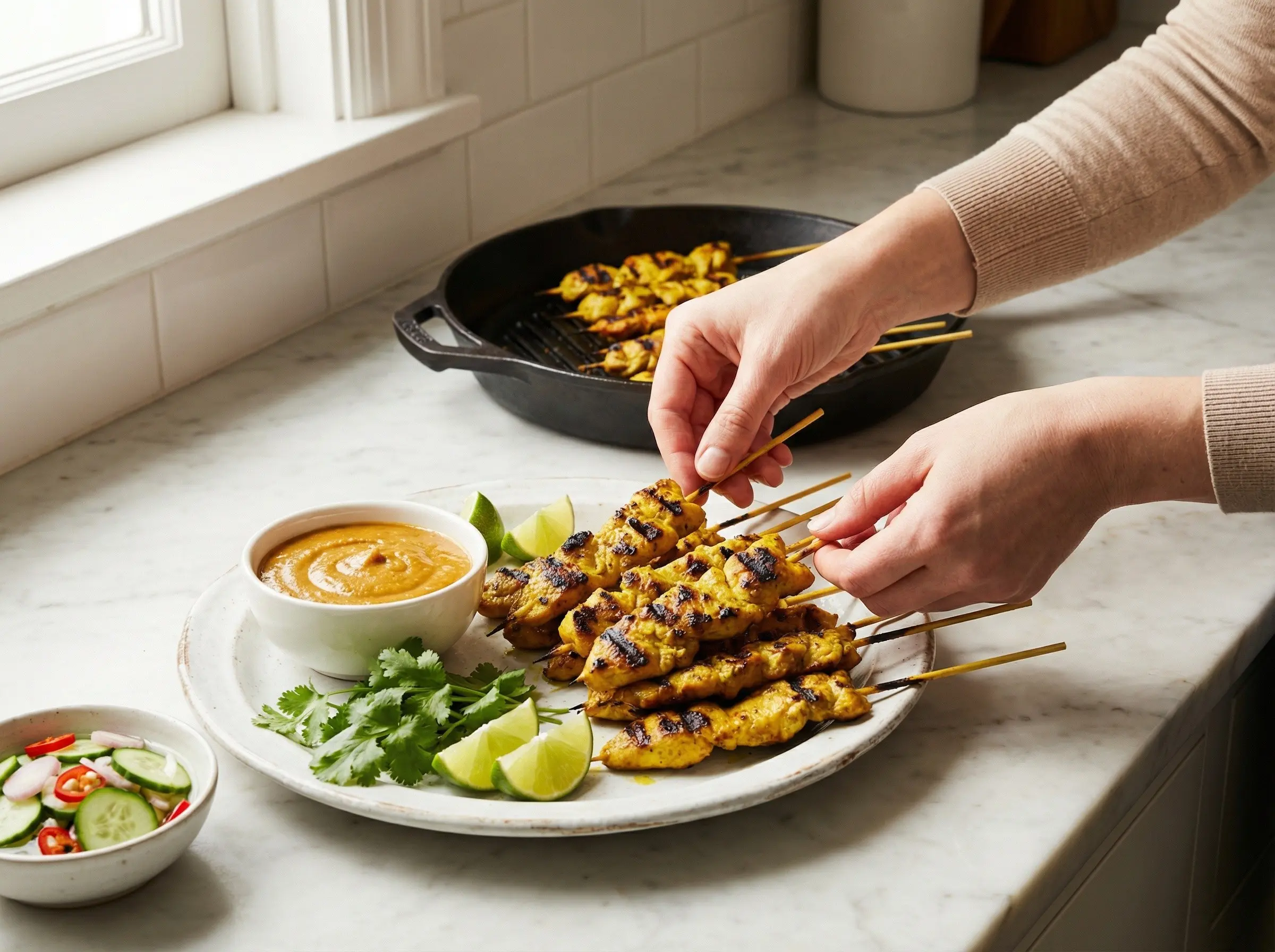
Arrange the grilled satay skewers on a serving platter. Serve immediately while hot with the peanut sauce on the side for dipping. Traditional accompaniments include cucumber relish (ajad) made with sliced cucumbers, shallots, and chilies in a sweet vinegar dressing, which provides a cool, refreshing contrast to the rich satay. In Thailand, satay is sometimes served with small cubes of toast bread to soak up extra peanut sauce. Garnish the platter with fresh cilantro and lime wedges if desired. Chicken satay makes an excellent appetizer for parties - the skewers are easy to eat while standing and mingling. Leftover satay can be refrigerated for up to 3 days and reheated on the grill or in the oven, though freshly grilled is always best.
You Might Also Like
Master Your Kitchen with PantryAI
Love this recipe? Save it, shop for it, and cook it with ease. Download the PantryAI app to organize your pantry, track expirations, and discover recipes based on what you already have.

On a computer?Scan with your iPhone camera to download PantryAI.








Swipe to see more screenshots