
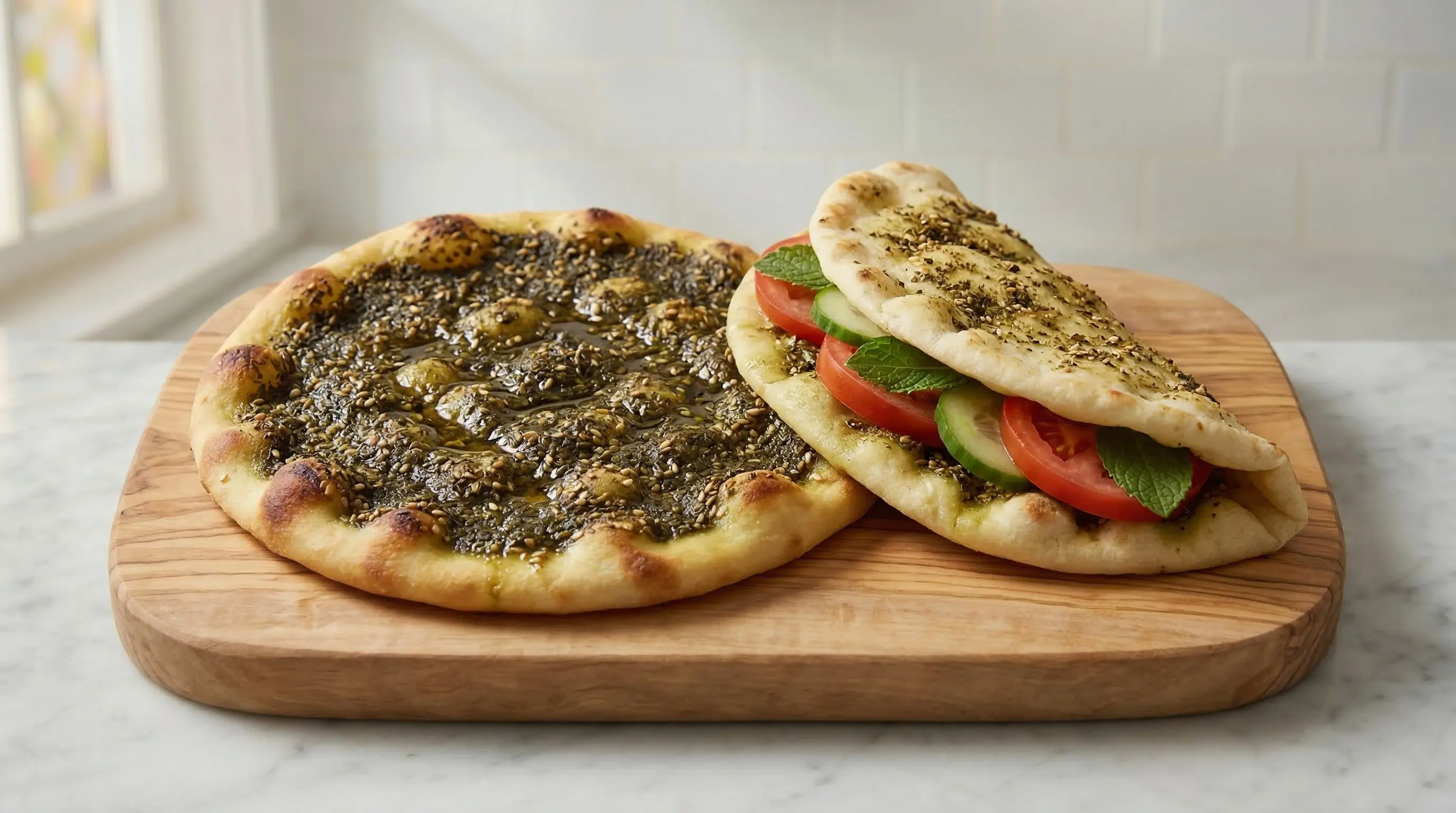
Manakish
Learn how to make authentic manakish, the beloved Lebanese flatbread topped with fragrant za'atar and olive oil. This Middle Eastern breakfast staple is herbaceous, crispy, and utterly irresistible!
Ingredients
The Story
Manakish is the quintessential breakfast of Lebanon and the Levant, a soft flatbread pressed with a fragrant mixture of za'atar and olive oil that has started mornings across the region for generations. The name comes from the Arabic verb "naqasha," meaning to carve or engrave, describing the traditional technique of pressing fingertips into the dough to create indentations that hold the topping. In every Lebanese neighborhood, from the bustling streets of Beirut to tiny mountain villages, the morning begins with the aroma of manakish baking in communal wood-fired ovens, drawing families and neighbors to the local bakery, or "furn," before the day begins. Manakish represents the beautiful simplicity at the heart of Levantine cooking. The dough is straightforward - flour, water, yeast, salt, and a touch of sugar - requiring no special skills, just patience for rising. The magic lies in the topping. Za'atar, a blend of dried thyme, sumac, sesame seeds, and salt, mixed with olive oil, creates a paste that is simultaneously herbaceous, tangy, nutty, and deeply savory. As the bread bakes, the za'atar toasts slightly, the olive oil pools in the fingertip indentations, and the dough puffs around the edges while remaining thin and crisp in the center. The result is a flatbread that is part pizza, part focaccia, entirely its own thing. What makes manakish so extraordinary is how such humble ingredients create something so satisfying. The bread itself is soft yet slightly chewy, with just enough structure to fold around fresh vegetables without falling apart. The za'atar topping provides complexity - the thyme is earthy and aromatic, the sumac adds a citrusy tang, the sesame seeds contribute nuttiness, and the olive oil carries it all into a unified flavor. Eaten fresh from the oven, folded in half with sliced tomatoes, cucumbers, and fresh mint tucked inside, manakish is breakfast perfection. It is equally delicious plain, torn into pieces for scooping hummus or labneh, or rolled around salty white cheese. Manakish proves that the most beloved foods are often the simplest - flour, herbs, oil, heat, and tradition.
Instructions
Step 1
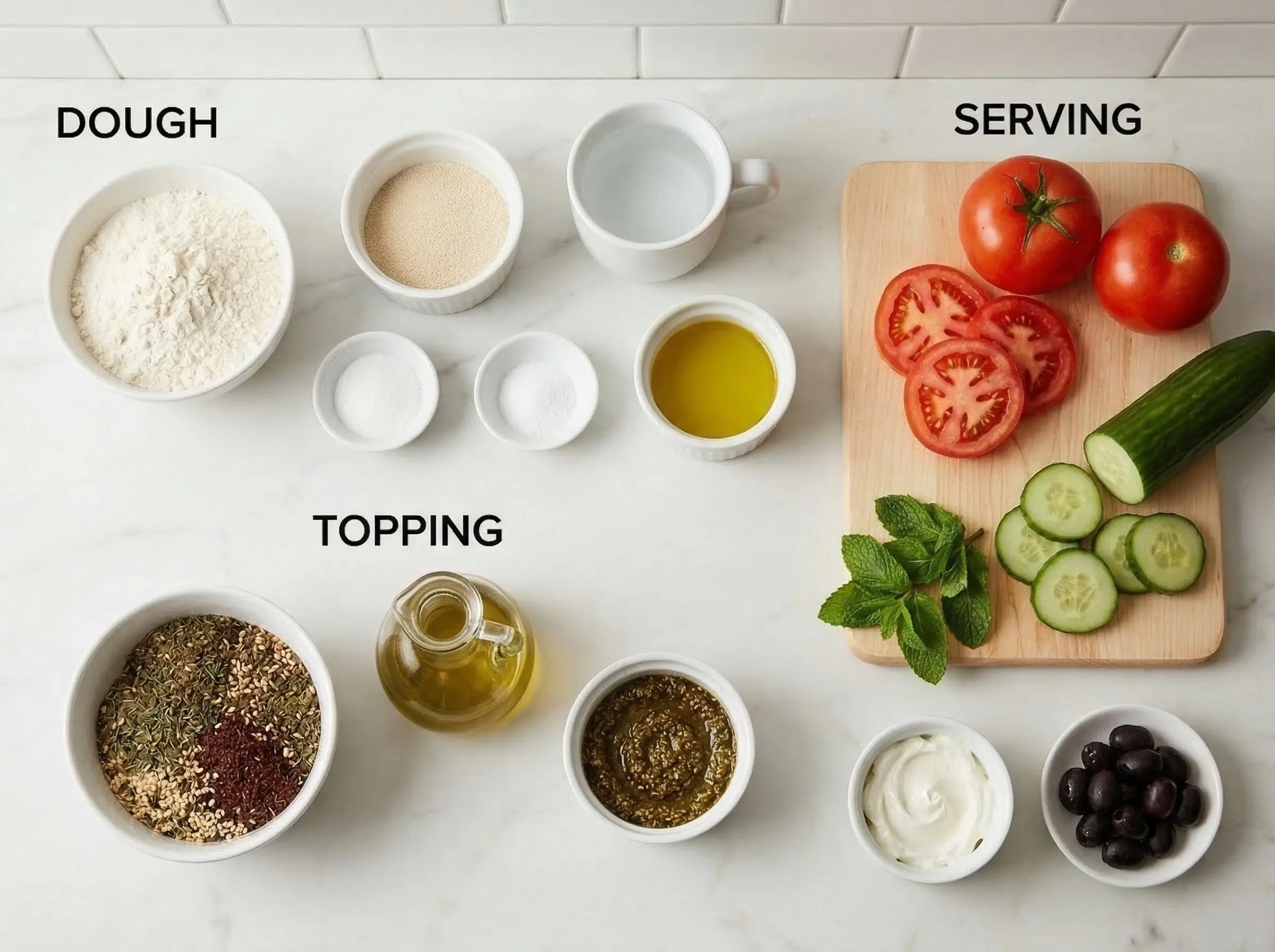
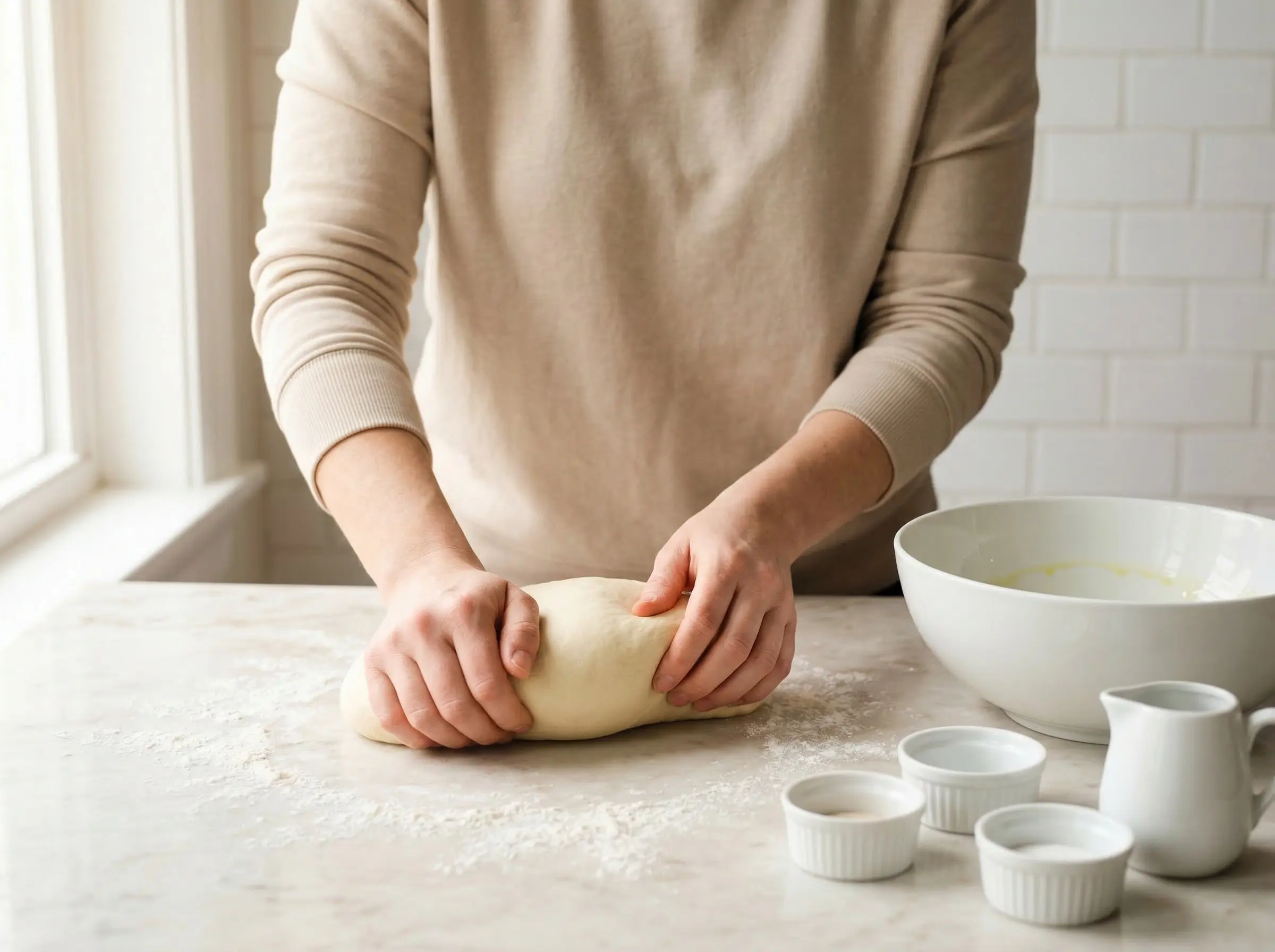
Make the dough. In a large bowl, combine the flour, instant yeast, sugar, and salt. Make a well in the center and add the olive oil and warm water. Mix with a wooden spoon or your hands until a shaggy dough forms. Turn out onto a lightly floured surface and knead for 8-10 minutes until smooth, soft, and elastic. The dough should spring back when poked. Alternatively, use a stand mixer with a dough hook for 5-6 minutes. Place the dough in a lightly oiled bowl, cover with plastic wrap or a damp towel, and let rise in a warm place for 1 to 1.5 hours until doubled in size.
Step 2
Prepare the za'atar topping. In a small bowl, combine the za'atar spice blend with the olive oil. Stir until it forms a thick, spreadable paste. The consistency should be like wet sand - not too dry, not dripping with oil. Let sit while the dough rises so the za'atar can hydrate slightly in the oil. Good quality za'atar makes all the difference - look for blends with visible dried thyme leaves, red-tinged sumac, and sesame seeds.
Step 3
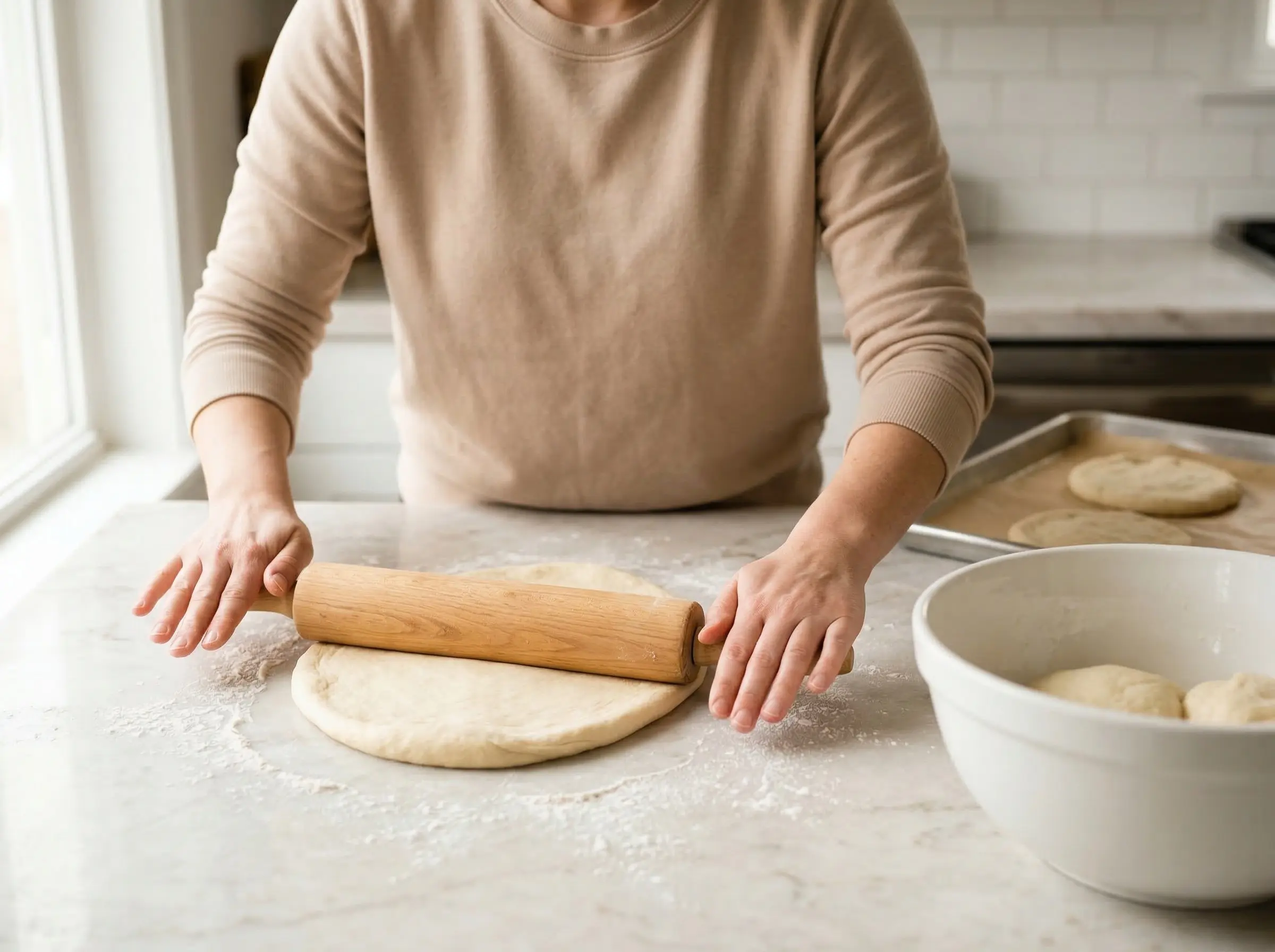
Shape the manakish. Preheat your oven to 475 degrees F (or as hot as it will go) with a baking stone or inverted baking sheet inside. Punch down the risen dough and divide into 6-8 equal pieces. Roll each piece into a ball, then flatten into a round disc about 6-8 inches in diameter and 1/4 inch thick. The edges can be slightly thicker than the center. Place on parchment-lined baking sheets while you shape the rest.
Step 4
Apply the topping. Using your fingertips, press indentations all over the surface of each dough round - these traditional dimples hold the za'atar topping and create the characteristic texture. Spread 2-3 tablespoons of the za'atar-oil mixture evenly over each round, making sure to fill the indentations. Leave a small border around the edge. The topping should be generous but not so thick that it slides off.
Step 5
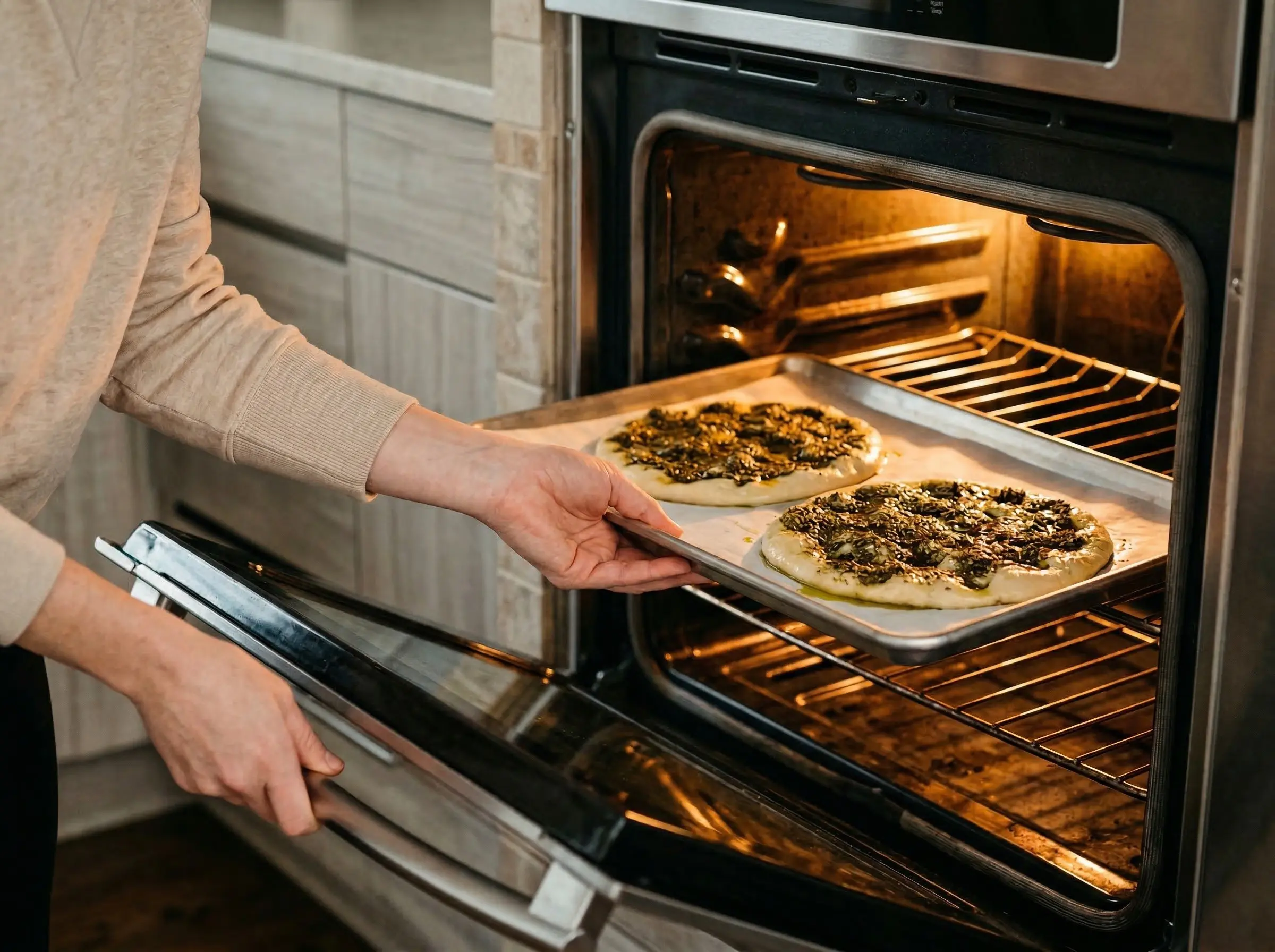
Bake until golden. Carefully transfer 2-3 manakish at a time onto the preheated baking stone or sheet. Bake for 6-8 minutes until the edges are golden and puffed, the bottom is lightly charred in spots, and the za'atar topping is fragrant and slightly toasted. The bread should be cooked through but still soft and pliable - overbaking makes it too crispy to fold. Watch carefully as oven temperatures vary.
Step 6
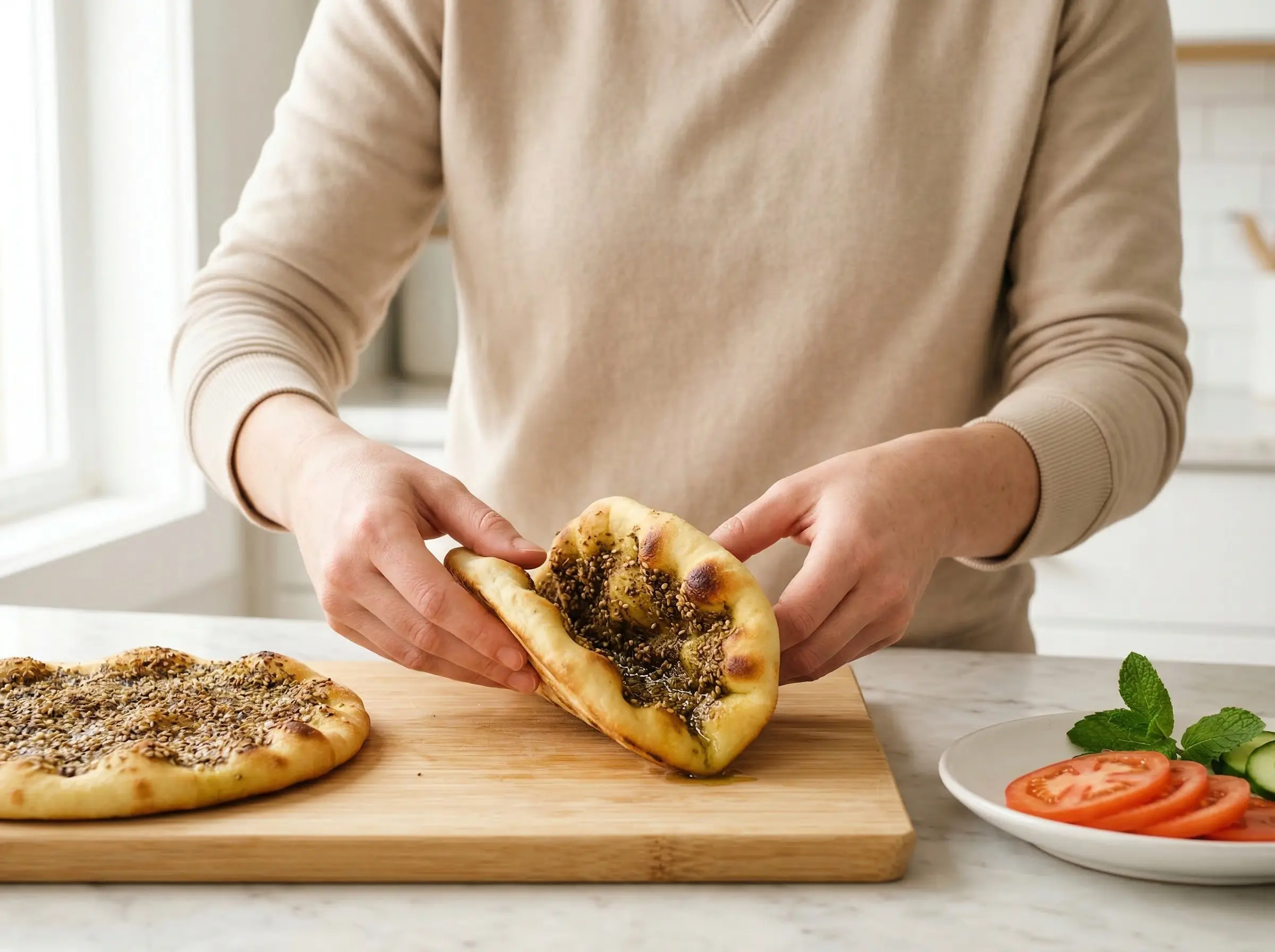
Serve immediately. Manakish is best eaten fresh and warm from the oven. Serve the flatbreads whole or cut into wedges. The traditional way to eat manakish is to fold it in half, stuffing the inside with sliced tomatoes, cucumbers, fresh mint, and optionally labneh or salty white cheese. The combination of warm, herbaceous bread with cool, crisp vegetables is essential to the experience. Manakish can also be served flat, torn into pieces for scooping hummus or baba ganoush, or enjoyed plain with strong Arabic coffee or mint tea. While best fresh, cooled manakish can be wrapped in foil and frozen for up to 2 months - reheat in a hot oven to restore some crispness. In Lebanon, manakish is primarily breakfast food, but it is delicious any time of day.
You Might Also Like
Master Your Kitchen with PantryAI
Love this recipe? Save it, shop for it, and cook it with ease. Download the PantryAI app to organize your pantry, track expirations, and discover recipes based on what you already have.

On a computer?Scan with your iPhone camera to download PantryAI.








Swipe to see more screenshots