
Pozole Rojo
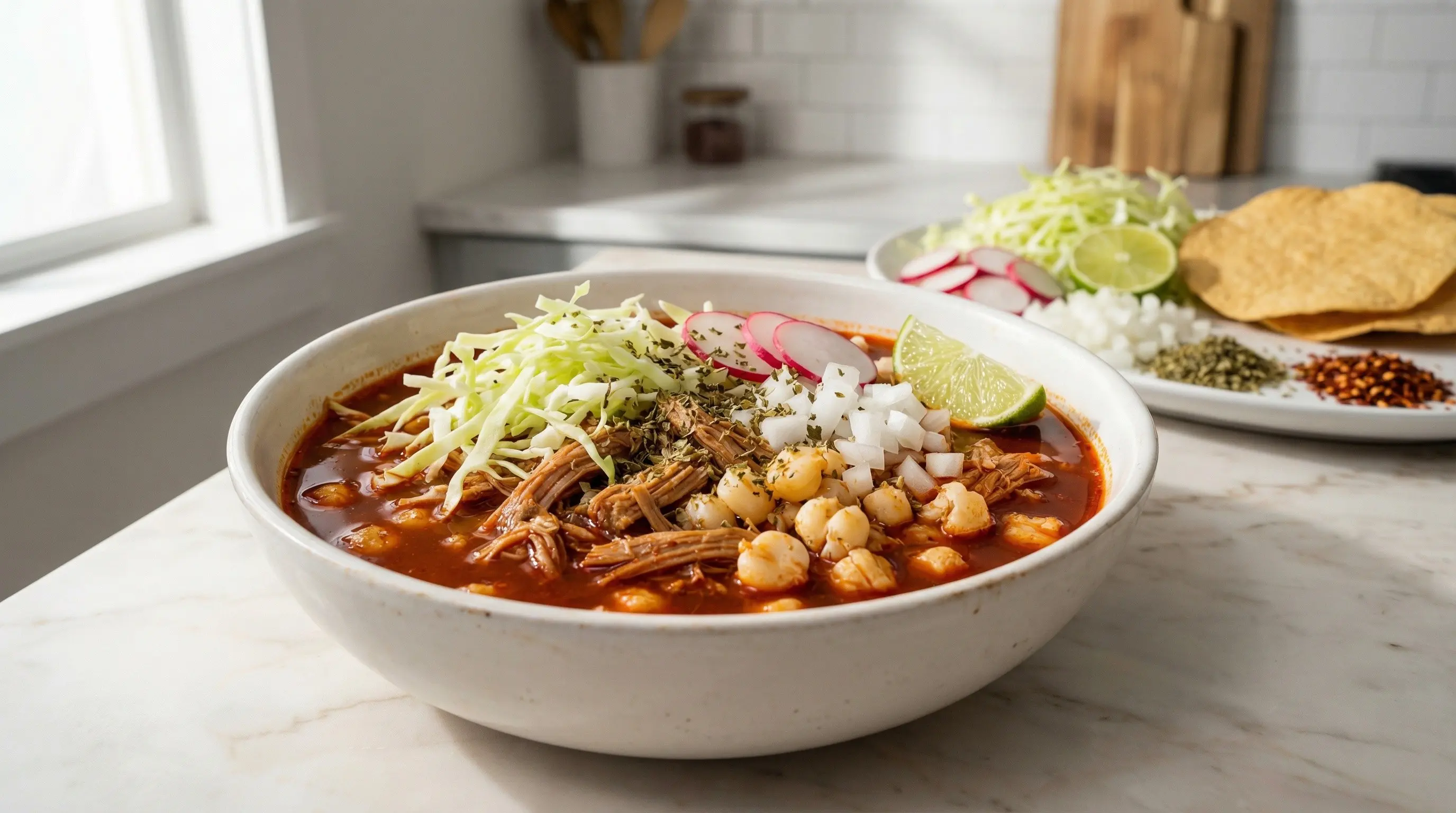
Learn how to make authentic pozole rojo, the beloved Mexican celebration stew with tender pork, puffy hominy, and rich red chile broth. This traditional dish is perfect for gatherings and holidays!
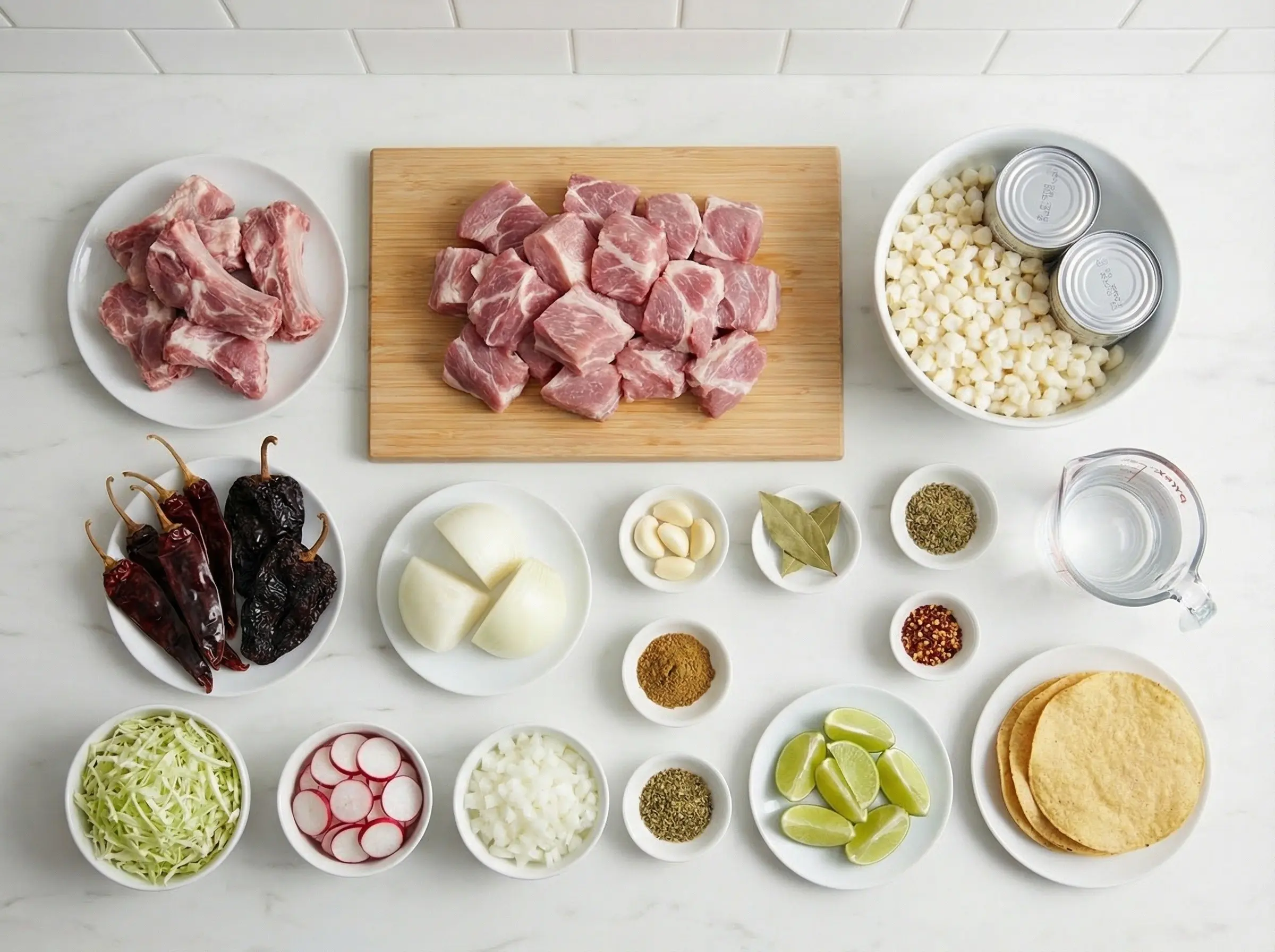
Ingredients
The Story
Pozole is one of Mexico's most ancient and significant dishes, a hearty stew of hominy corn and meat in a rich chile broth that has been prepared for thousands of years. The name comes from the Nahuatl word "pozolli," meaning foamy or frothy, describing the appearance of the cooked hominy kernels as they burst open into flower-like shapes. Archaeological evidence suggests that pozole was consumed by the Aztecs as early as the 15th century, though it likely predates even that. In pre-Columbian times, the dish held profound ceremonial importance and was served during religious festivals, including those honoring the god Xipe Totec. The original version was made with human flesh - a practice that thankfully ended with the Spanish conquest, when pork was substituted as the protein most similar in taste and texture. Today, pozole is the quintessential Mexican celebration food, served at birthdays, weddings, baptisms, Christmas, New Year's Eve, and especially during Mexican Independence Day on September 16th. There are three main varieties: pozole rojo (red) made with dried red chiles, pozole verde (green) made with green chiles, tomatillos, and pepitas, and pozole blanco (white) made without chiles. Each region of Mexico has its own variation - Jalisco is famous for pozole rojo, Guerrero for pozole verde, and Morelos for pozole blanco. The dish is typically made in large batches because it is meant for sharing, bringing families and communities together around the same pot. What makes pozole so special is the transformative magic of slow cooking and the joy of communal dining. The pork shoulder simmers for hours until it falls apart into tender shreds. The hominy, made from dried corn kernels treated with lime (a process called nixtamalization), swells into puffy, chewy morsels that absorb the rich chile broth. But perhaps the most beloved aspect of pozole is the array of garnishes that accompany it - shredded cabbage, sliced radishes, diced onion, dried oregano, lime wedges, tostadas, and chile flakes - all arranged on a platter for diners to customize their bowl. This interactive element turns eating pozole into a communal ritual, with everyone reaching for toppings and comparing their combinations. A steaming bowl of pozole, piled high with fresh garnishes, is comfort food of the highest order.
Instructions
Step 1
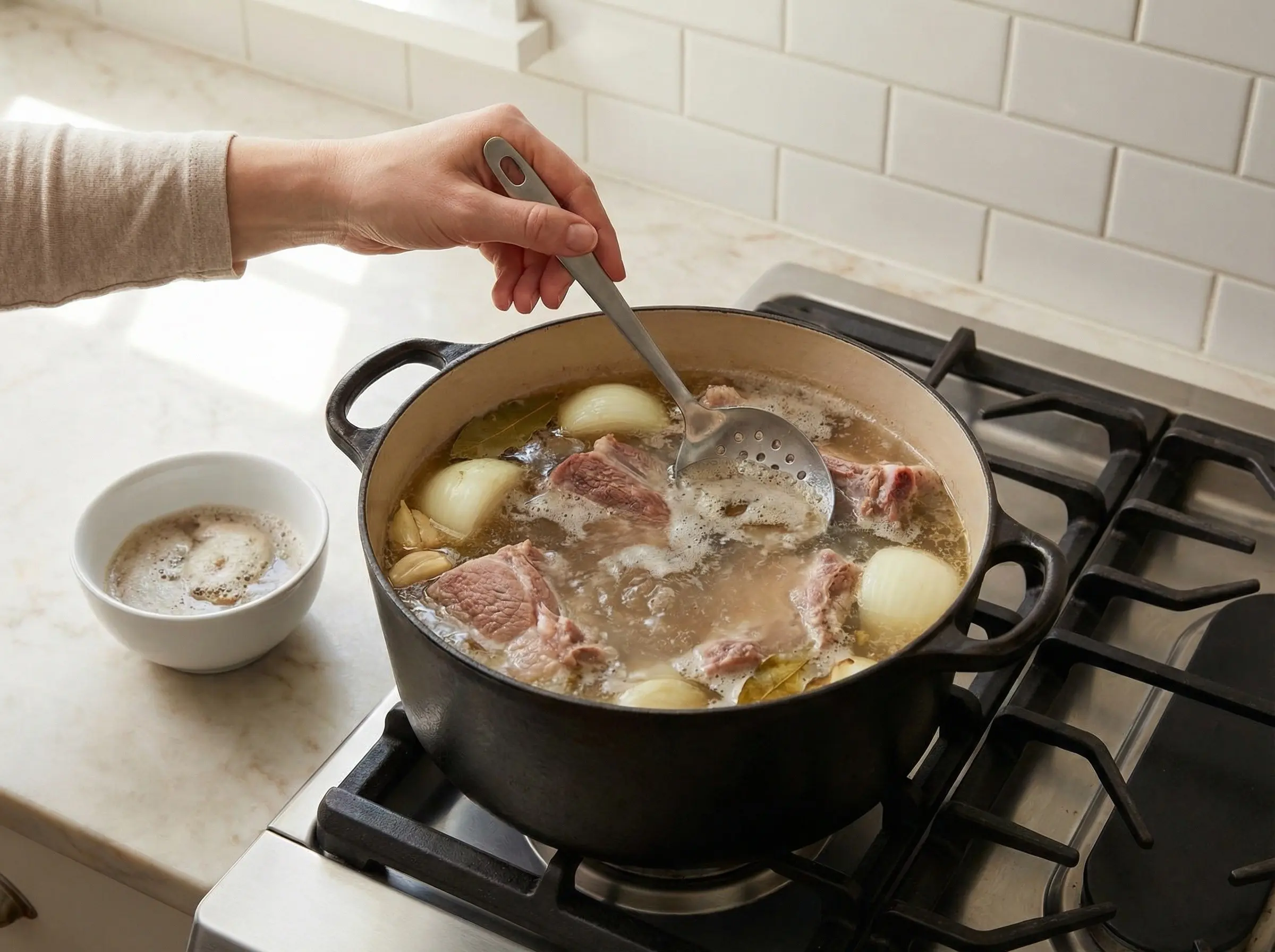
Cook the pork. Place the pork shoulder chunks and neck bones in a large stockpot or Dutch oven. Add the quartered onion, 4 of the garlic cloves, bay leaves, and 1 tablespoon salt. Cover with the water and bring to a boil over high heat. Skim off any foam that rises to the surface - this creates a cleaner, clearer broth. Reduce heat to low, cover partially, and simmer gently for 1.5 to 2 hours until the pork is completely tender and shreds easily with a fork. The neck bones add body and richness to the broth.
Step 2
While the pork simmers, prepare the chile sauce. Remove the stems and seeds from the guajillo and ancho chiles - the seeds add bitterness, so remove them thoroughly. Toast the chiles in a dry skillet over medium heat for 1-2 minutes per side until fragrant and slightly puffed. Do not burn them or the sauce will be bitter. Place the toasted chiles in a bowl and cover with very hot water. Let soak for 20-30 minutes until completely soft and pliable.
Step 3
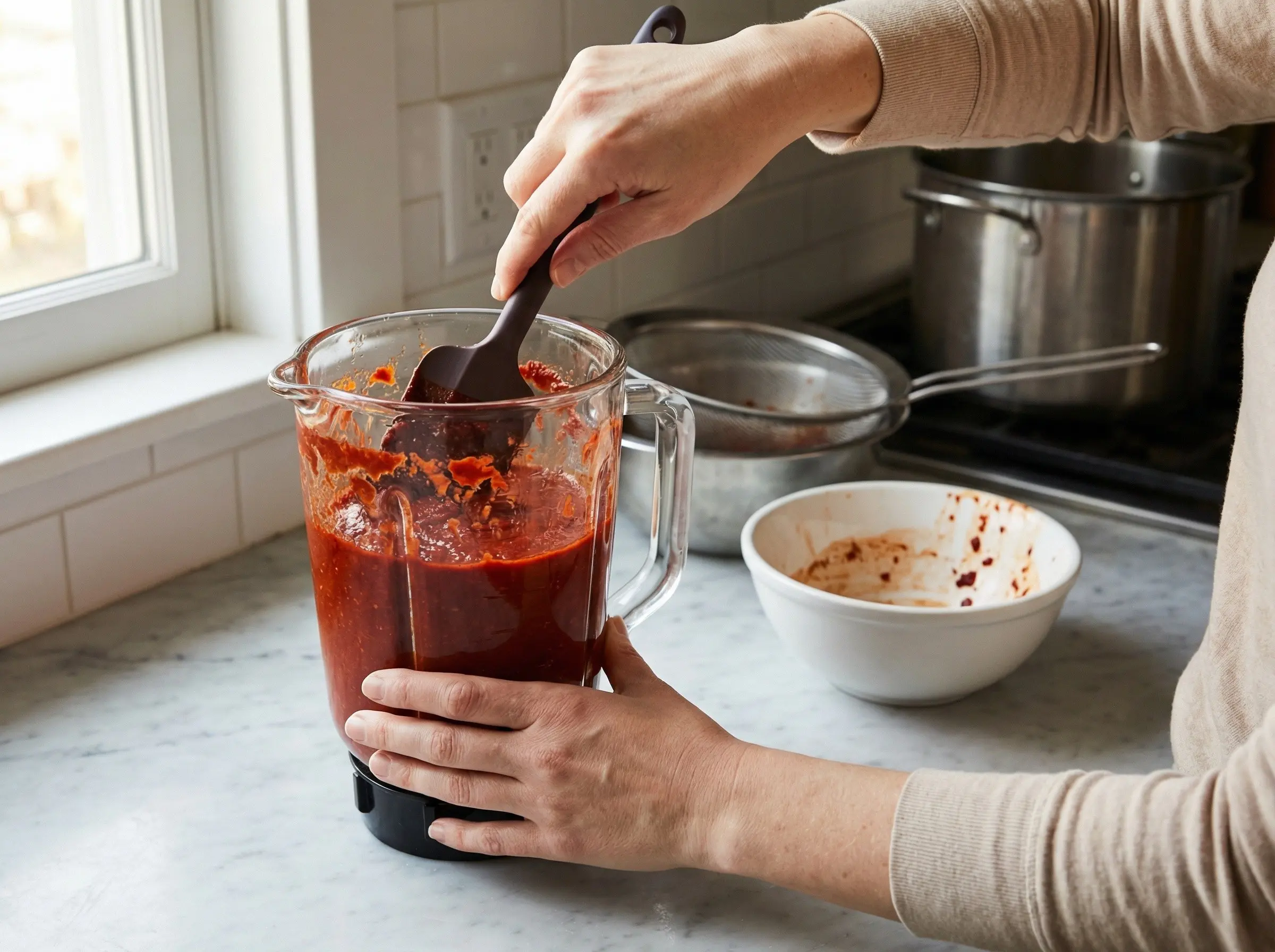
Make the chile puree. Drain the soaked chiles, reserving 1 cup of the soaking liquid. Transfer the chiles to a blender along with the remaining 2 raw garlic cloves, oregano, cumin, and about 1/2 cup of the soaking liquid. Blend on high until completely smooth, adding more soaking liquid as needed to achieve a pourable consistency. The puree should be thick but not paste-like. Strain through a fine-mesh sieve into a bowl, pressing with a spatula to extract all the liquid. Discard the solids. This extra step ensures a silky-smooth broth.
Step 4
When the pork is tender, remove the meat and bones from the broth with a slotted spoon. Set the meat aside to cool slightly. Strain the broth through a fine-mesh sieve into a clean pot, discarding the cooked onion, garlic, and bay leaves. You should have about 8 cups of rich pork broth. Skim excess fat from the surface if desired, though some fat adds flavor. Shred the pork into bite-sized pieces, discarding any bones, cartilage, and excess fat. Return the shredded pork to the strained broth.
Step 5
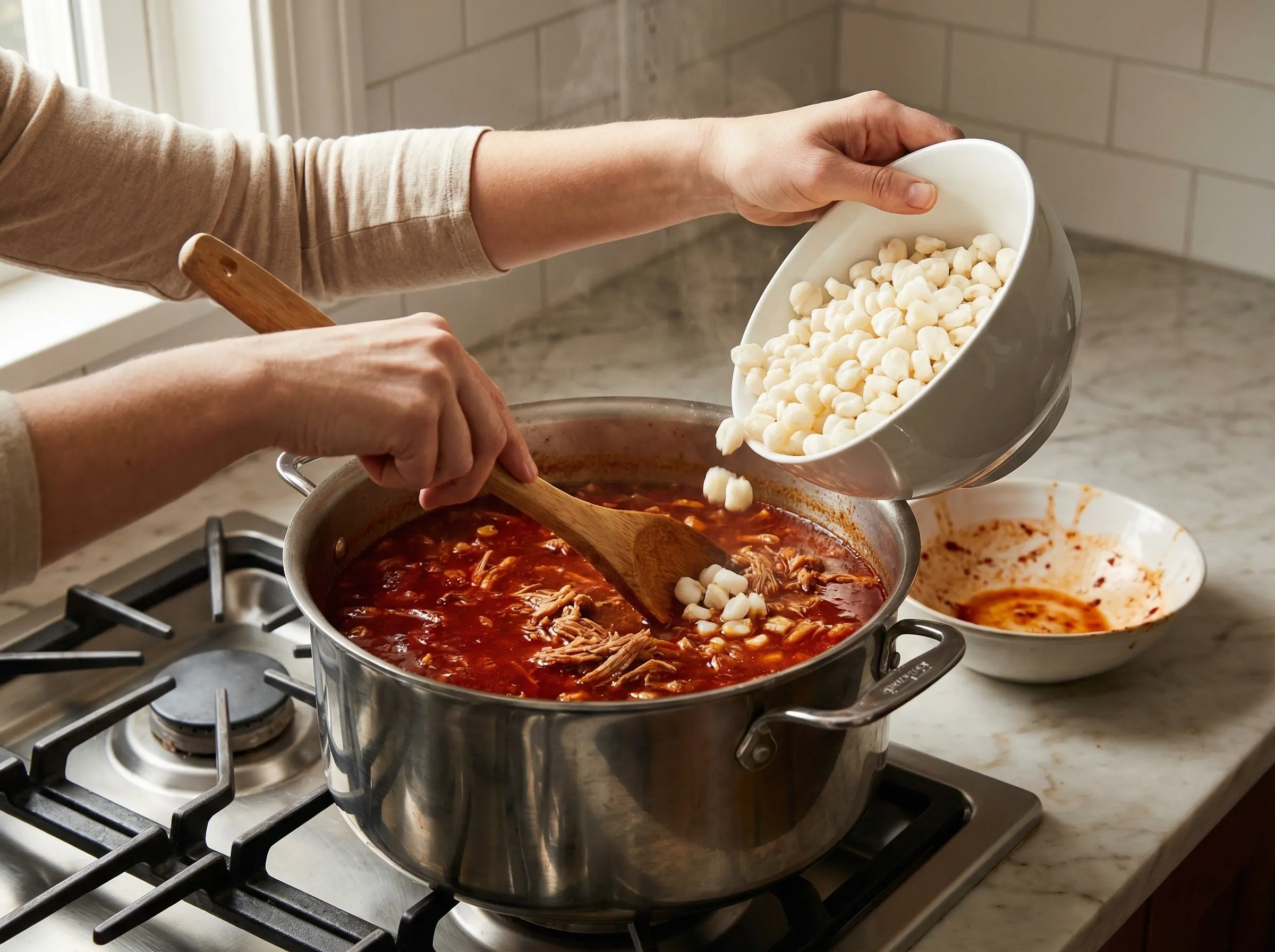
Add the chile puree to the pot with the pork and broth. Stir well to combine - the broth should turn a beautiful deep red color. Add the drained hominy and stir to incorporate. Bring to a simmer over medium heat, then reduce to low and cook for 30-45 minutes, allowing the flavors to meld and the hominy to absorb some of the chile-infused broth. The pozole should be brothier than a stew but heartier than a soup. Taste and adjust seasoning - it will likely need more salt. The flavor should be rich, slightly spicy, and deeply savory.
Step 6
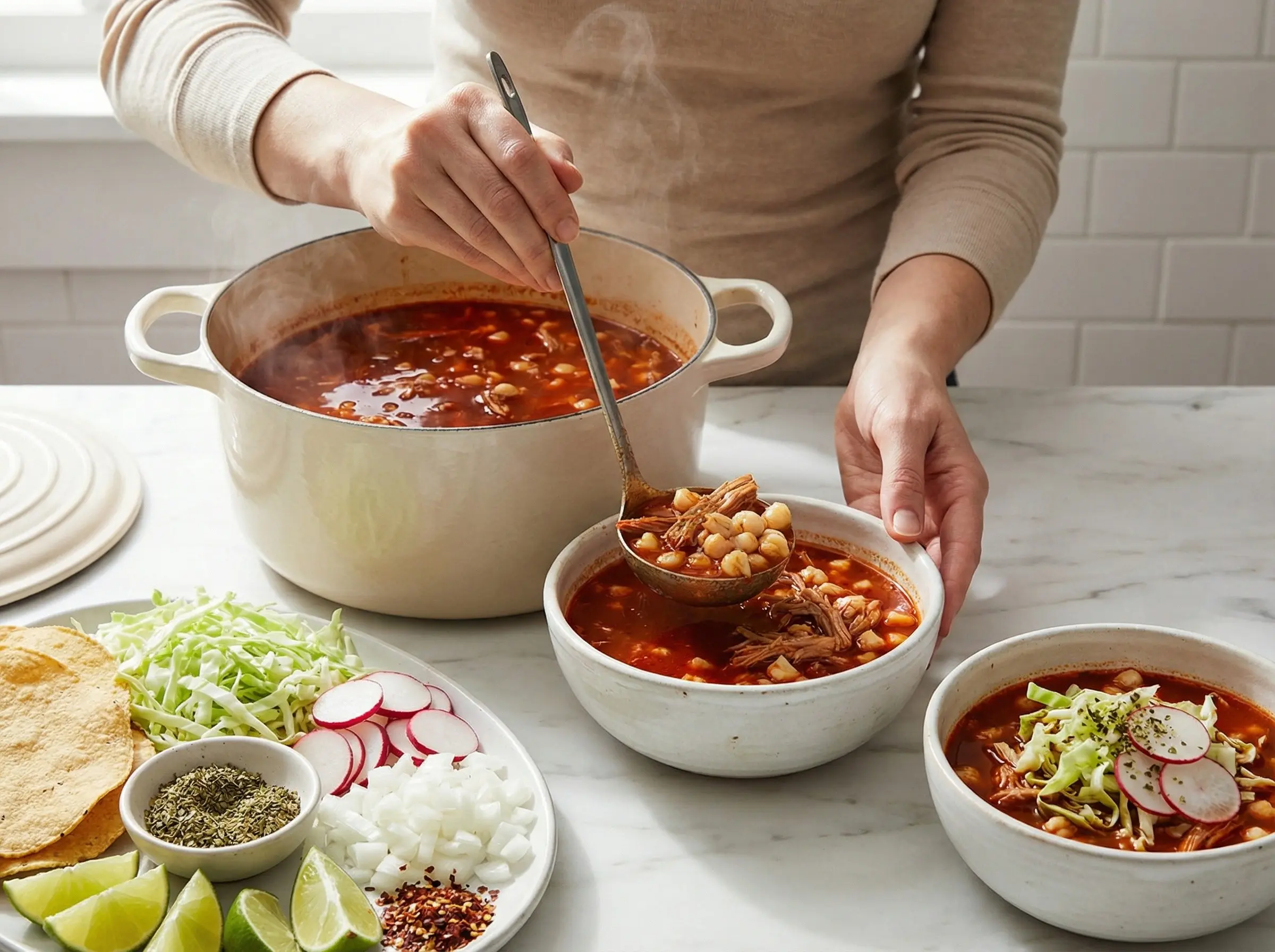
While the pozole finishes cooking, prepare the garnish platter. Arrange on a large platter: finely shredded green cabbage, thinly sliced radishes, diced white onion, dried Mexican oregano in a small bowl, lime wedges, tostadas or tortilla chips, and crushed red chile flakes. These garnishes are essential to the pozole experience - each person customizes their bowl. Ladle the pozole into deep bowls, making sure each serving has plenty of pork, hominy, and broth. Serve immediately with the garnish platter in the center of the table. The traditional way to eat pozole is to add a generous handful of cabbage (it wilts slightly in the hot broth), several radish slices for crunch, diced onion for sharpness, a crumble of oregano, a big squeeze of lime, and as much chile as you can handle. Break tostadas into pieces and float them on top or eat on the side. Pozole tastes even better the next day after the flavors have melded further.
You Might Also Like

Master Your Kitchen with PantryAI
Love this recipe? Save it, shop for it, and cook it with ease. Download the PantryAI app to organize your pantry, track expirations, and discover recipes based on what you already have.

On a computer?Scan with your iPhone camera to download PantryAI.








Swipe to see more screenshots