
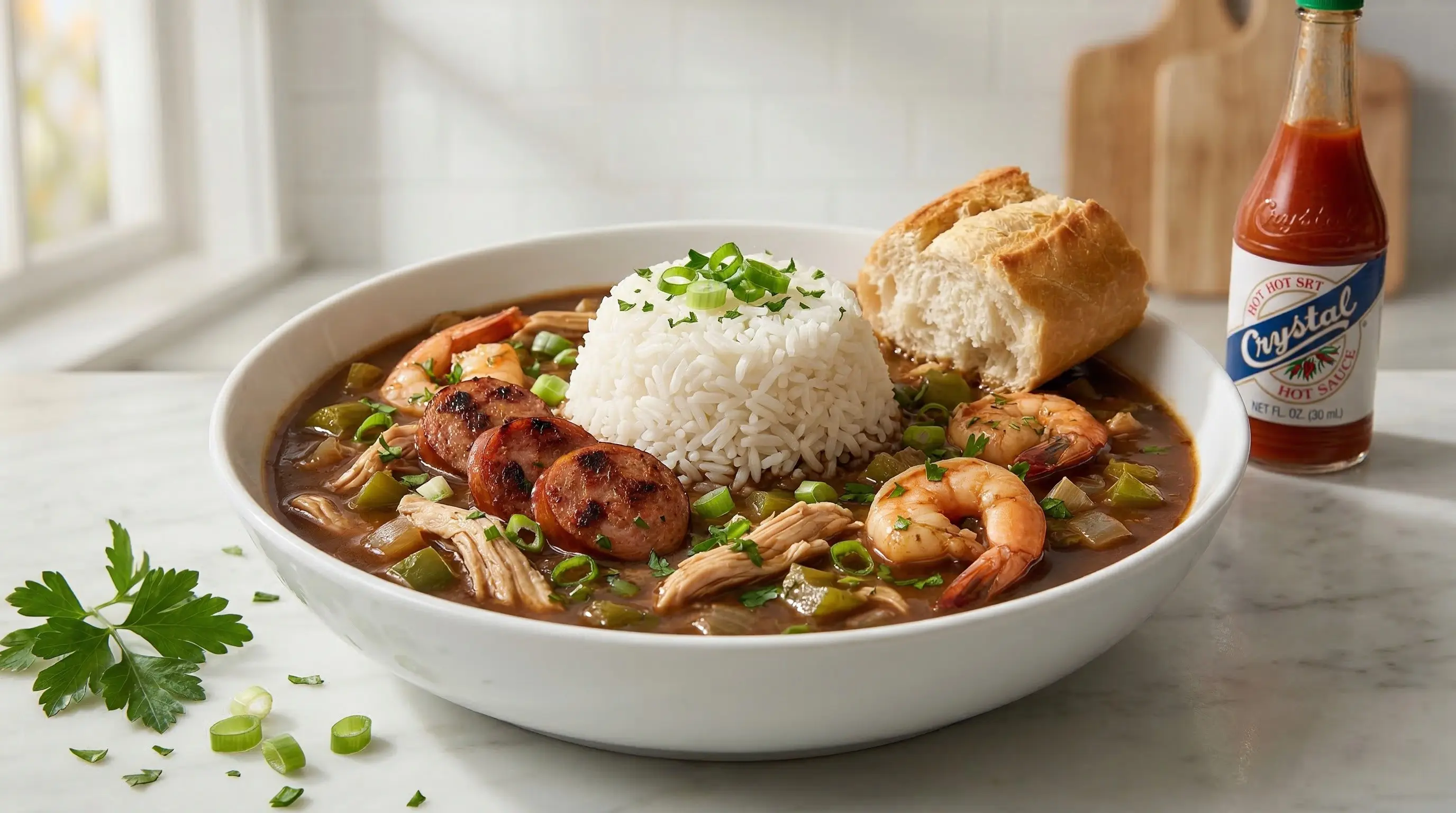
Gumbo
Learn how to make authentic Louisiana gumbo with a dark roux, andouille sausage, chicken, and shrimp. This iconic Cajun-Creole stew is rich, soulful, and the ultimate Southern comfort food!
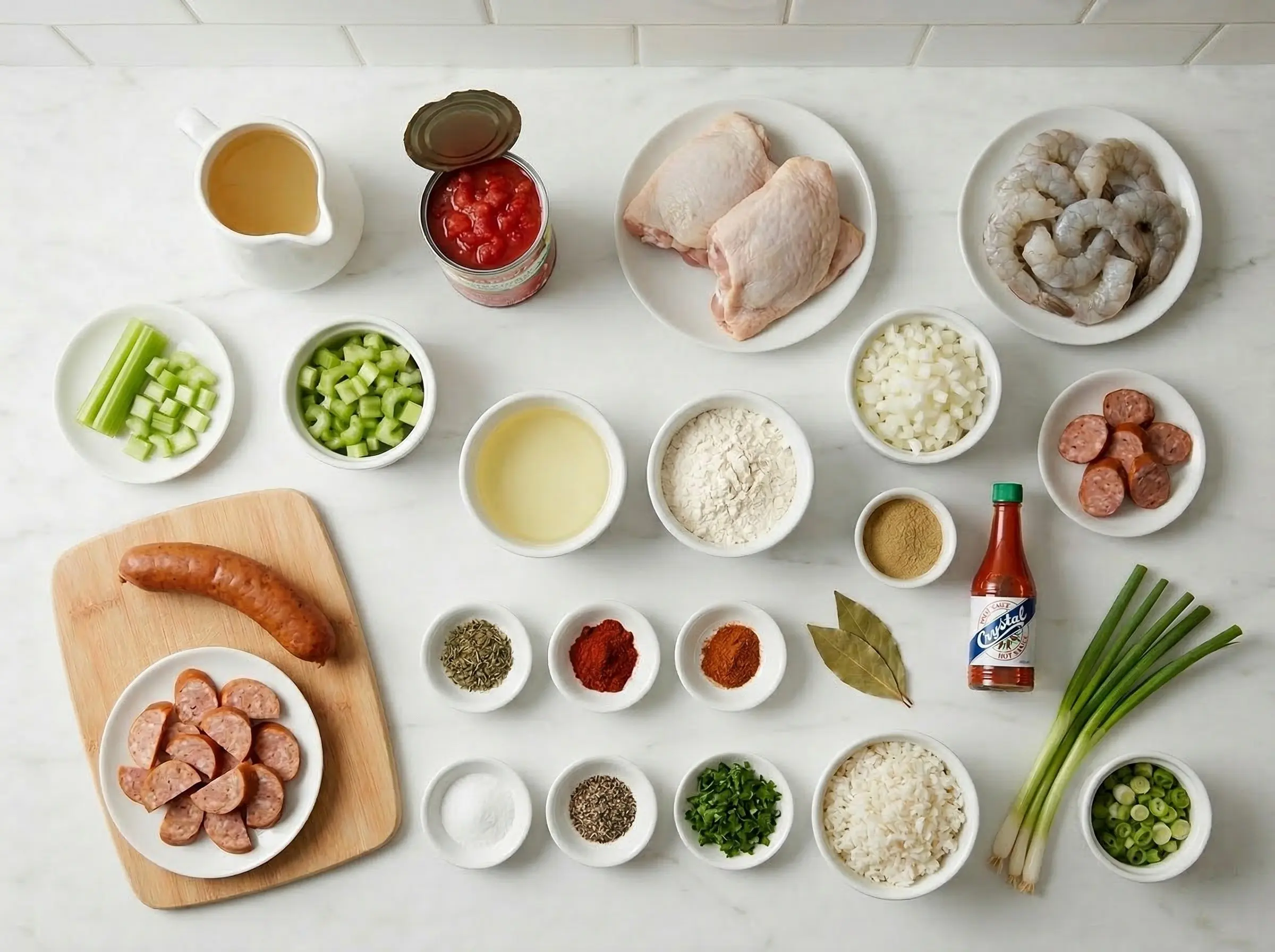
Ingredients
The Story
Gumbo is the culinary soul of Louisiana, a rich and complex stew that represents the cultural melting pot of the region like no other dish. The name itself tells the story - "gumbo" derives from "ki ngombo," the West African word for okra, reflecting the contributions of enslaved Africans who helped shape Louisiana cuisine. But gumbo is not solely African in origin; it is a true creole creation that draws from French, Spanish, West African, Native American, and Caribbean traditions. The French contributed the roux-based thickening technique and the concept of slow-simmered stews. The Spanish brought their love of spiced sausages. West Africans contributed okra and the philosophy of one-pot cooking. The Choctaw people introduced filé powder, ground from dried sassafras leaves. Gumbo exists in countless variations across Louisiana, and debates about the "correct" way to make it can become heated. The two main schools are Creole gumbo and Cajun gumbo. Creole gumbo, associated with New Orleans, often includes tomatoes and tends toward seafood - crab, shrimp, and oysters. Cajun gumbo, from the Acadiana region, typically omits tomatoes and favors chicken, andouille sausage, and wild game. Within these categories exist infinite household variations - some use okra as a thickener, some use filé powder, some use both, and some use a dark roux alone. There is chicken and sausage gumbo, seafood gumbo, gumbo z'herbes (a green gumbo made during Lent), and duck and sausage gumbo. What unites all gumbos is the dark roux, the holy trinity of onion, celery, and bell pepper, and the slow building of layers of flavor. What makes gumbo so extraordinary is the alchemy of the dark roux, a process that transforms simple flour and oil into something magical through patience and constant attention. Unlike French roux which is cooked briefly, Louisiana roux is toasted slowly until it reaches the color of dark chocolate, developing complex, nutty, almost smoky flavors that form the backbone of the dish. Building on this foundation, the holy trinity provides aromatic depth, the andouille contributes smoky spice, the chicken adds body, and the shrimp bring sweetness from the sea. Served over fluffy white rice in deep bowls, with a bottle of hot sauce nearby, gumbo is warmth and community and centuries of history in every spoonful. It is the dish served at family reunions and Mardi Gras celebrations, at jazz funerals and crawfish boils, wherever Louisiana people gather.
Instructions
Step 1
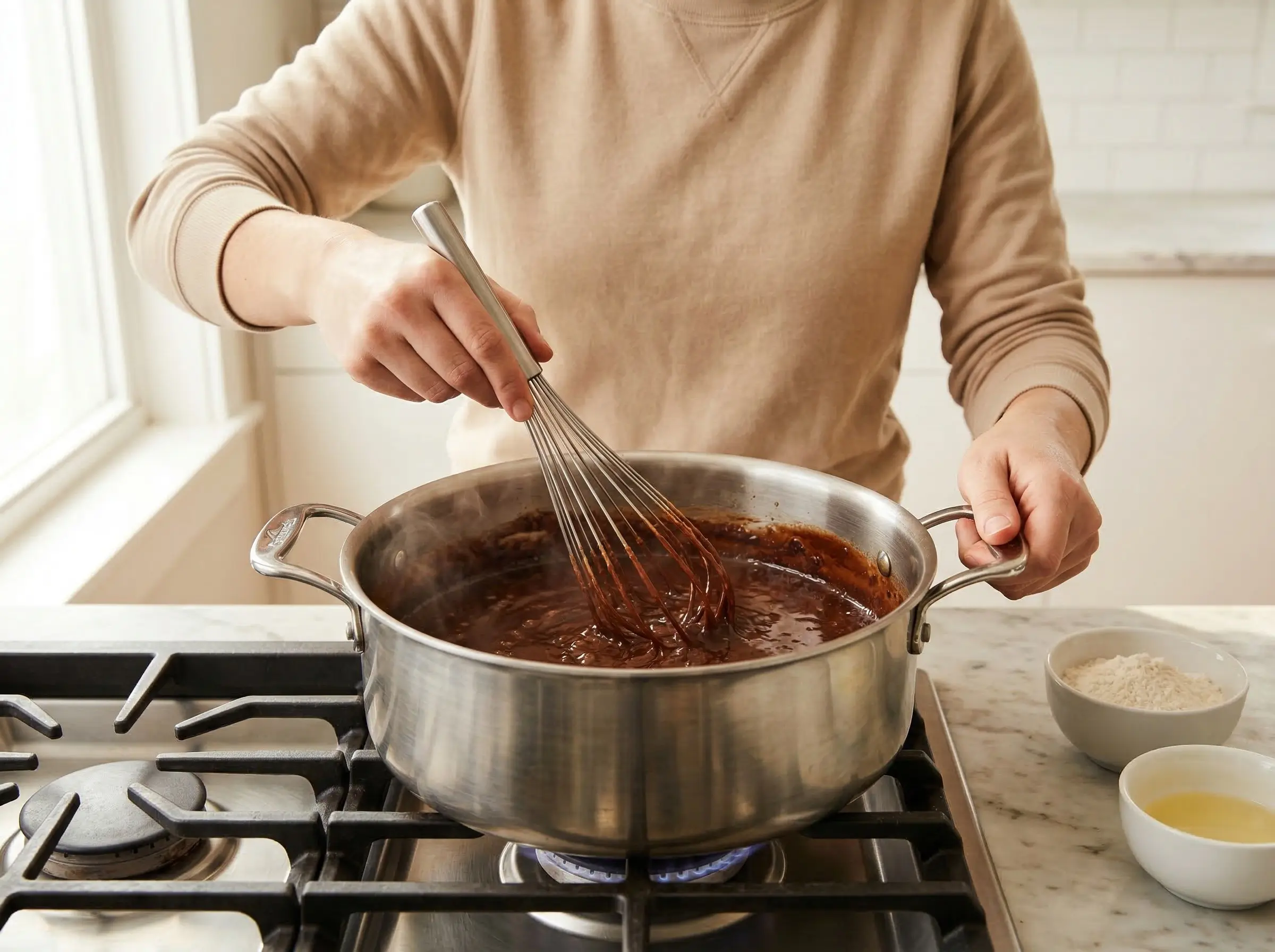
Make the roux - this is the soul of gumbo and cannot be rushed. In a large, heavy-bottomed Dutch oven or cast iron pot, heat the oil over medium heat. When shimmering, whisk in the flour until smooth. Now begins the patient work: cook the roux, whisking or stirring constantly, for 30-45 minutes. The roux will progress through stages - white, blonde, peanut butter, and finally dark chocolate. You must stir constantly to prevent burning - even a few seconds of neglect can create black specks that will ruin the gumbo with a bitter taste. The finished roux should be the color of dark chocolate or red brick and smell deeply nutty, almost like coffee. If you see black flecks or smell burning, discard and start over.
Step 2
Add the holy trinity. As soon as the roux reaches the desired color, immediately add the diced onion, celery, and bell pepper - they will sizzle dramatically and stop the roux from cooking further. This is called the holy trinity in Louisiana cooking and is the aromatic backbone of countless dishes. Stir constantly for 5-6 minutes until the vegetables are softened and the sizzling subsides. Add the garlic and cook for 1 minute until fragrant. The mixture should be deeply aromatic.
Step 3
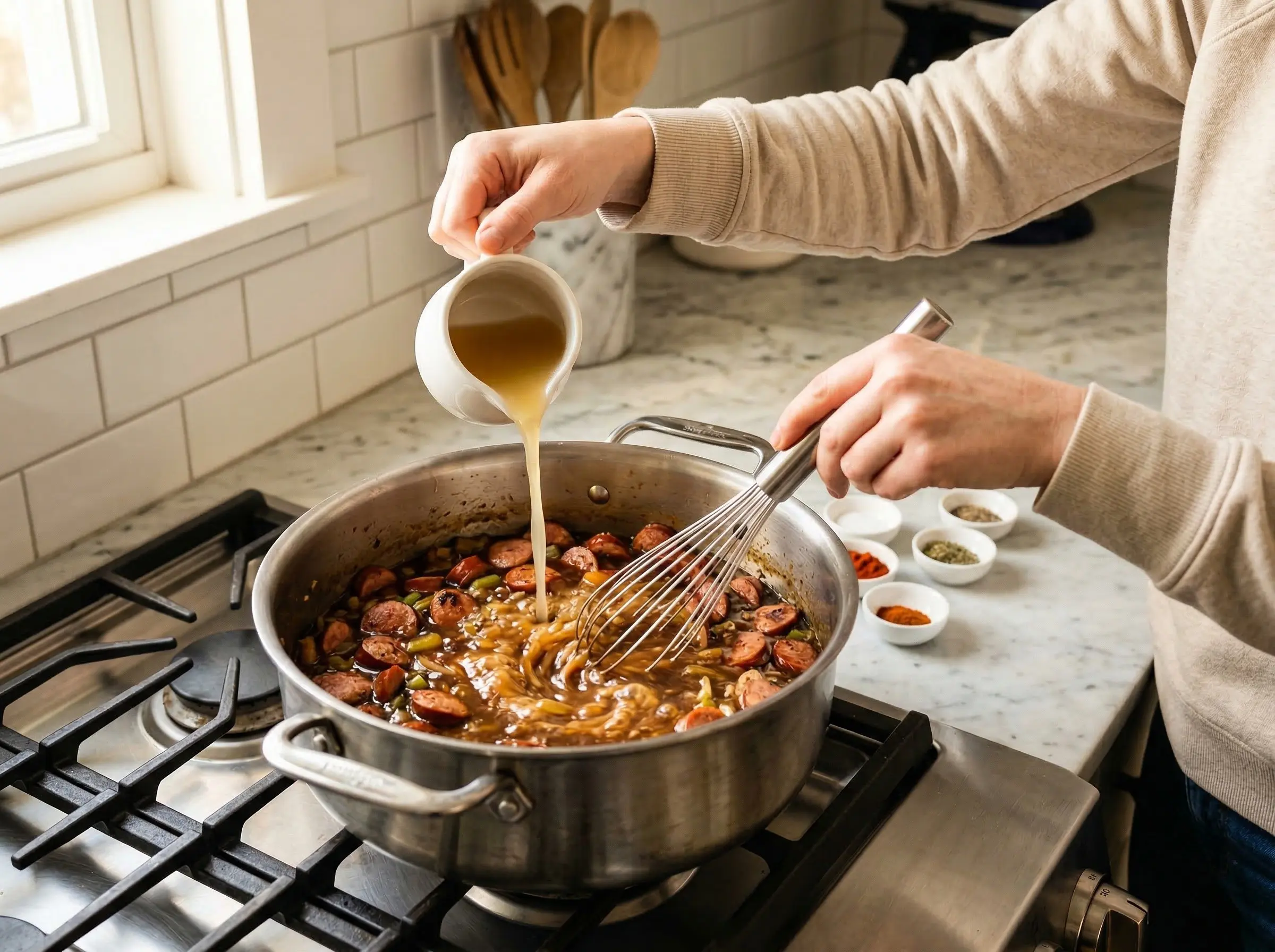
Build the stew base. Add the sliced andouille sausage and cook for 3-4 minutes until the edges begin to brown and the sausage releases its smoky fat. Slowly pour in the chicken stock, whisking constantly to incorporate the roux smoothly without lumps. Add the tomatoes if using (this makes it Creole-style; omit for Cajun-style). Add the bay leaves, thyme, smoked paprika, cayenne, salt, and black pepper. Bring to a boil, then reduce to a gentle simmer.
Step 4
Cook the chicken. Nestle the bone-in chicken thighs into the simmering gumbo. The bones and skin add tremendous flavor and body to the stew. Cover partially and simmer for 35-40 minutes until the chicken is cooked through and tender. Remove the chicken to a cutting board. When cool enough to handle, shred the meat, discarding the skin and bones. Return the shredded chicken to the pot.
Step 5
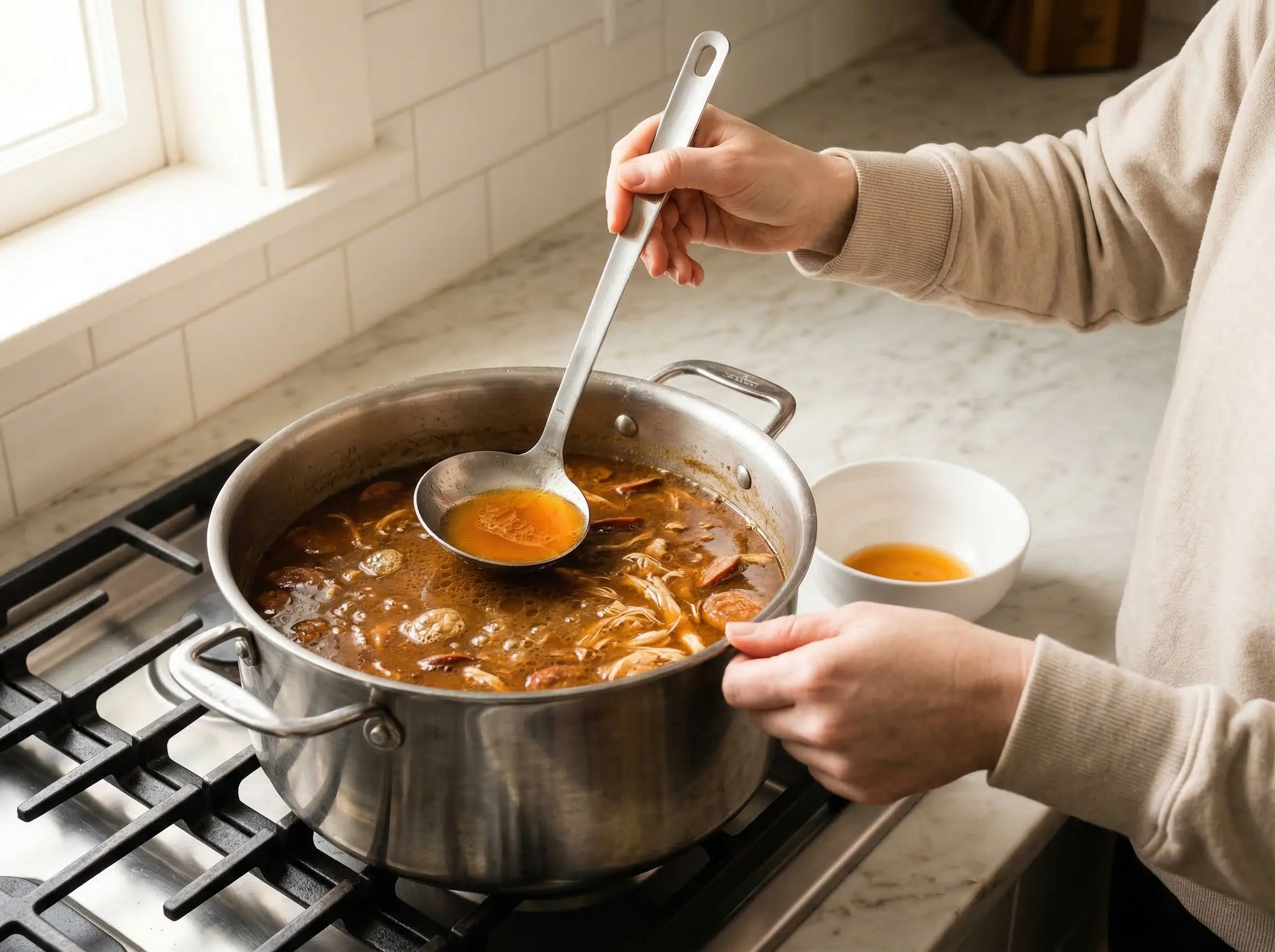
Simmer and develop flavors. Continue simmering the gumbo uncovered for another 20-30 minutes to allow the flavors to meld and the broth to thicken slightly. Skim any excess fat that rises to the surface. The gumbo should be thick enough to coat a spoon but still pourable - it will thicken further as it cools. Taste and adjust seasoning - gumbo should be well-seasoned and have a subtle heat that builds.
Step 6
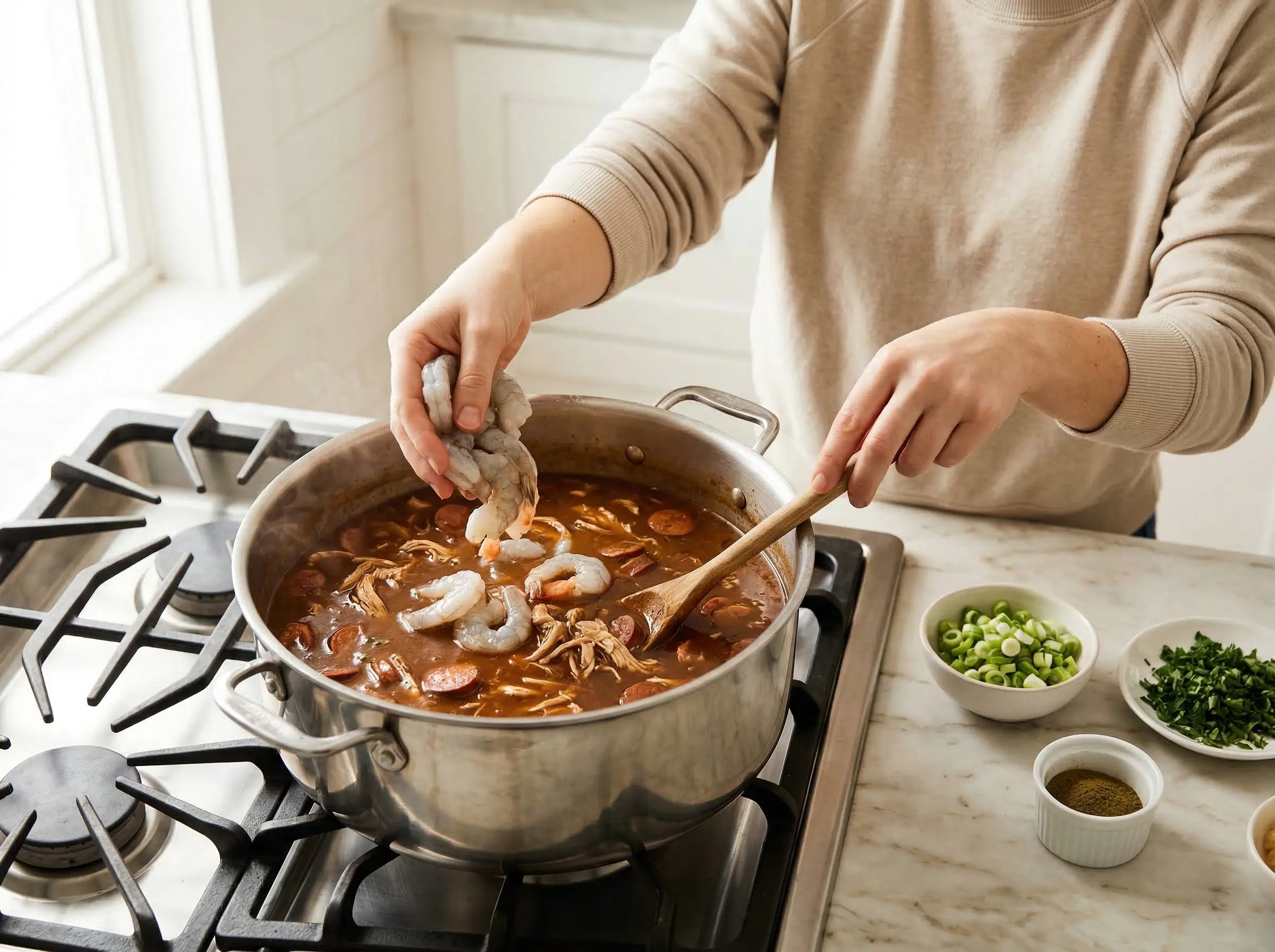
Add the shrimp and finish. Add the shrimp to the pot and cook for 3-5 minutes until pink and just cooked through - do not overcook or they will become rubbery. Remove from heat. If using filé powder, stir it in now - never add filé to boiling liquid or it will become stringy. Stir in half the sliced green onions and parsley. Let the gumbo rest for 10-15 minutes before serving - like most stews, gumbo improves as it sits. To serve, mound fluffy white rice in deep bowls and ladle the gumbo over and around the rice. Garnish with remaining green onions and parsley. Serve with hot sauce (Crystal or Louisiana are traditional) and crusty French bread for dipping. Gumbo tastes even better the next day as the flavors continue to develop. Store refrigerated for up to 4 days; reheat gently and add the shrimp fresh if possible.
You Might Also Like
Master Your Kitchen with PantryAI
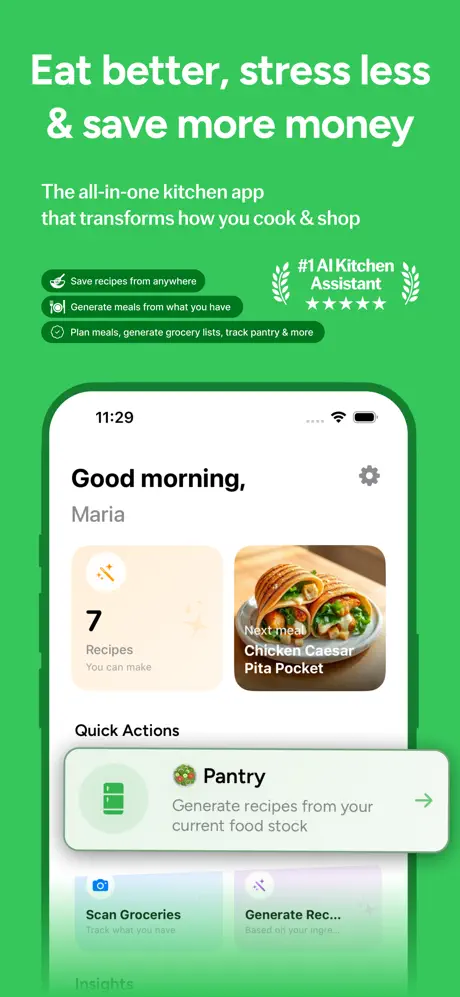
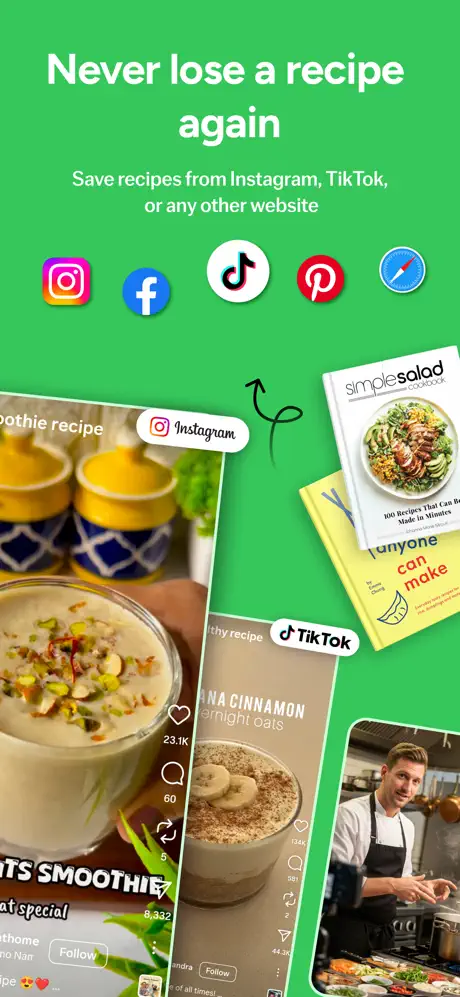
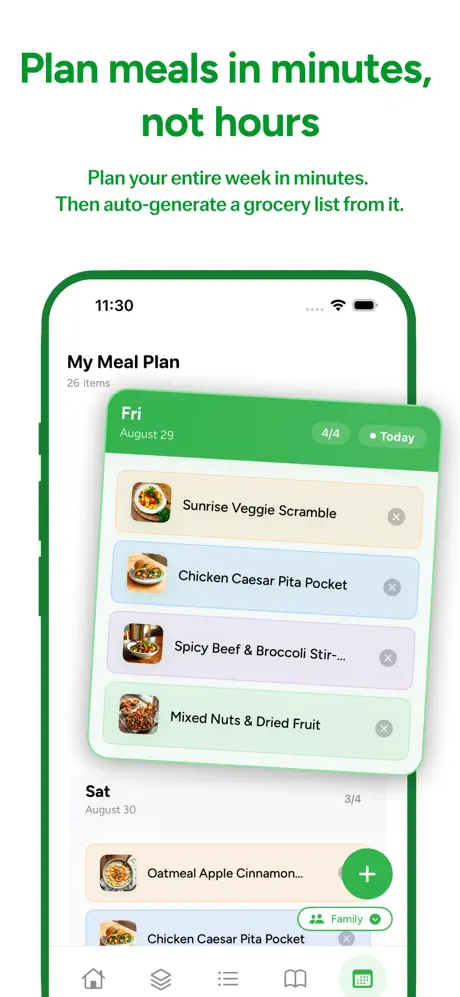
Love this recipe? Save it, shop for it, and cook it with ease. Download the PantryAI app to organize your pantry, track expirations, and discover recipes based on what you already have.

On a computer?Scan with your iPhone camera to download PantryAI.





Swipe to see more screenshots