
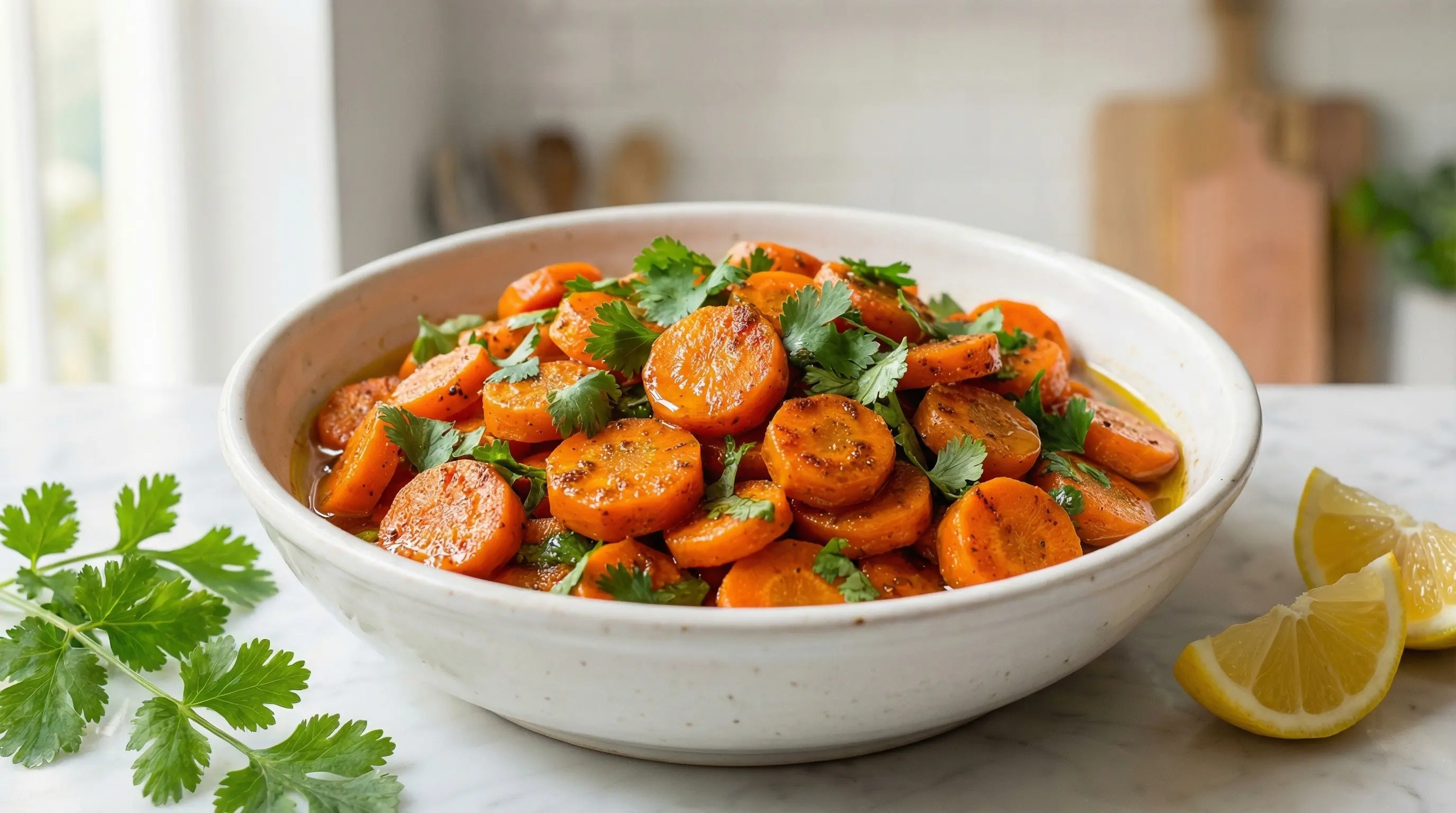
Moroccan Carrot Salad
Learn how to make vibrant Moroccan carrot salad with warm spices, fresh herbs, and a bright lemon dressing. This colorful, healthy side dish is ready in 15 minutes!
Ingredients
The Story
Carrot salad appears in various forms across many culinary traditions, but the Moroccan version stands out for its distinctive blend of sweet, savory, and aromatic flavors. In Morocco, salads (known as salata) are an essential component of nearly every meal, served as part of a mezze-style spread before the main course. These salads are typically cooked rather than raw, a tradition that emerged partly from practical concerns about food safety in a hot climate and partly from culinary preference for the deeper flavors that cooking develops. Moroccan carrot salad, or carottes à la chermoula when dressed with the famous herb and spice paste, has been a staple of Moroccan cuisine for generations. The Moroccan approach to carrot salad reflects the country's rich culinary heritage, which has been shaped by Berber, Arab, Moorish, Mediterranean, and French influences over centuries. The use of warm spices like cumin and paprika comes from the ancient spice trade routes that passed through Morocco. Fresh herbs, particularly cilantro and parsley, are fundamental to Moroccan cooking and appear in countless dishes. The practice of combining sweet and savory elements - such as the natural sweetness of carrots with cumin, garlic, and lemon - is characteristic of North African cuisine. This particular balance of flavors can be traced back to medieval Andalusian cuisine, which heavily influenced Moroccan food when Moorish refugees fled Spain in the 15th and 16th centuries. What makes Moroccan carrot salad so appealing is its simplicity combined with bold, complex flavors. The carrots are typically cooked just until tender-crisp, maintaining some texture while becoming more digestible and sweet. The warm spices toast and bloom in olive oil, releasing their essential oils and creating an aromatic base. Fresh lemon juice adds brightness and acidity, while garlic provides pungency, and fresh herbs contribute a green, fresh note. The result is a vibrant, colorful dish that is healthy, flavorful, and incredibly versatile - serving equally well as a side dish, part of a mezze spread, or a light lunch. It represents the Moroccan talent for taking humble vegetables and transforming them into something extraordinary through careful spicing and technique.
Instructions
Step 1
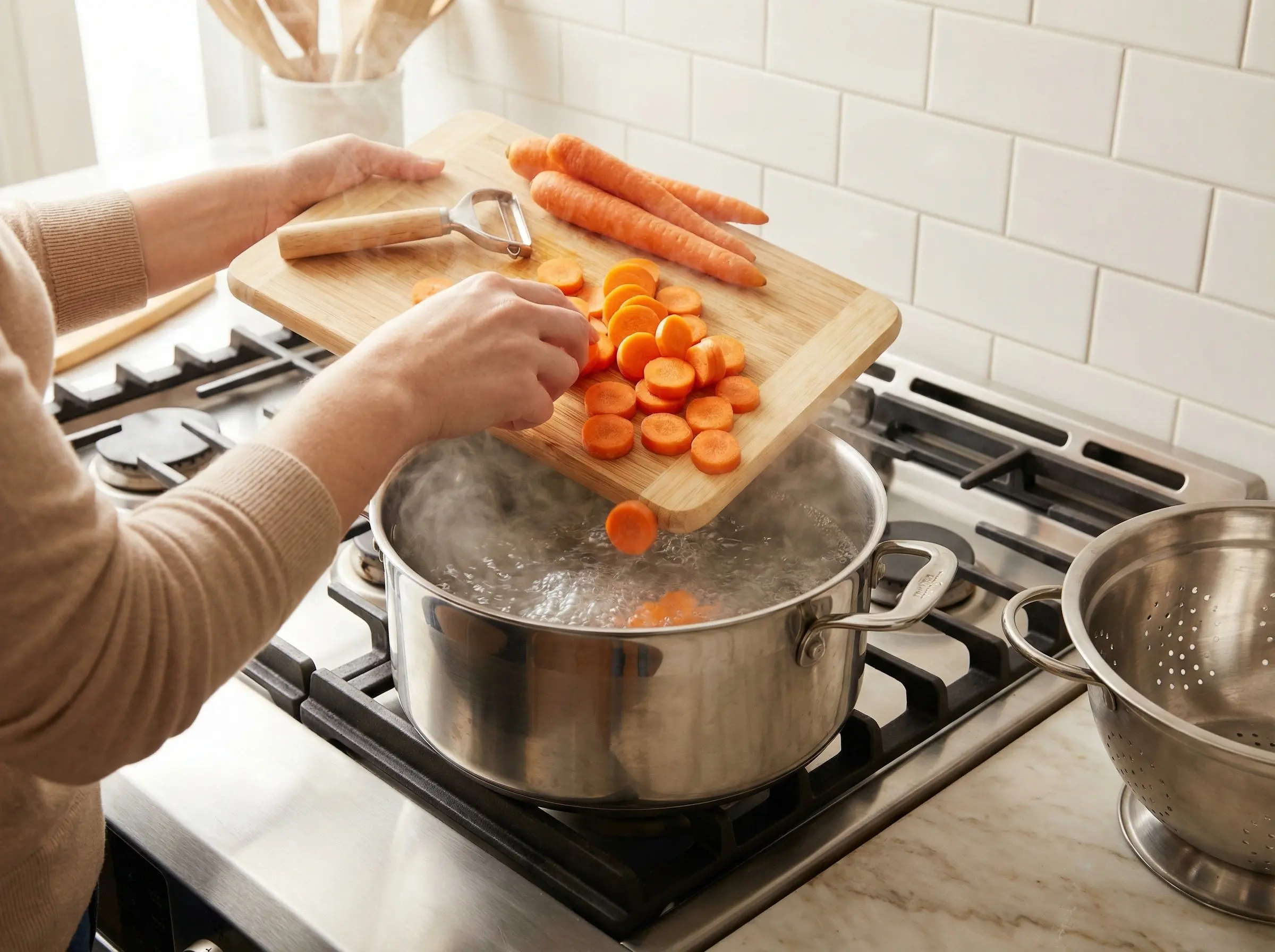
Peel the carrots and slice them into rounds about 1/4 inch thick. Try to keep the slices uniform in thickness so they cook evenly. If your carrots are very thick, you can cut them in half lengthwise first, then slice into half-moons. You want about 3-4 cups of sliced carrots. Bring a large pot of salted water to a boil over high heat. Add the sliced carrots and cook for 8-10 minutes until tender but still with a slight bite - they should not be mushy or falling apart. You want them to be easily pierced with a fork but still maintaining their shape. The carrots will continue to soften slightly as they cool and absorb the dressing. Drain the carrots well in a colander and let them steam dry for a minute or two.
Step 2
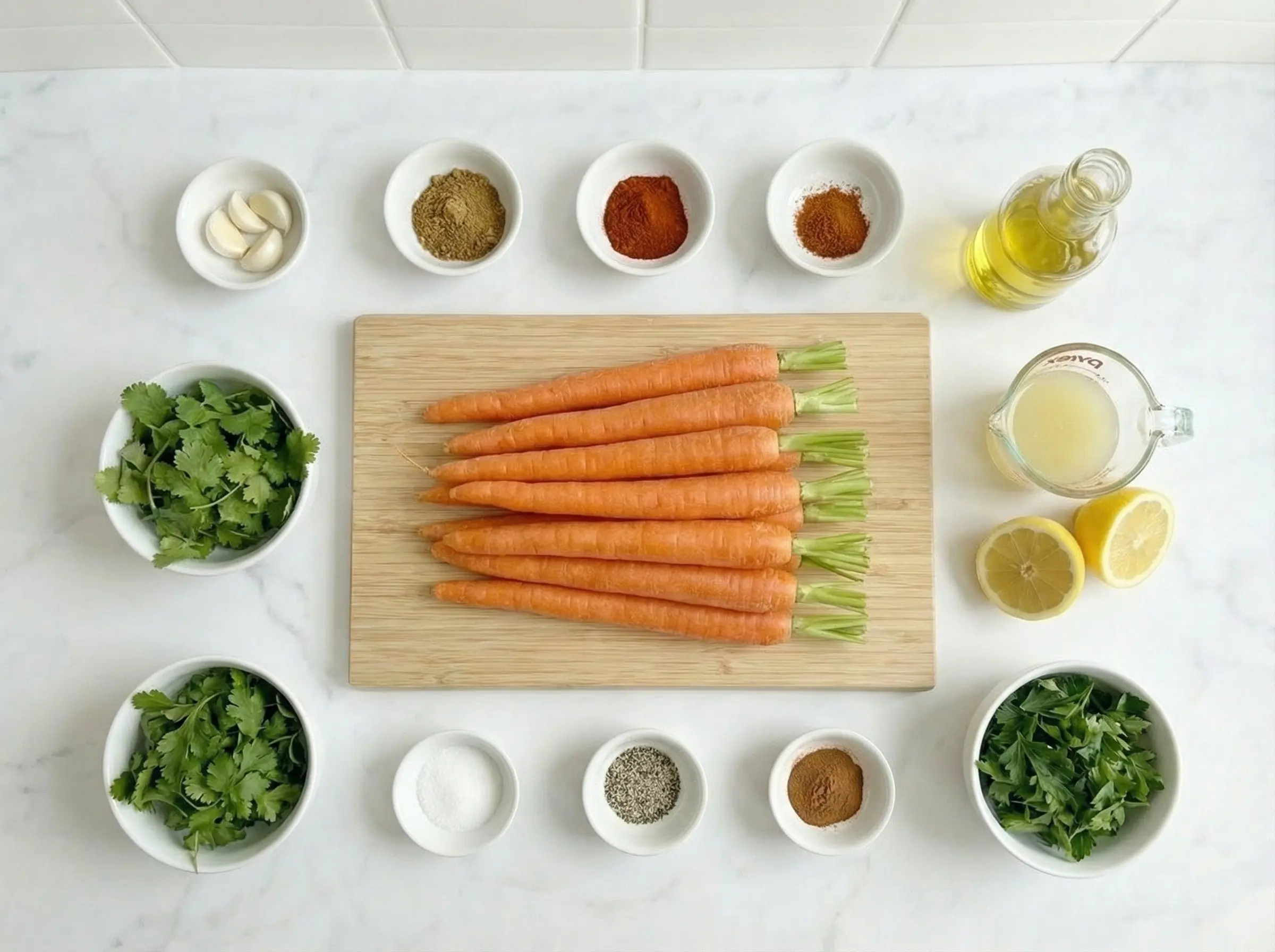
While the carrots are cooking, prepare the spice mixture. In a small bowl, combine the minced garlic, ground cumin, paprika, cayenne pepper, salt, black pepper, and cinnamon if using. Mix these dry spices with the garlic to create a spice paste. This preparation allows the flavors to meld together before being added to the carrots. The combination of cumin and paprika is quintessentially Moroccan and provides earthy, warm, slightly smoky notes. The cayenne adds a gentle heat - adjust the amount to your spice preference.
Step 3
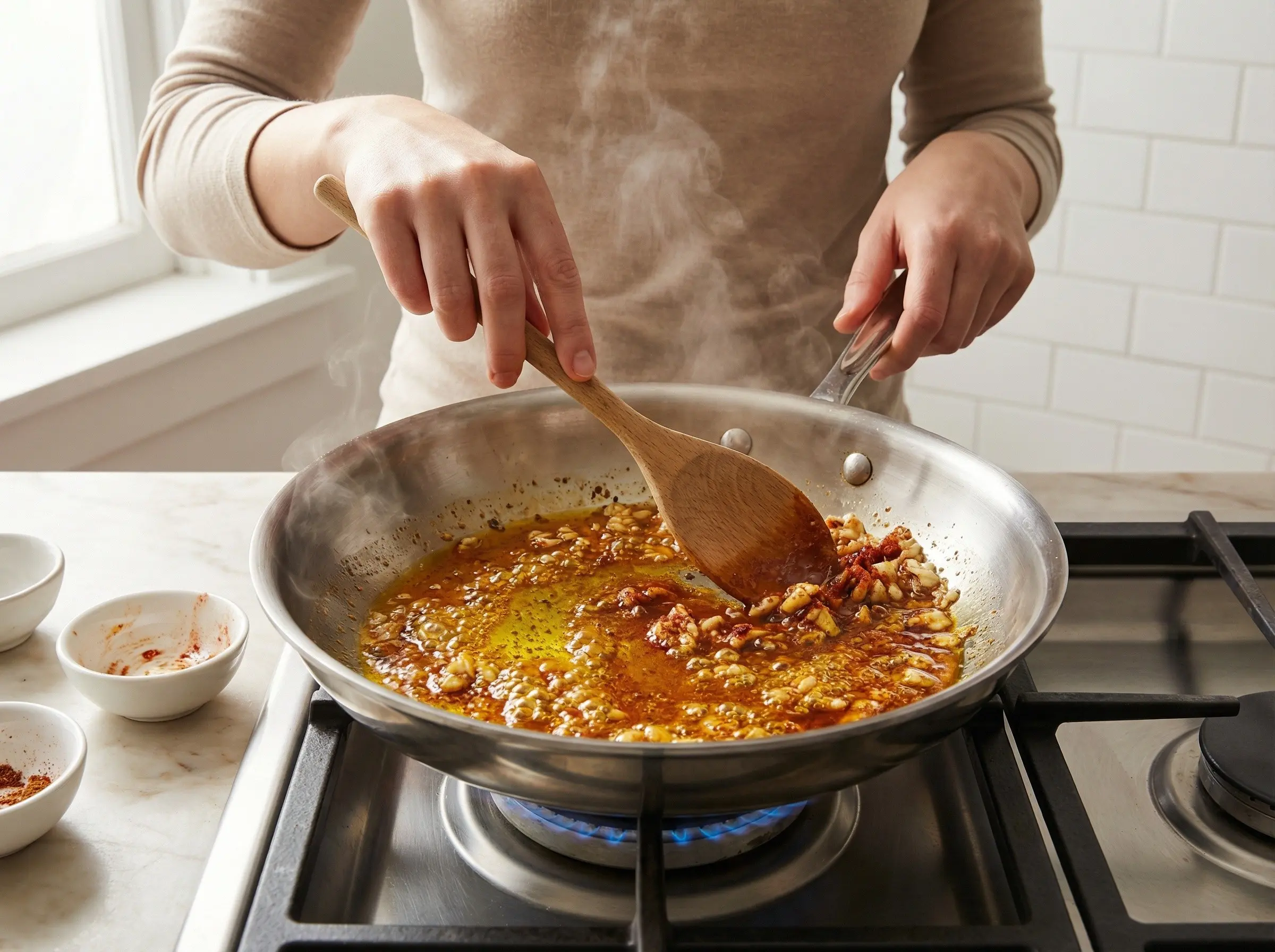
Heat the olive oil in a large skillet over medium heat. Once the oil is warm and shimmering, add the garlic and spice mixture. Cook for about 1 minute, stirring constantly, until the garlic is fragrant and the spices bloom - you will smell the wonderful aromatic scent filling your kitchen. Be careful not to burn the garlic or spices as they can turn bitter. This step of blooming the spices in oil is crucial - it releases their essential oils and creates a more complex, deeper flavor than simply mixing raw spices into the salad. The oil should turn a beautiful reddish-orange color from the paprika.
Step 4
Add the drained, still-warm carrots to the skillet with the spiced oil. Toss the carrots in the spice mixture, stirring to coat every piece evenly. The warm carrots will absorb the flavors beautifully. Cook for another 2-3 minutes, stirring occasionally, allowing the carrots to pick up the flavors of the garlic and spices. The heat helps the carrots absorb the oil and seasonings more effectively. Remove the skillet from heat and transfer the carrots to a serving bowl. The carrots should be glistening with the spiced oil and have a vibrant orange-red color from the paprika.
Step 5
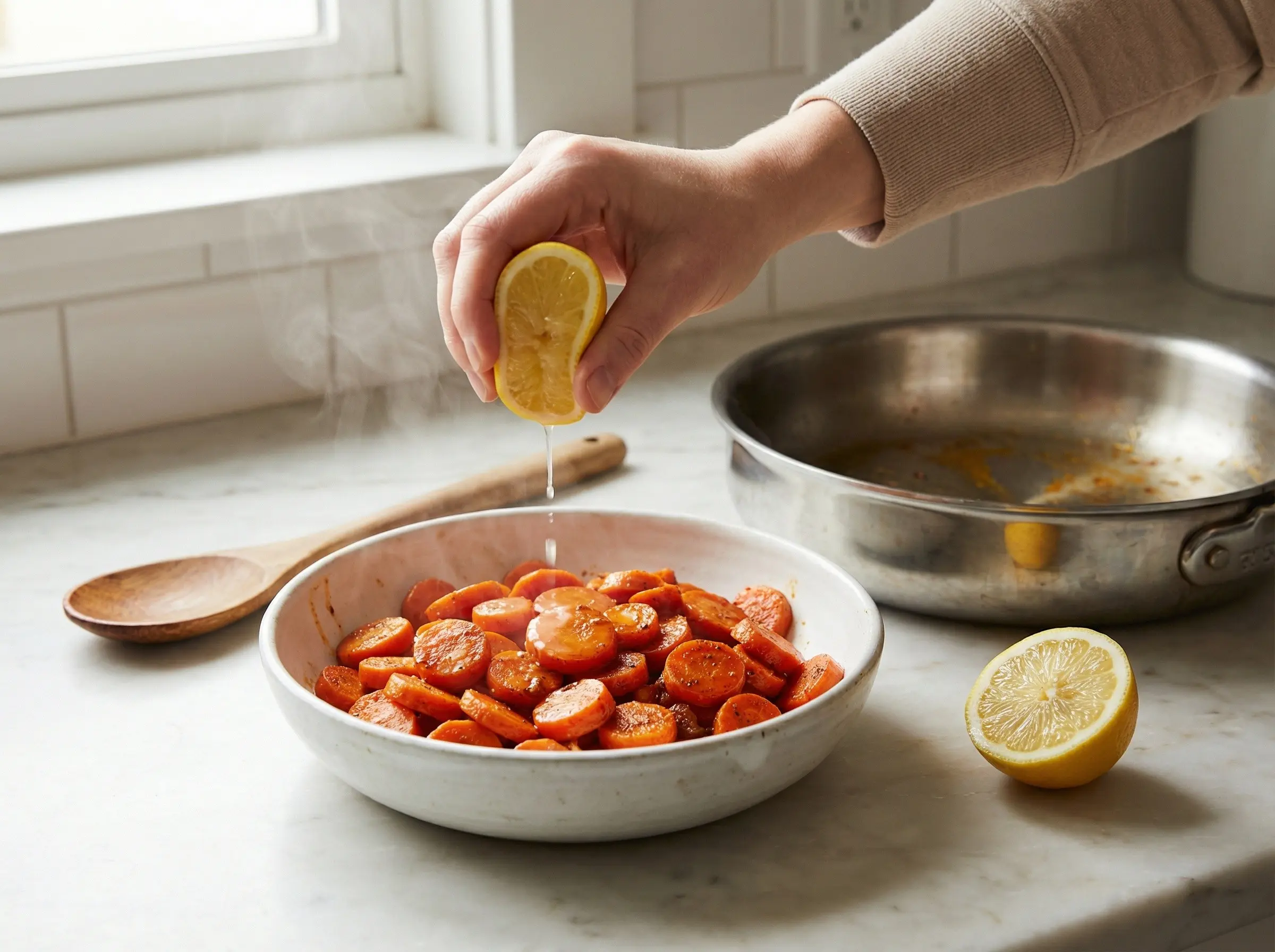
Add the fresh lemon juice to the warm carrots and toss well. The acidity of the lemon brightens all the flavors and balances the richness of the olive oil and the warmth of the spices. Lemon juice is essential to Moroccan carrot salad - it provides that characteristic tangy brightness. Let the carrots cool to room temperature, stirring occasionally. As they cool, they will continue to absorb the dressing. You can serve the salad warm, at room temperature, or chilled - all are delicious. Many people believe the flavor is best at room temperature when all the flavors have had time to meld together.
Step 6
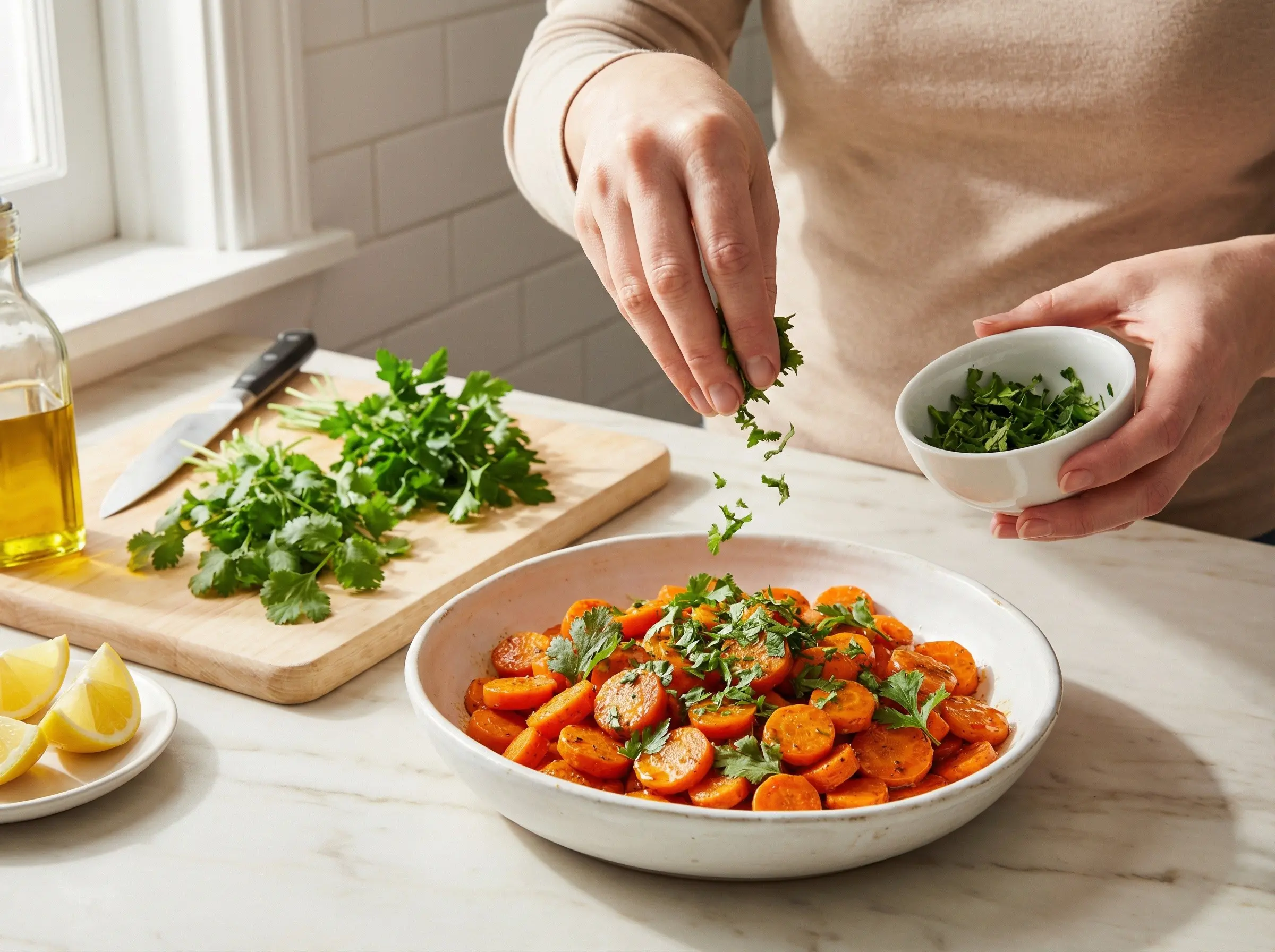
Just before serving, add the chopped fresh cilantro and parsley, tossing to distribute the herbs evenly throughout the salad. The fresh herbs are added at the end to preserve their vibrant color and fresh flavor. The combination of cilantro and parsley is traditional in Moroccan cuisine, providing a bright, herbaceous contrast to the warm spices. Taste and adjust seasoning - you might want more lemon juice for brightness, more salt, or an extra drizzle of olive oil. Transfer to a serving platter or bowl. Moroccan carrot salad can be served as part of a mezze spread with other salads, as a side dish to grilled meats or fish, or alongside couscous or rice. It keeps well in the refrigerator for up to 4 days, making it perfect for meal prep. The flavors actually improve over time as they continue to meld. Bring to room temperature or serve chilled, and always add a fresh drizzle of olive oil before serving.
You Might Also Like
Master Your Kitchen with PantryAI
Love this recipe? Save it, shop for it, and cook it with ease. Download the PantryAI app to organize your pantry, track expirations, and discover recipes based on what you already have.

On a computer?Scan with your iPhone camera to download PantryAI.








Swipe to see more screenshots