
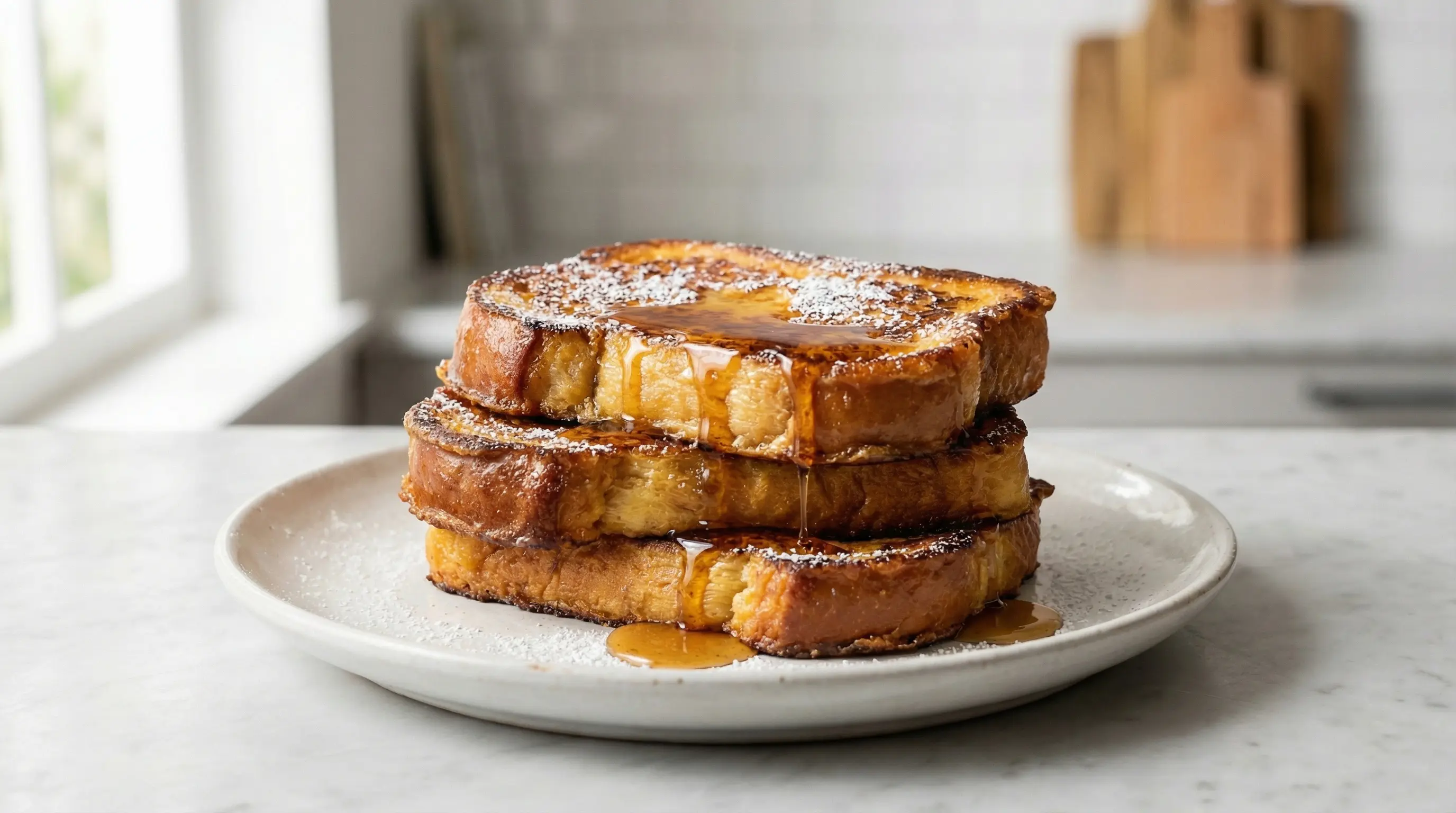
Classic French Toast
Learn how to make perfect French Toast with our easy recipe. Golden, crispy on the outside and custardy inside. Ready in just 15 minutes!
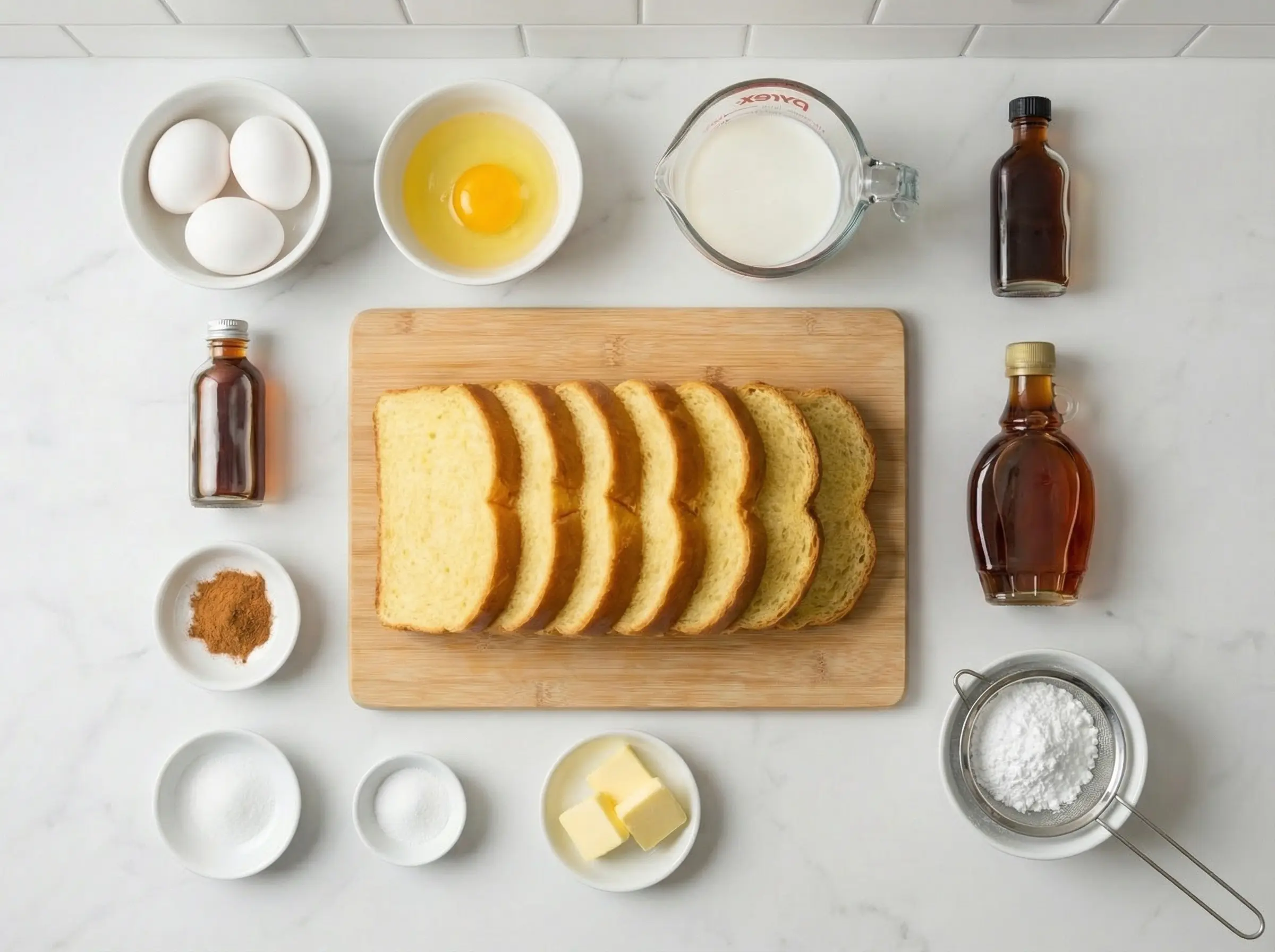
Ingredients
The Story
French Toast, known as "pain perdu" (lost bread) in France, has a history spanning centuries and continents. The concept of reviving stale bread by soaking it in a mixture of eggs and milk dates back to ancient Roman times, where it appeared in the cookbook Apicius under the name "Pan Dulcis." The practical origins of this dish stem from resourcefulness - transforming day-old bread that would otherwise go to waste into a delicious, satisfying meal. Despite its name, French Toast is not exclusively French. Similar preparations exist across cultures: the Spanish have "torrijas," Germans enjoy "arme Ritter" (poor knights), and in Hong Kong, it is served stuffed with peanut butter or kaya jam. The dish gained its "French" moniker in 17th-century England, though some food historians credit an American innkeeper named Joseph French who popularized it in 1724, allegedly forgetting the apostrophe in "French's Toast." What makes French Toast universally beloved is its simplicity and versatility. At its core, it requires only bread, eggs, and milk, yet it can be elevated with vanilla, cinnamon, nutmeg, or citrus zest. The key to perfect French Toast lies in the bread choice - slightly stale, thick-sliced bread like brioche or challah creates the ideal texture: crispy, golden edges with a soft, custardy center. Whether served for breakfast with maple syrup, as a savory brunch dish, or as a comforting dessert, French Toast remains a testament to culinary ingenuity born from necessity.
Instructions
Step 1
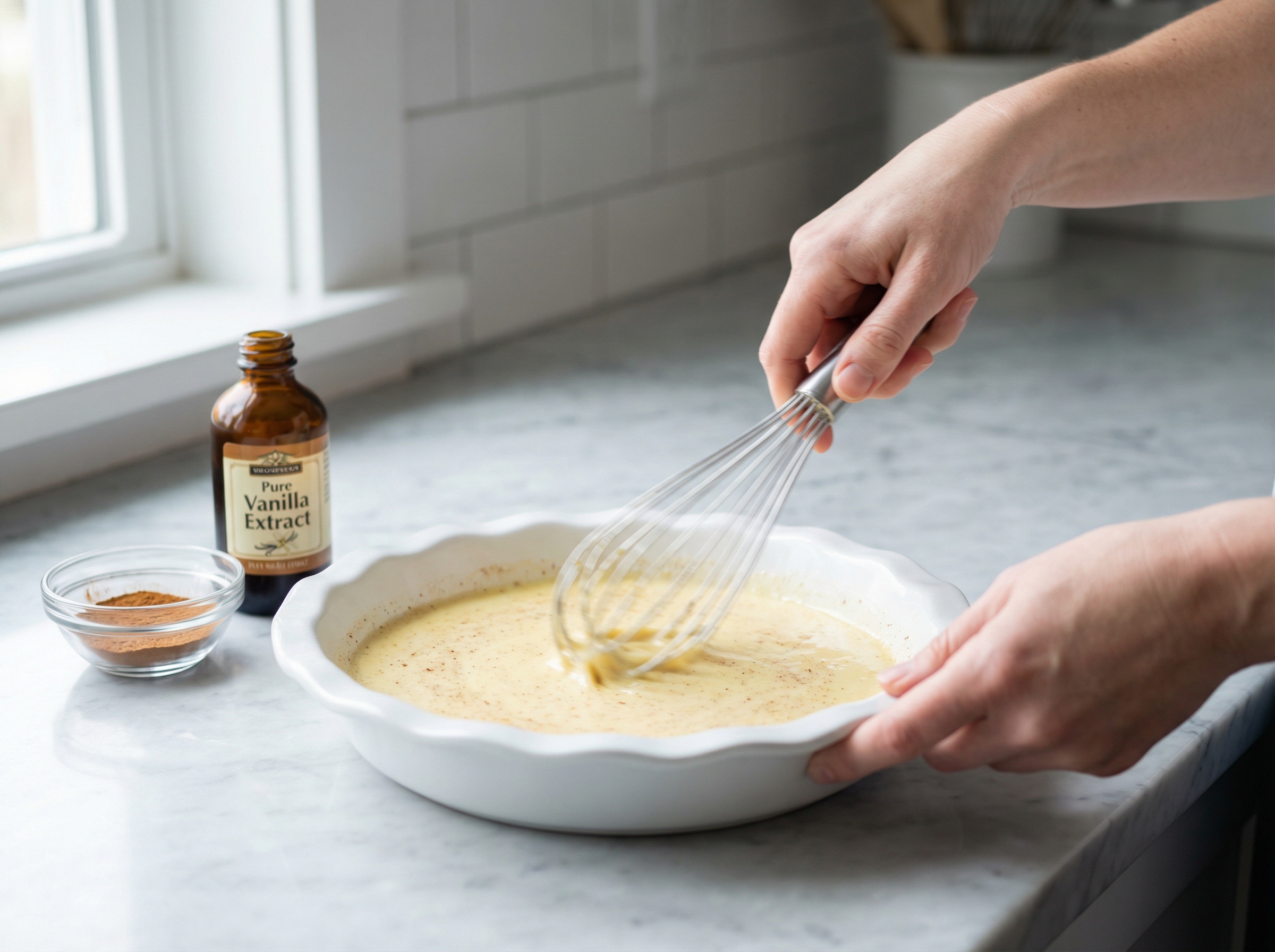
In a shallow bowl or pie dish, whisk together the eggs, milk, vanilla extract, cinnamon, and salt until well combined and smooth. The mixture should be homogeneous with no streaks of egg white visible. This custard base is what gives French Toast its signature flavor and texture.
Step 2
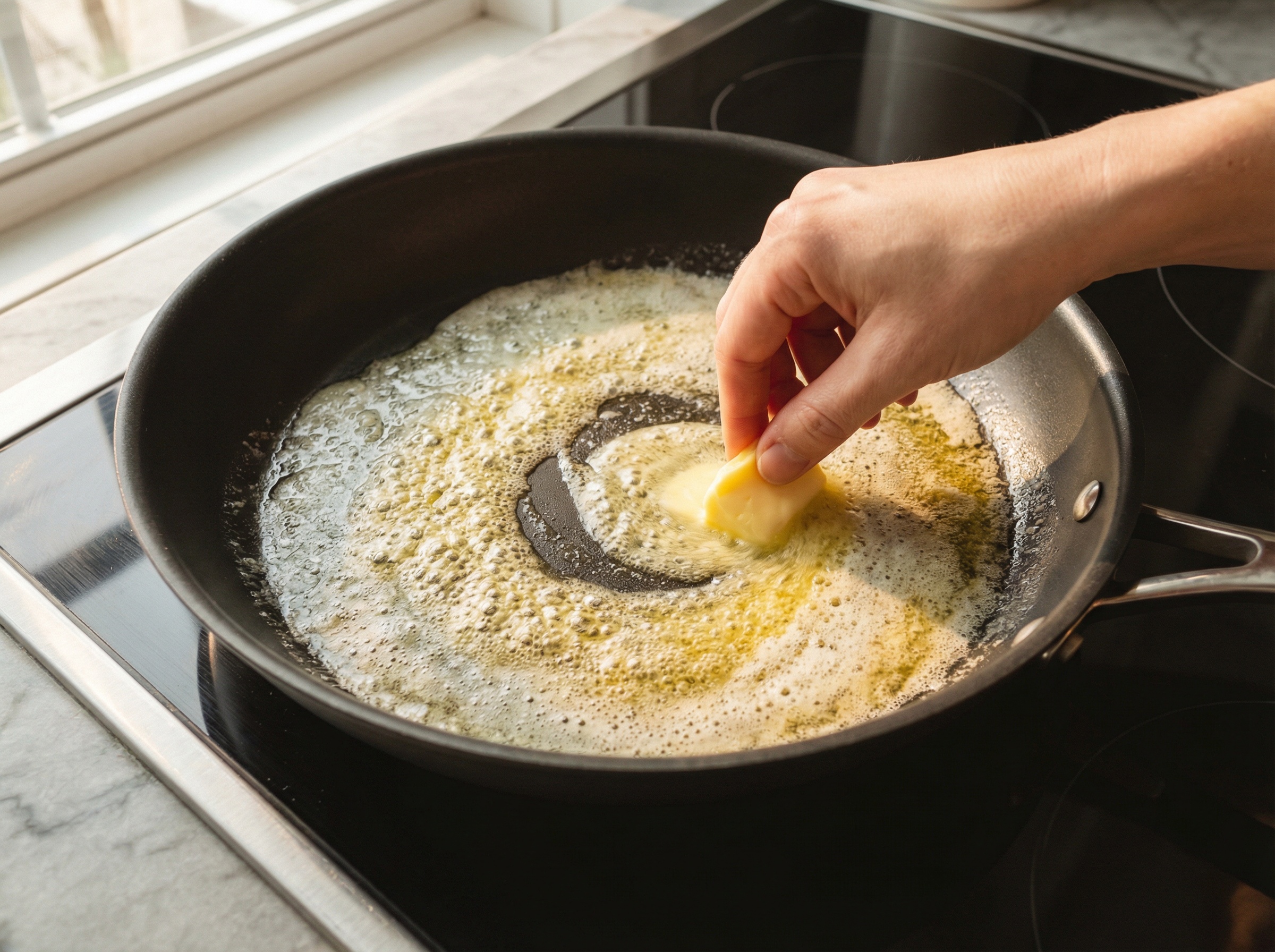
Heat a large non-stick skillet or griddle over medium heat. Add about half a tablespoon of butter and let it melt, swirling to coat the pan evenly. The butter should sizzle gently but not brown immediately - this indicates the perfect temperature.
Step 3
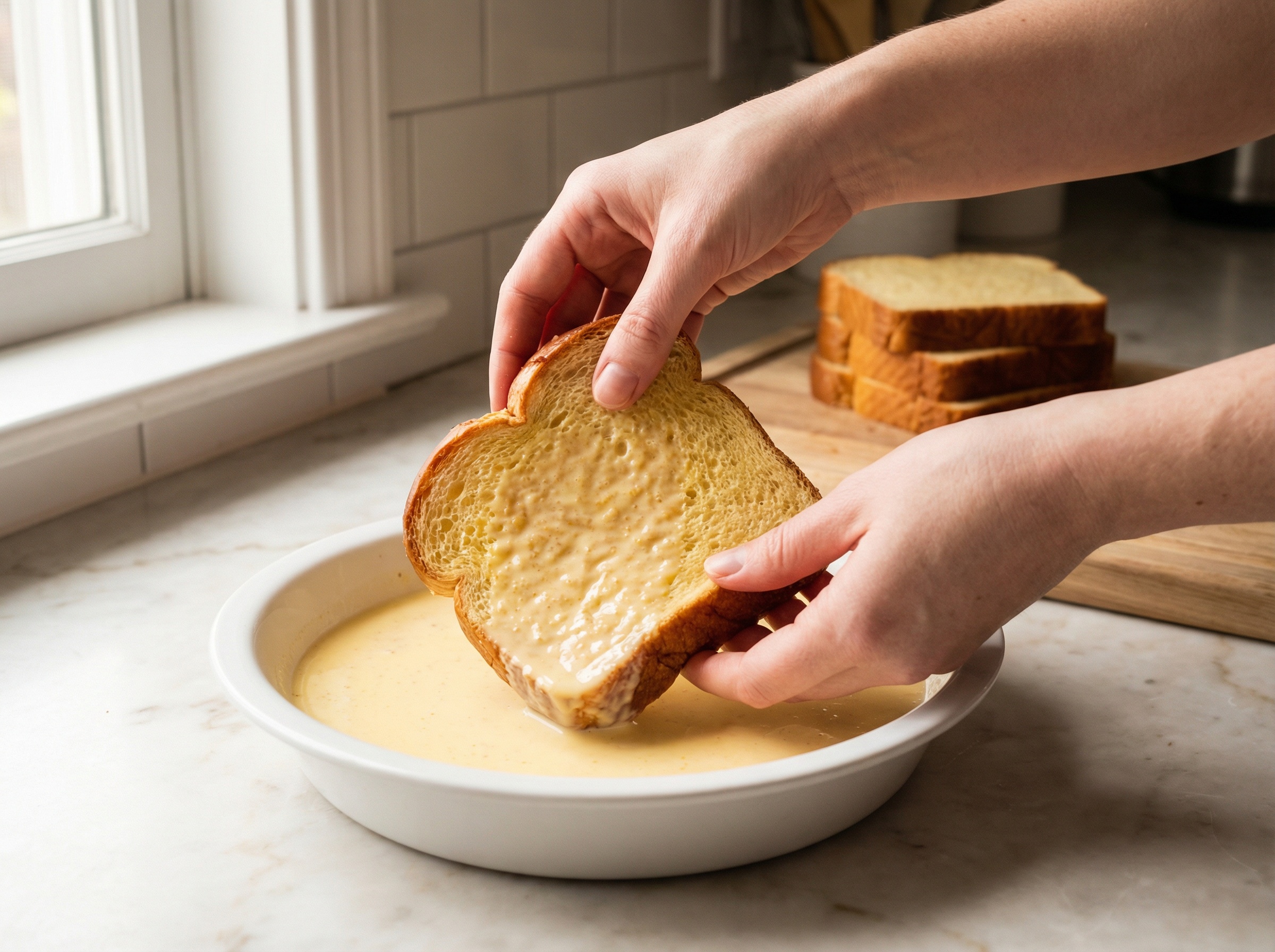
Working with one or two slices at a time, dip each bread slice into the egg mixture. Let it soak for about 3-5 seconds per side - enough to absorb the custard but not so long that the bread falls apart. Thicker bread can handle a longer soak than thinner slices.
Step 4
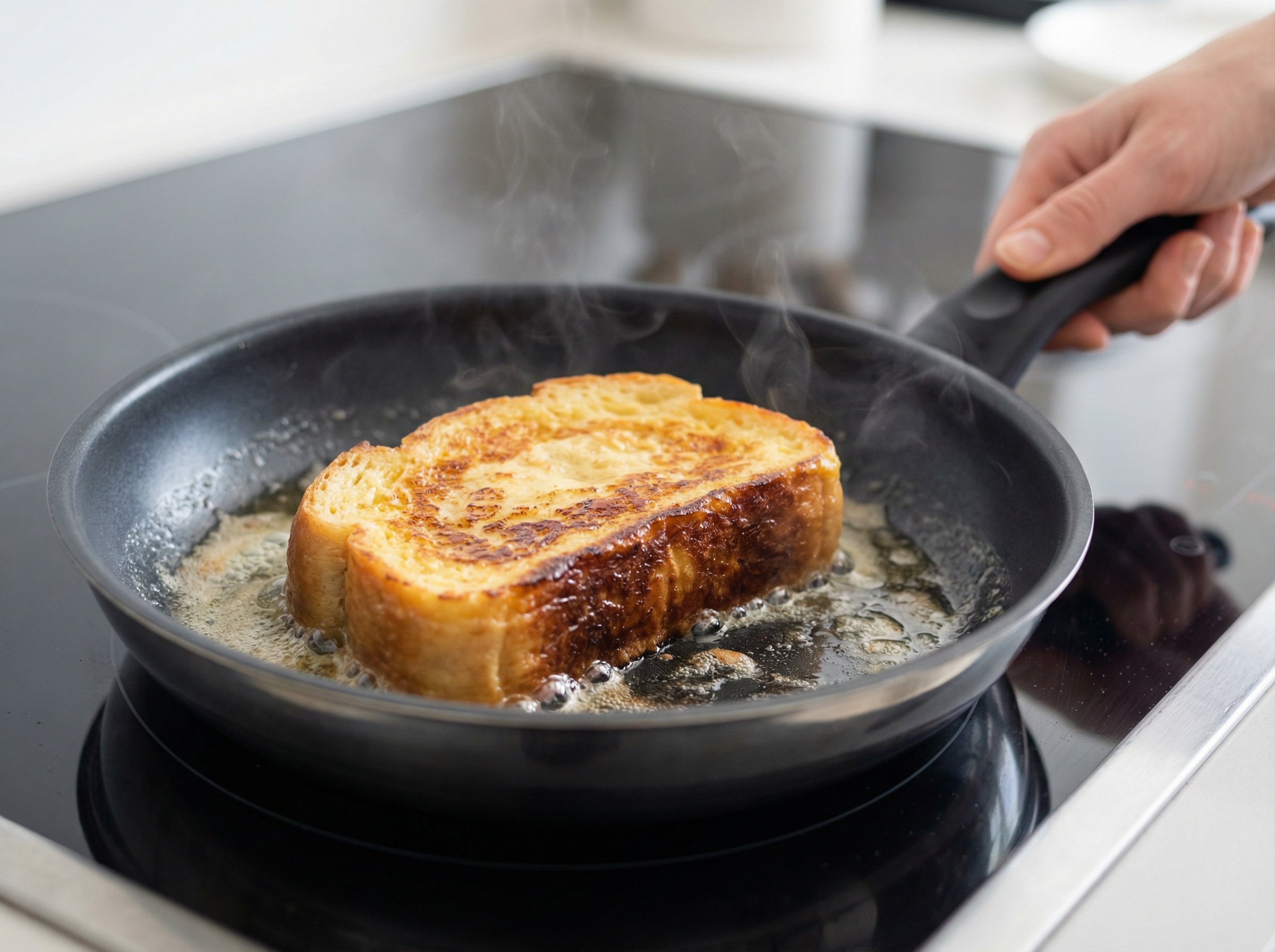
Place the soaked bread in the hot skillet and cook for 2-3 minutes on the first side until deep golden brown. You should see the edges starting to set and turn golden. Resist the urge to move the bread around - let it develop that beautiful crust.
Step 5
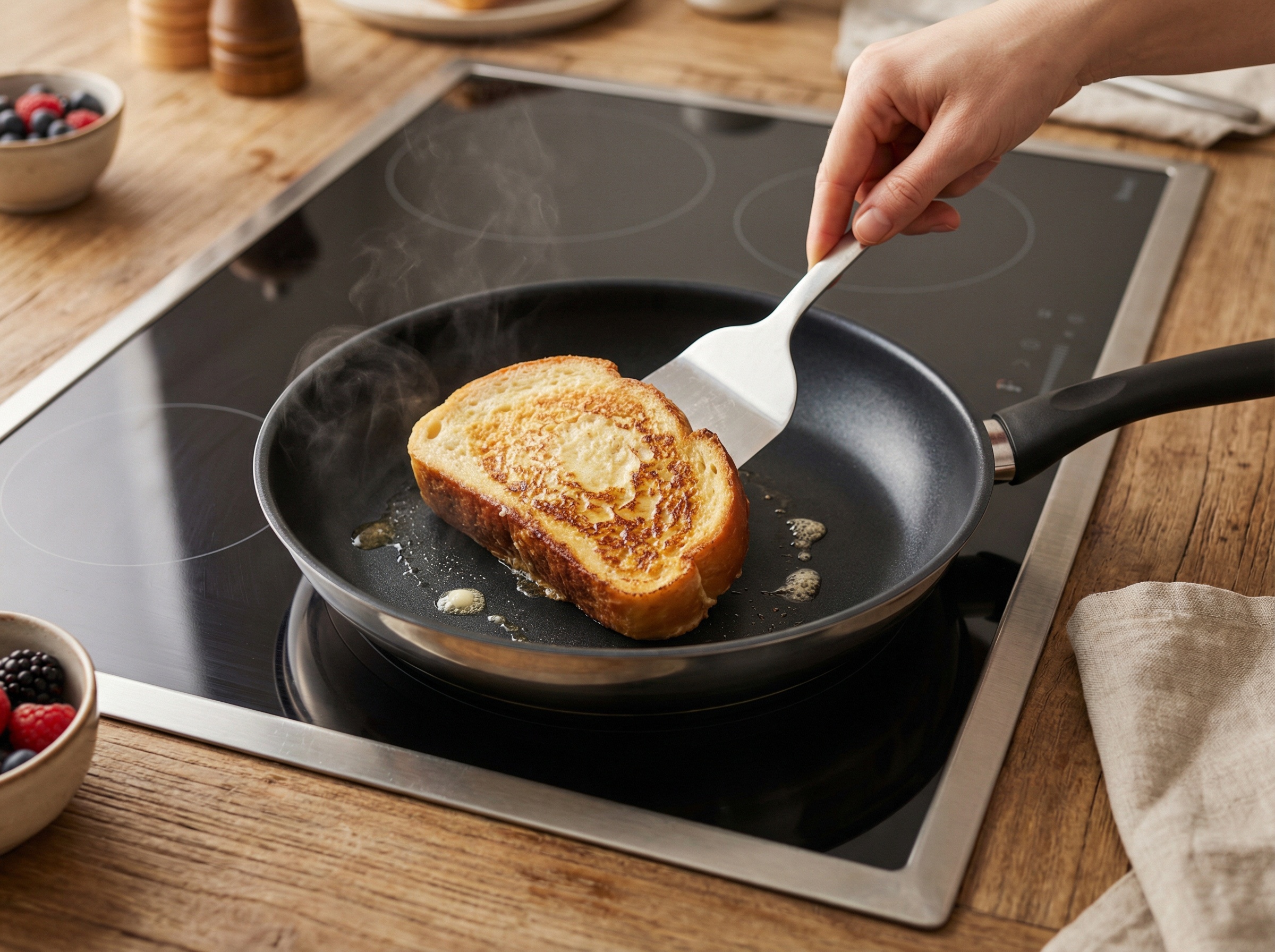
Flip the bread carefully using a wide spatula and cook for another 2-3 minutes on the second side until equally golden and the center feels set when gently pressed. Add more butter to the pan between batches as needed to prevent sticking.
Step 6
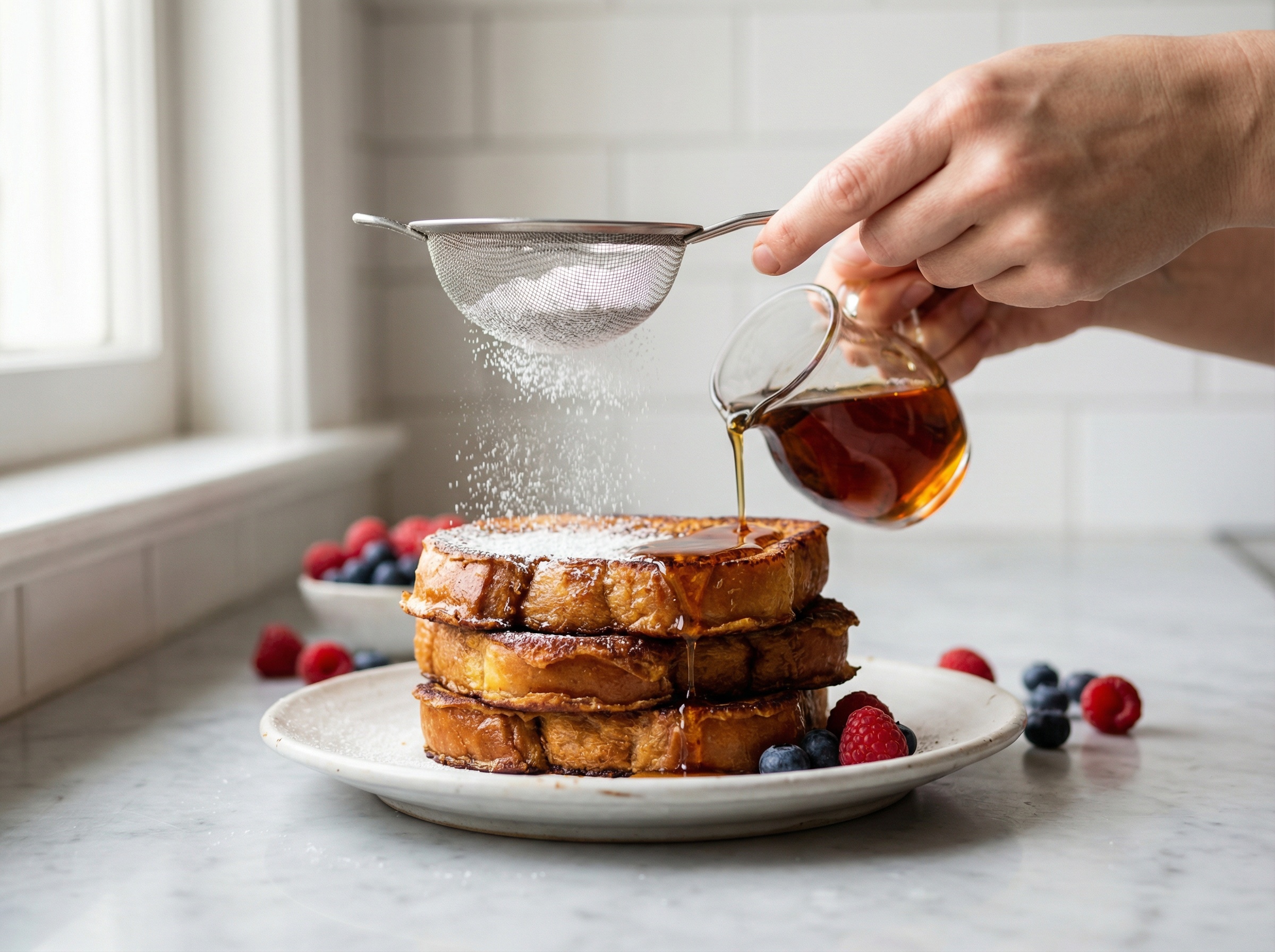
Transfer the finished French Toast to a serving plate. Dust with powdered sugar, drizzle with warm maple syrup, and serve immediately while hot and crispy. For best results, keep finished pieces warm in a 200°F oven while you cook the remaining slices.
You Might Also Like
Master Your Kitchen with PantryAI
Love this recipe? Save it, shop for it, and cook it with ease. Download the PantryAI app to organize your pantry, track expirations, and discover recipes based on what you already have.

On a computer?Scan with your iPhone camera to download PantryAI.








Swipe to see more screenshots