
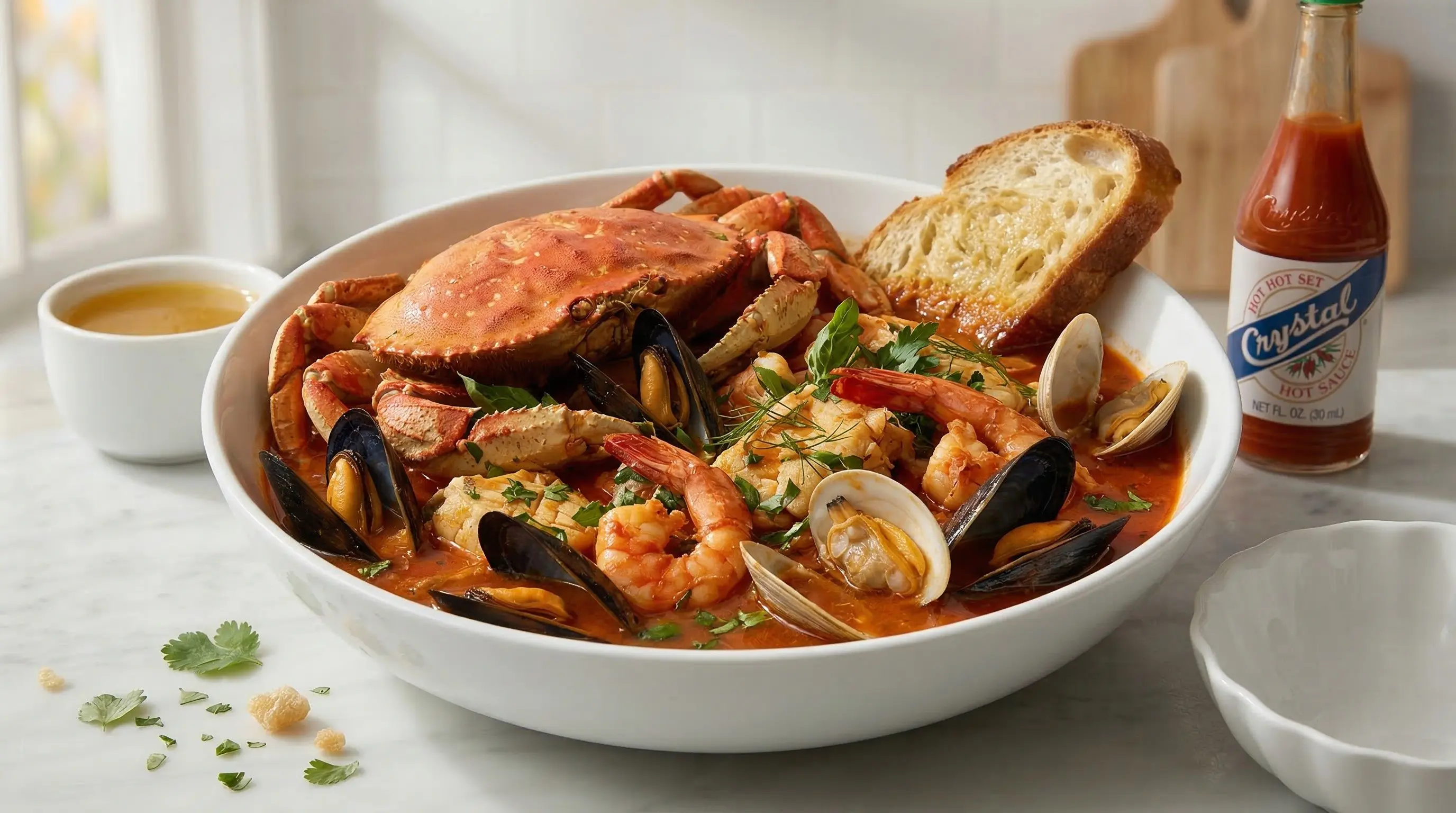
Cioppino
Learn how to make authentic cioppino, the legendary San Francisco seafood stew with Dungeness crab, shrimp, mussels, and fish in a garlicky tomato-wine broth. This Italian-American classic is a showstopping celebration of the sea!
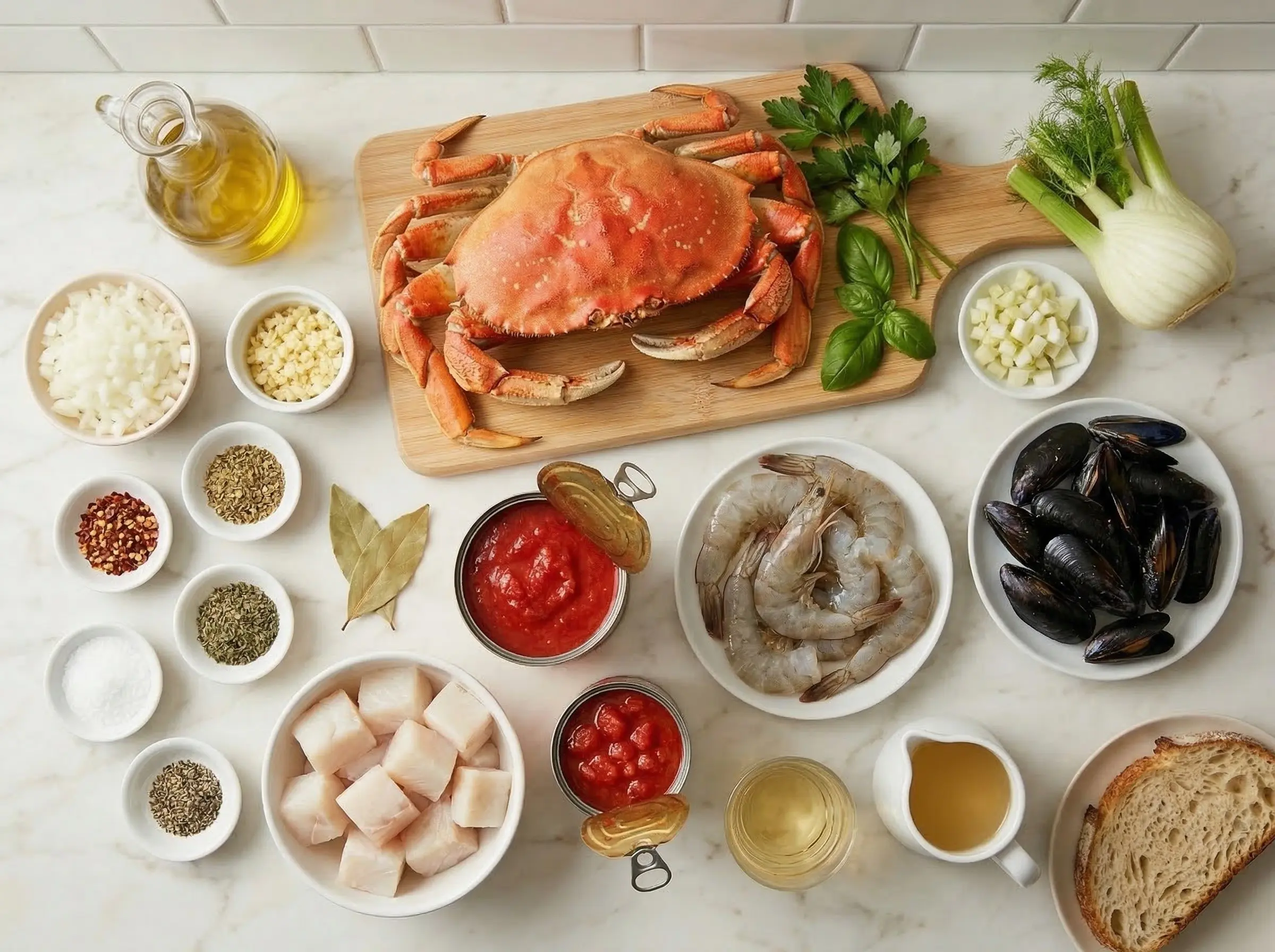
Ingredients
The Story
Cioppino is San Francisco's gift to American cuisine, a magnificent tomato-based seafood stew that emerged from the Italian immigrant fishing community on Fisherman's Wharf in the late 19th century. The dish was created by Italian - primarily Genoese and Sicilian - fishermen who settled in the North Beach neighborhood and worked the waters of the San Francisco Bay. At the end of each day, fishermen would contribute whatever was left from their catch to a communal pot, creating a stew that varied daily based on what the sea provided. The name likely derives from the Ligurian dialect word "ciuppin," meaning chopped or to chop, referring to the cut-up fish that went into the pot, or possibly from the fishermen calling out "chip in!" as they contributed to the communal meal. Cioppino rose to prominence in San Francisco's restaurants during the early 20th century, becoming synonymous with Fisherman's Wharf and the city's identity as a seafood destination. Unlike its Italian ancestors - the brodetto of the Adriatic coast or the cacciucco of Livorno - cioppino evolved to feature Dungeness crab, the prized crustacean of the Pacific Coast that is available from November to June. The dish became a celebration not just of Italian culinary tradition but of California abundance, incorporating whatever the Pacific offered: crab, clams, mussels, shrimp, squid, and firm white fish. Classic establishments like Alioto's, Scoma's, and Tadich Grill made cioppino their signature, serving it in massive bowls with sourdough bread for sopping up the precious broth. What makes cioppino so extraordinary is the harmony between the rich, wine-laced tomato broth and the pristine seafood it cradles. The broth is built carefully - a soffritto of onion, garlic, and bell pepper forms the foundation, followed by tomatoes, white wine, and fish stock that simmer together until complex and flavorful. The seafood is added in stages, with heartier shellfish going in first and delicate fish last, ensuring each component reaches perfect doneness. When properly made, the crab shells have tinted the broth a sunset orange, the mussels have opened to reveal plump meat, the shrimp are just pink and curled, and the fish flakes at the touch of a fork. Served in deep bowls with a pile of napkins and crusty sourdough, cioppino is meant to be eaten with your hands, cracking crab shells and sopping up broth, a joyful mess of a meal that brings people together around the table.
Instructions
Step 1
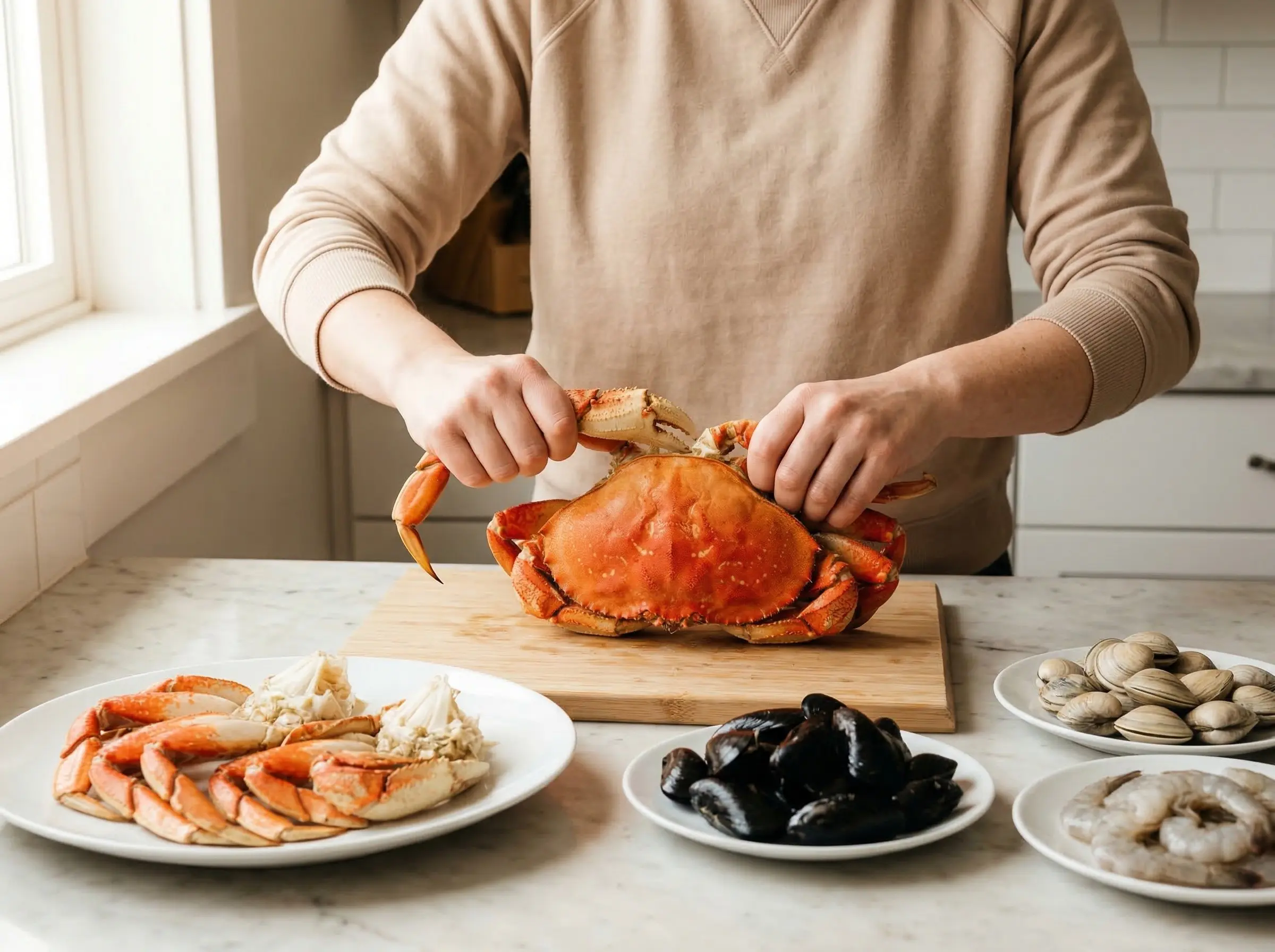
Prepare the seafood. If using whole cooked Dungeness crab, remove the top shell, clean out the gills and innards, and break into sections with legs attached - each diner should get claws and body sections. Scrub the clams and mussels under cold water, discarding any with cracked shells or that do not close when tapped. Pull off the beards from the mussels. Peel and devein the shrimp if desired, though shell-on shrimp add more flavor to the broth. Cut the fish into 2-inch pieces. Have all seafood ready and arranged in order of cooking time before you begin.
Step 2
Build the aromatic base. Heat the olive oil in a large Dutch oven or stockpot over medium heat. Add the diced onion and fennel and cook for 8-10 minutes until softened and translucent. Add the garlic and red pepper flakes and cook for 1 minute until fragrant. The fennel adds an anise-like sweetness that is traditional in San Francisco-style cioppino and complements the seafood beautifully.
Step 3
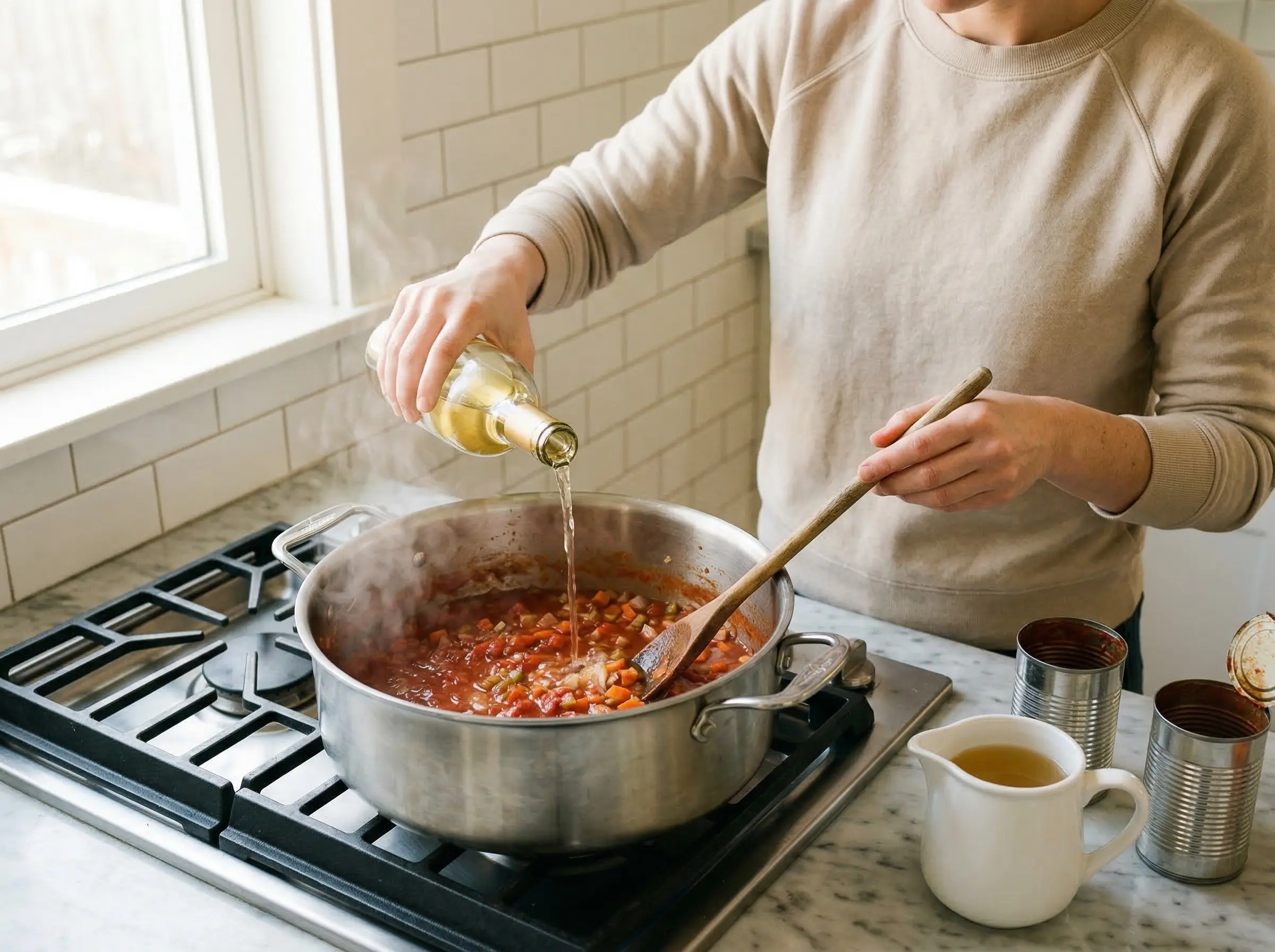
Create the tomato-wine broth. Add the crushed tomatoes, diced tomatoes, white wine, fish stock, bay leaves, oregano, dried basil, salt, and pepper. Stir well and bring to a boil. Reduce heat and simmer uncovered for 20-25 minutes, allowing the flavors to meld and the broth to reduce slightly. The broth should taste bright from the tomatoes, with good wine acidity and depth from the stock. Taste and adjust seasoning - the broth is the foundation, so it should be well-seasoned before adding seafood.
Step 4
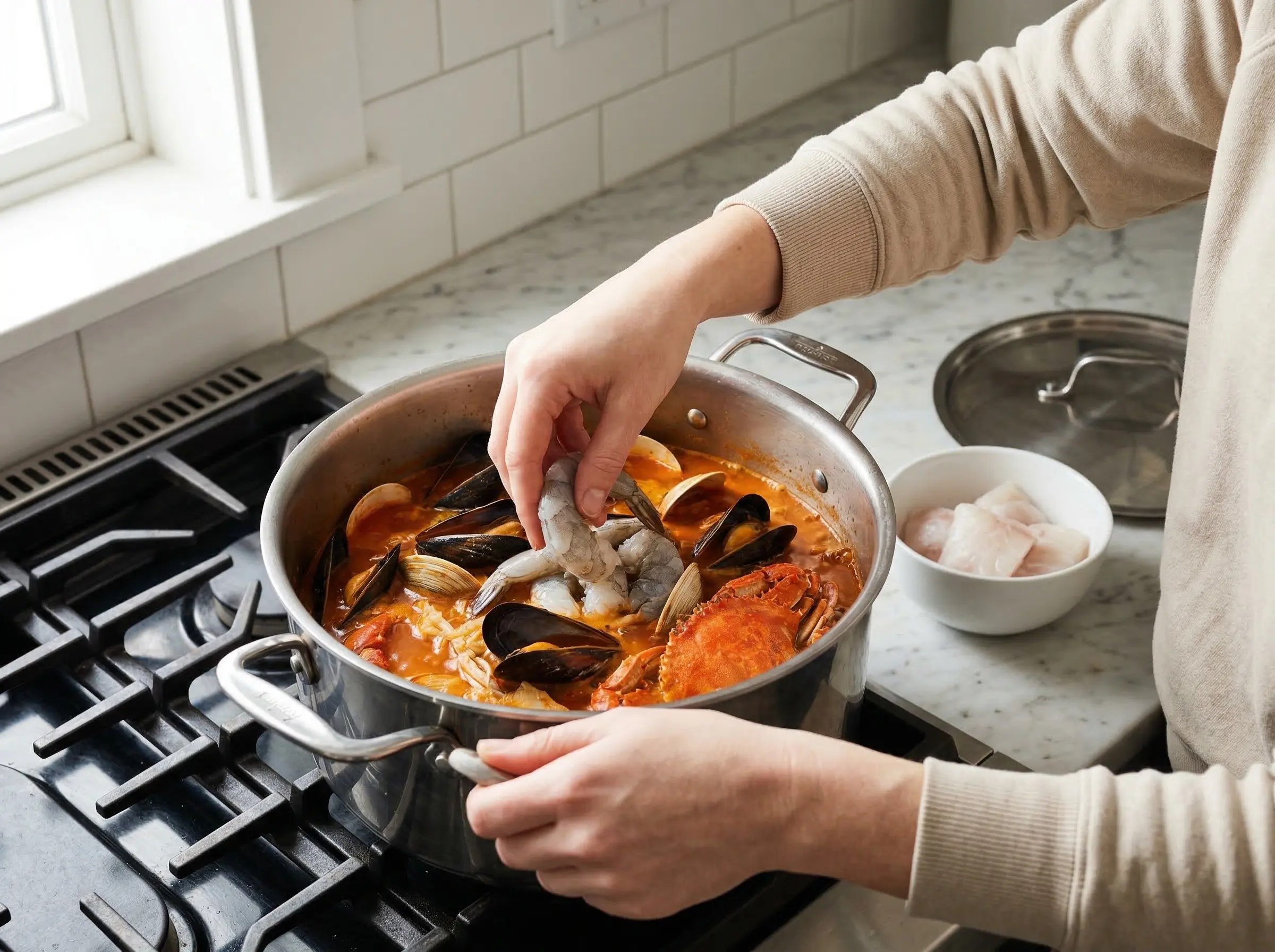
Add the shellfish in stages. Nestle the crab pieces into the simmering broth, pushing them down to submerge. Cover and cook for 3-4 minutes to heat the crab and allow its flavor to infuse the broth. Add the clams, hinge-side down, and cover. Cook for 5 minutes. Add the mussels, cover again, and cook for another 4-5 minutes until the clams and mussels have opened. Discard any that remain closed after cooking.
Step 5
Add the shrimp and fish. Gently add the shrimp and fish pieces to the pot, tucking them into the broth between the shells. Cover and cook for 3-5 minutes until the shrimp are pink and curled and the fish is just cooked through and flakes easily. Be careful not to overcook - the fish should be tender, not rubbery. Remove from heat immediately when the seafood is done.
Step 6
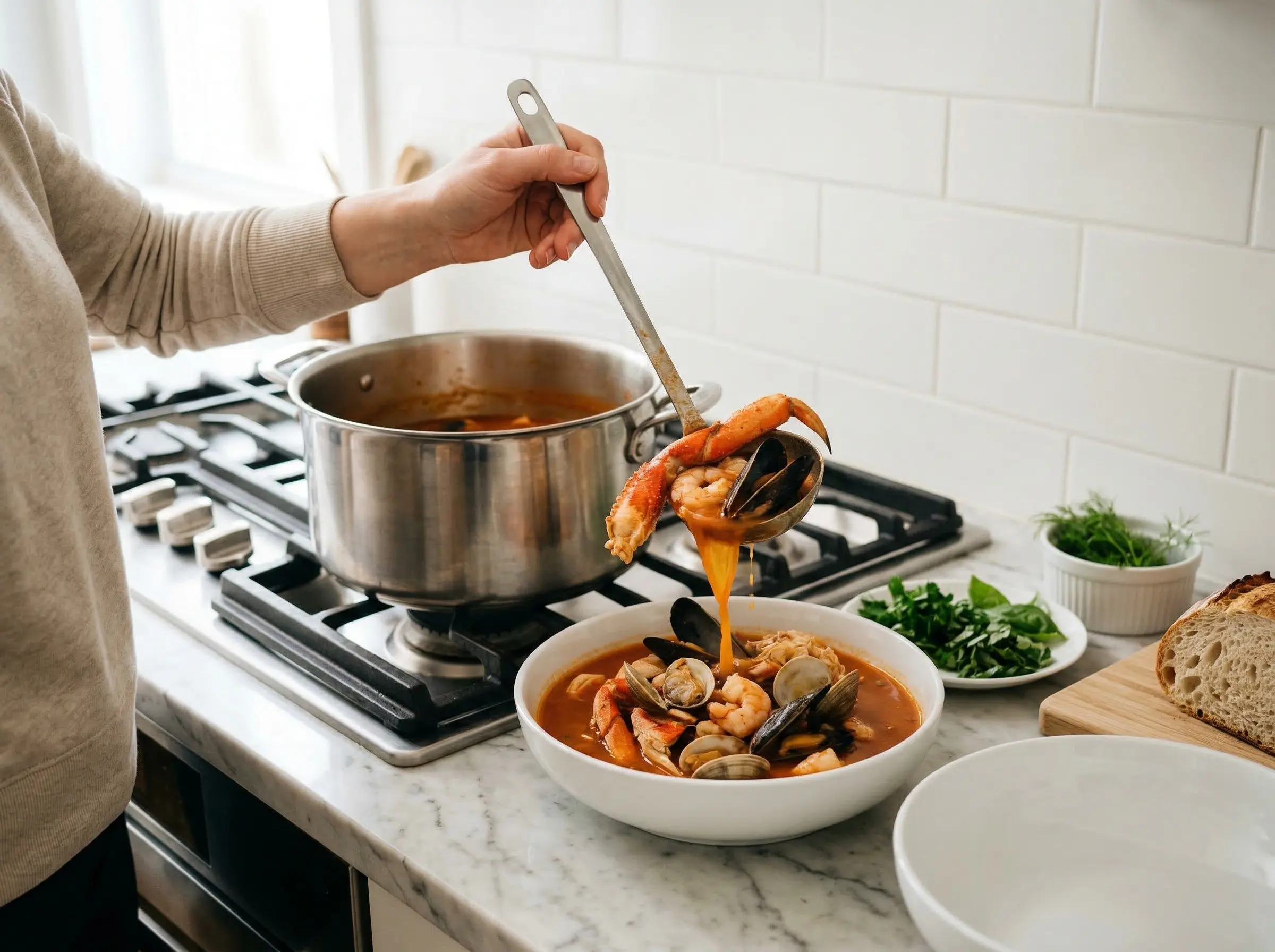
Finish and serve. Remove the bay leaves. Gently stir in the fresh parsley and basil, reserving some for garnish. Taste the broth one final time and adjust seasoning if needed. Ladle the cioppino into large, deep bowls, ensuring each serving has a generous variety of seafood and plenty of broth. Garnish with remaining herbs and reserved fennel fronds. Serve immediately with thick slices of crusty sourdough bread for sopping up every drop of the precious broth. Provide empty bowls for shells, plenty of napkins, and seafood crackers for the crab if needed. Cioppino is meant to be eaten with your hands - crack the crab shells, dip the bread, slurp the mussels from their shells. It is a joyful, messy, communal meal. The broth can be made a day ahead and refrigerated; reheat and add seafood just before serving.
You Might Also Like
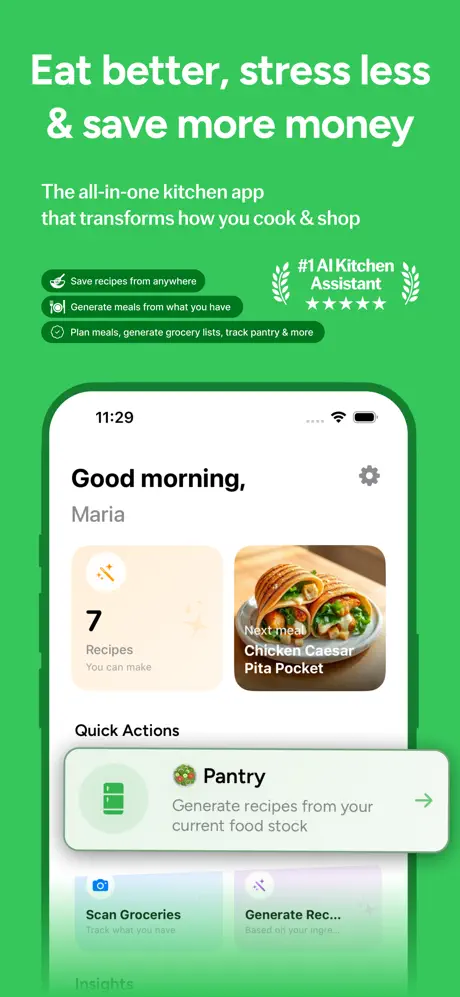
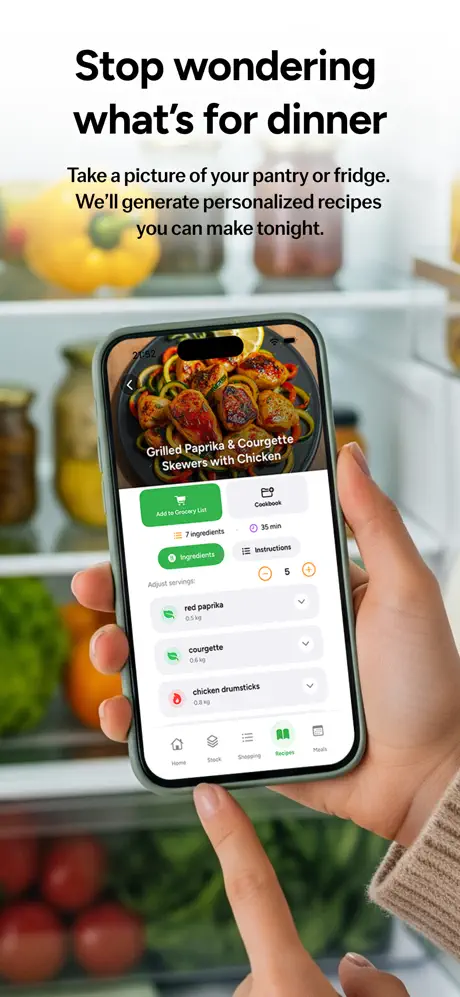
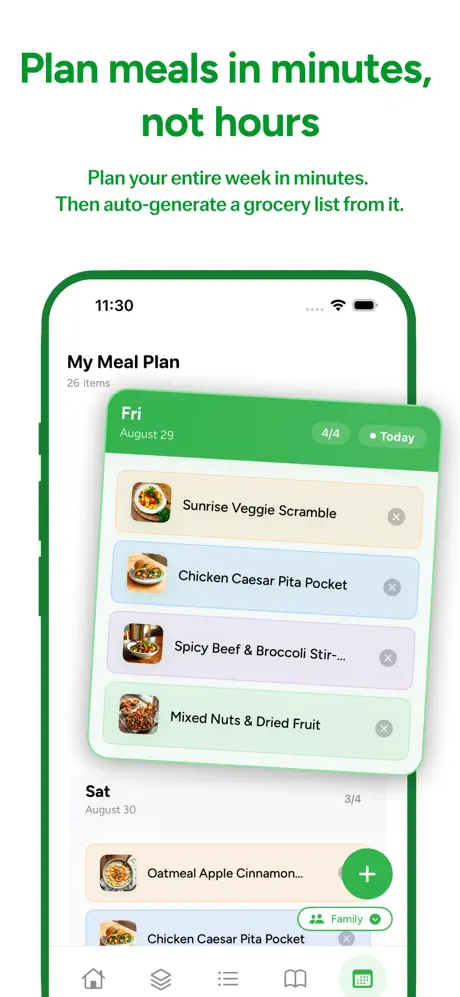
Master Your Kitchen with PantryAI
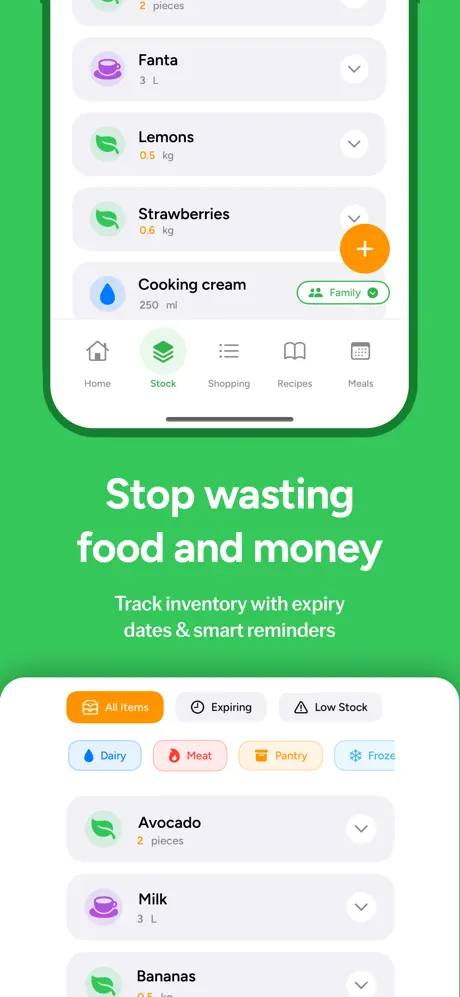
Love this recipe? Save it, shop for it, and cook it with ease. Download the PantryAI app to organize your pantry, track expirations, and discover recipes based on what you already have.

On a computer?Scan with your iPhone camera to download PantryAI.




Swipe to see more screenshots