
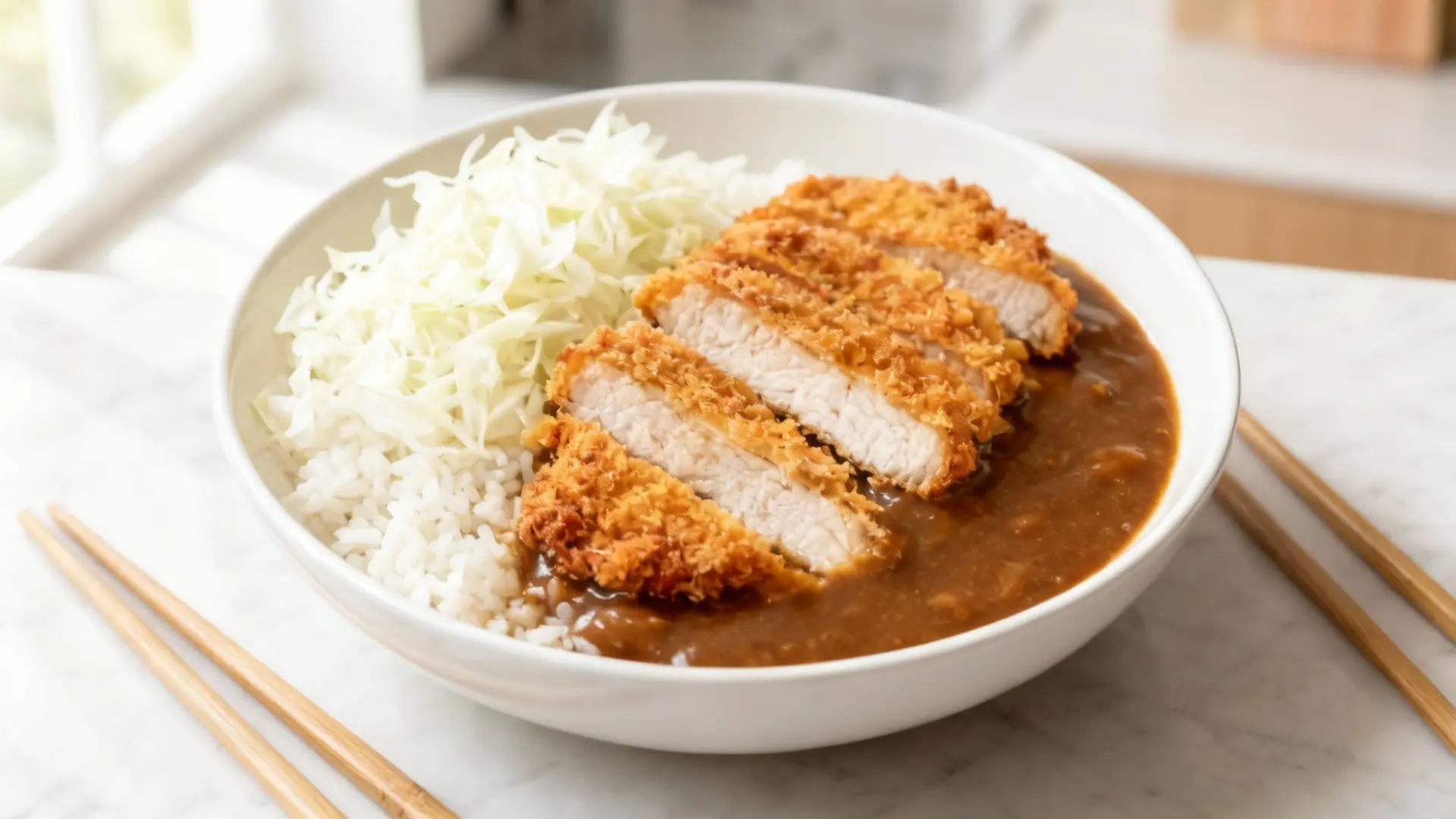
Crispy Chicken Katsu Curry
Learn how to make chicken katsu curry with crispy breaded chicken and rich Japanese curry sauce. This popular dish is comforting, delicious, and easier than you think!
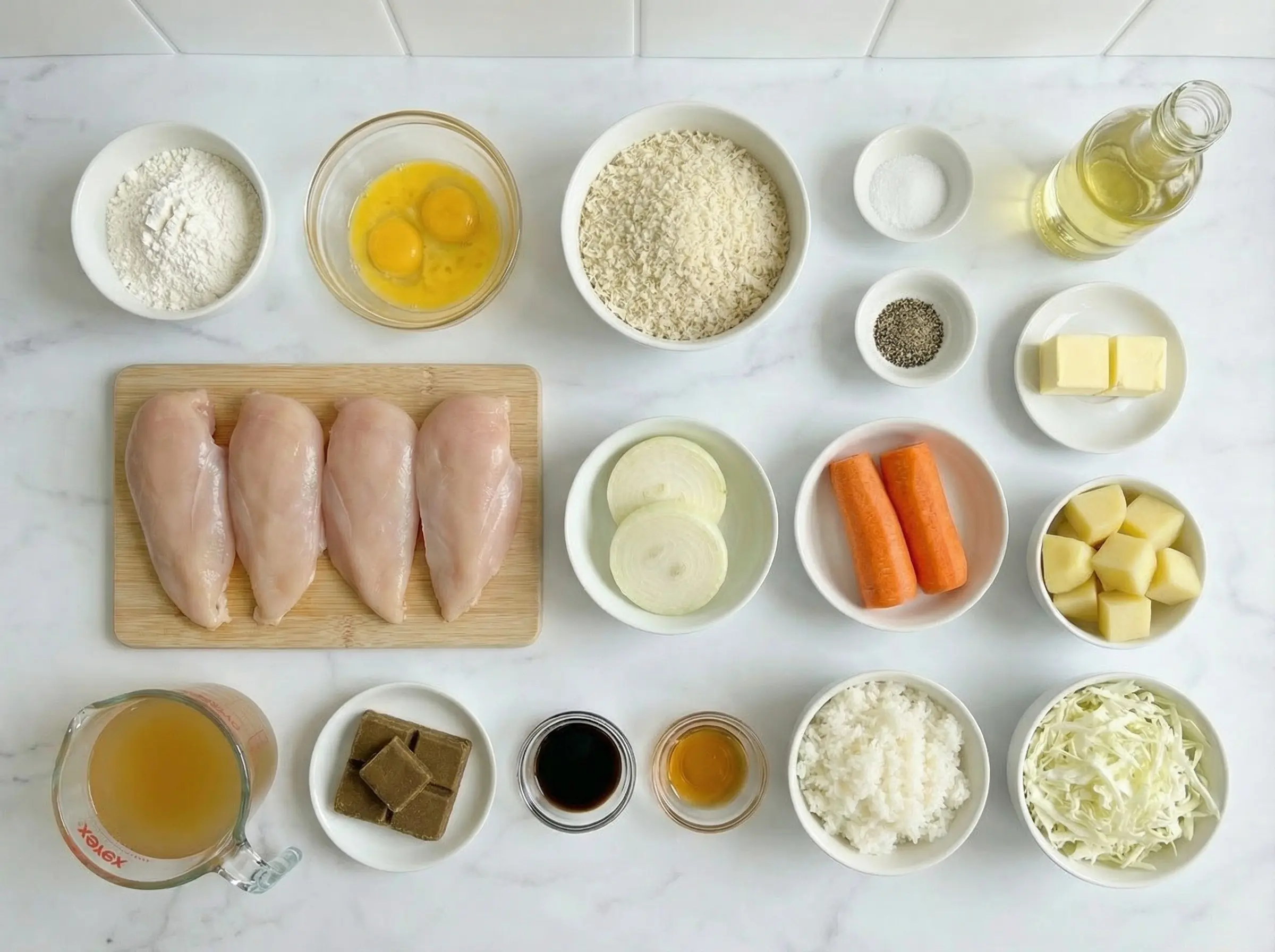
Ingredients
The Story
Chicken Katsu Curry is a beloved Japanese dish that represents a fascinating fusion of culinary influences from around the world. The story begins with tonkatsu, or breaded pork cutlet, which itself was adapted from European schnitzel when Japan opened to Western trade in the late 19th century during the Meiji era. Japanese cooks took the concept of breaded, fried cutlets and made it their own, using panko breadcrumbs for an exceptionally light and crispy coating. Chicken katsu followed as a variation, offering a lighter alternative to the original pork version. The curry component has an equally interesting history. Curry was introduced to Japan by the British Royal Navy in the late 1800s, who had adopted it from India during colonial times. However, Japanese curry evolved into something distinctly different from both British and Indian versions. Japanese cooks made it sweeter, thicker, and milder, often adding ingredients like apples, honey, and a variety of vegetables. By the early 20th century, instant curry roux blocks were invented in Japan, making home curry preparation accessible to everyone. The combination of crispy chicken katsu with curry sauce likely emerged in the post-World War II era, when yoshoku (Western-influenced Japanese cuisine) became increasingly popular. What makes chicken katsu curry so appealing is its perfect balance of textures and flavors. The chicken cutlet is incredibly crispy on the outside while remaining juicy and tender inside, thanks to the airy panko coating. The Japanese curry sauce is rich, slightly sweet, and mildly spiced - comforting rather than challenging. Unlike Indian curries which feature complex spice blends, Japanese curry relies on curry roux blocks that contain a mix of spices, flour, and fat, creating a gravy-like consistency. Served over steamed rice with shredded cabbage on the side, chicken katsu curry has become a staple comfort food in Japan and a favorite at Japanese restaurants worldwide.
Instructions
Step 1
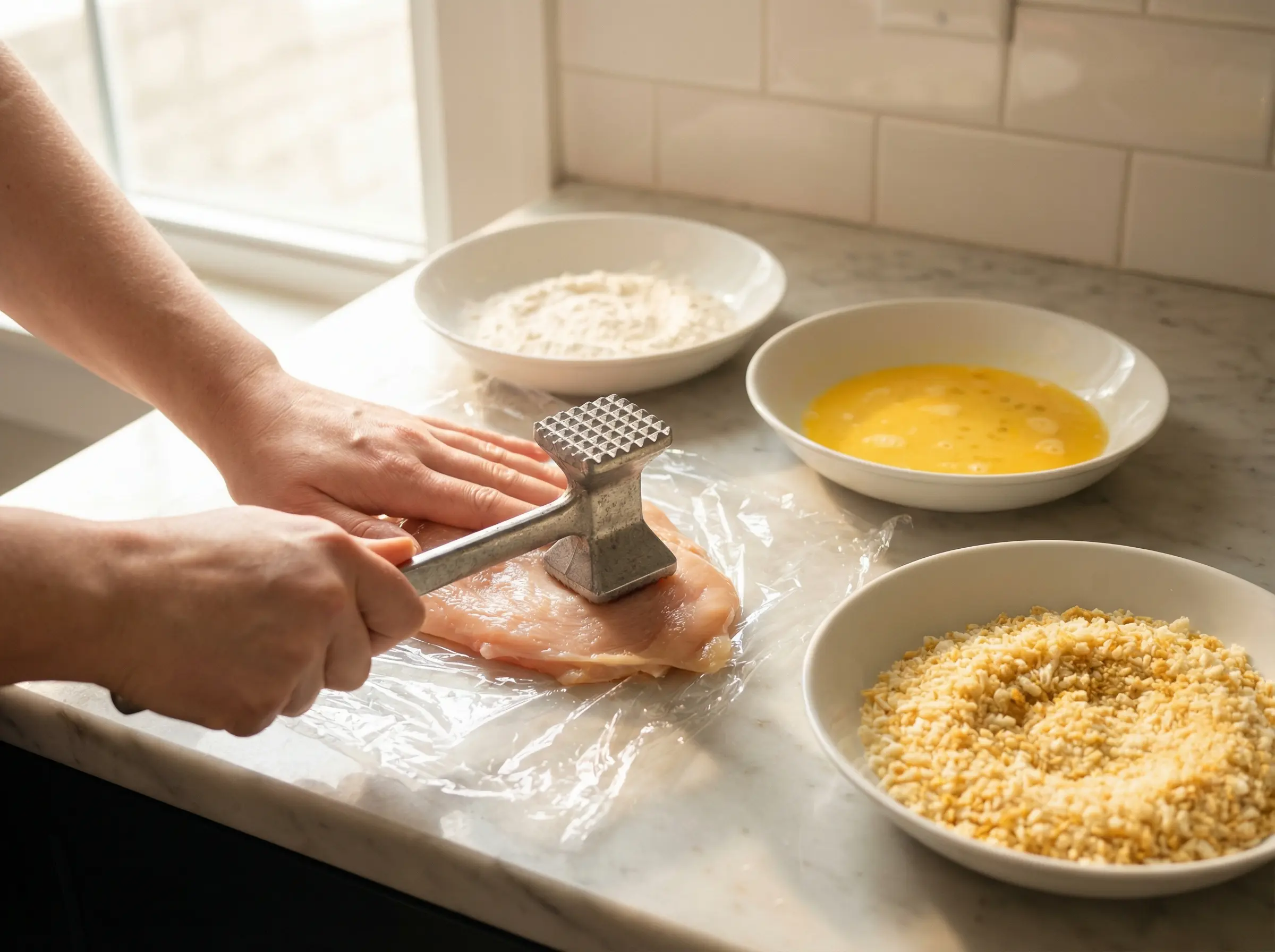
Start by preparing the chicken. Place each chicken breast between two sheets of plastic wrap or parchment paper. Using a meat mallet or rolling pin, gently pound the chicken to an even thickness of about 1/2 to 3/4 inch. This ensures the chicken cooks evenly and quickly. Season both sides generously with salt and pepper. Set up your breading station with three shallow bowls: one with flour, one with beaten eggs (add a splash of water to thin them slightly), and one with panko breadcrumbs. The key to crispy katsu is using Japanese panko breadcrumbs - they are larger and flakier than regular breadcrumbs, creating that signature light, crunchy texture.
Step 2
Coat each chicken breast thoroughly in the flour, shaking off excess. Then dip it in the beaten eggs, letting excess drip off. Finally, press it firmly into the panko breadcrumbs, making sure both sides are evenly coated with a generous layer of crumbs. Press the breadcrumbs gently to help them adhere. Place the breaded chicken on a plate and let it rest for about 10 minutes - this helps the coating stick better during frying. While the chicken rests, you can start making the curry sauce, or prepare everything first and fry the chicken just before serving for maximum crispiness.
Step 3
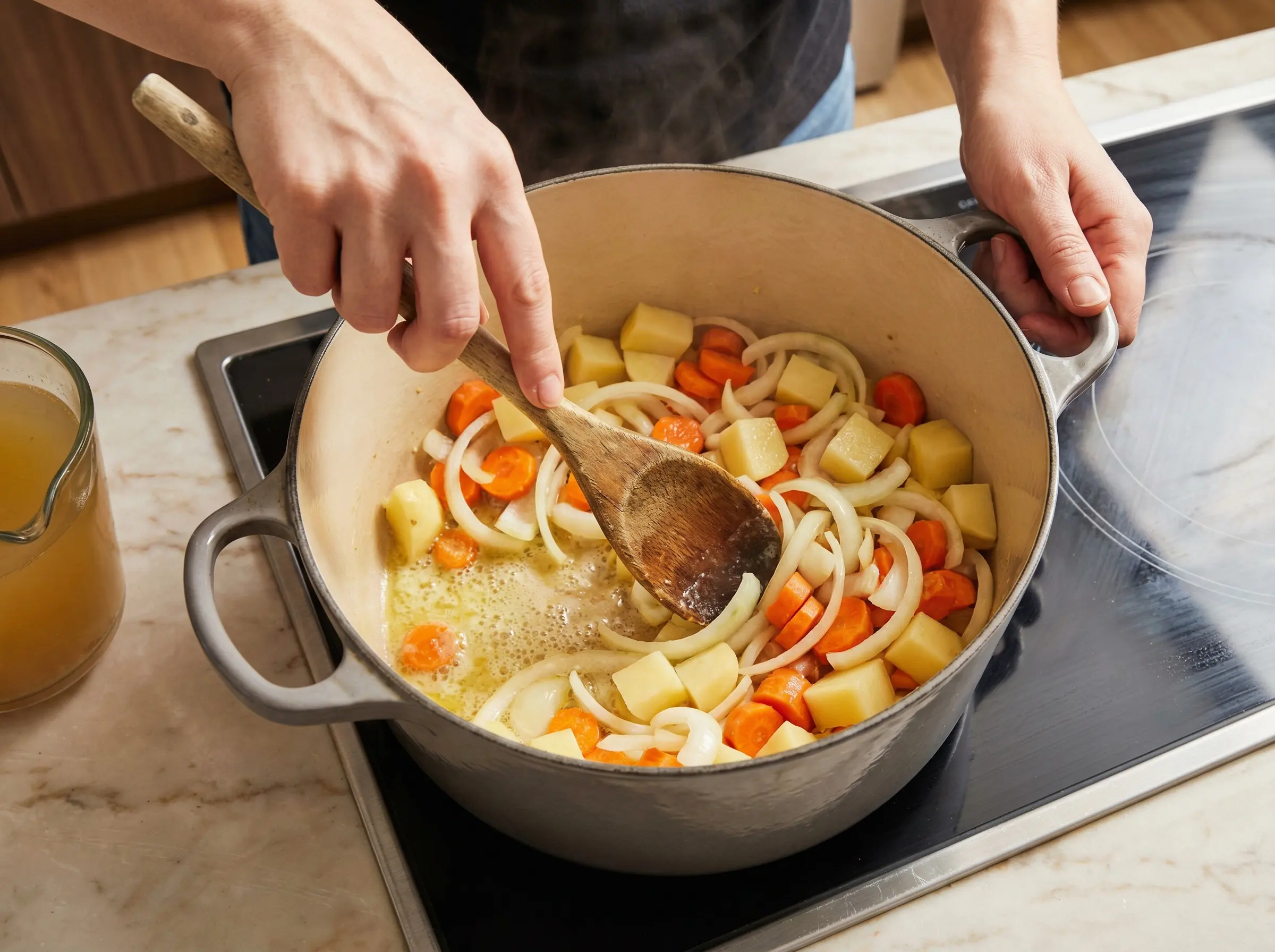
To make the curry sauce, melt the butter in a large pot over medium heat. Add the sliced onion and cook for 5-6 minutes until softened and translucent. Add the sliced carrots and cubed potatoes, stirring to coat with the butter. Cook for another 2-3 minutes. The vegetables will finish cooking in the broth. Pour in the chicken broth and bring to a boil. Reduce heat to medium-low and simmer for about 15-20 minutes until the vegetables are tender when pierced with a fork. The potatoes should be soft but not falling apart, and the carrots should be easily pierced.
Step 4
Once the vegetables are tender, reduce the heat to low. Break the curry roux blocks into pieces and add them to the pot. Stir constantly until the roux completely dissolves and the sauce thickens - this usually takes 3-5 minutes. The curry should become smooth, glossy, and gravy-like in consistency. Add the soy sauce and honey, stirring to combine. These additions enhance the umami and add a touch of sweetness that balances the curry spices. Taste and adjust seasoning if needed. Keep the curry warm on very low heat while you fry the chicken. If it becomes too thick, add a splash of water or broth to thin it out.
Step 5
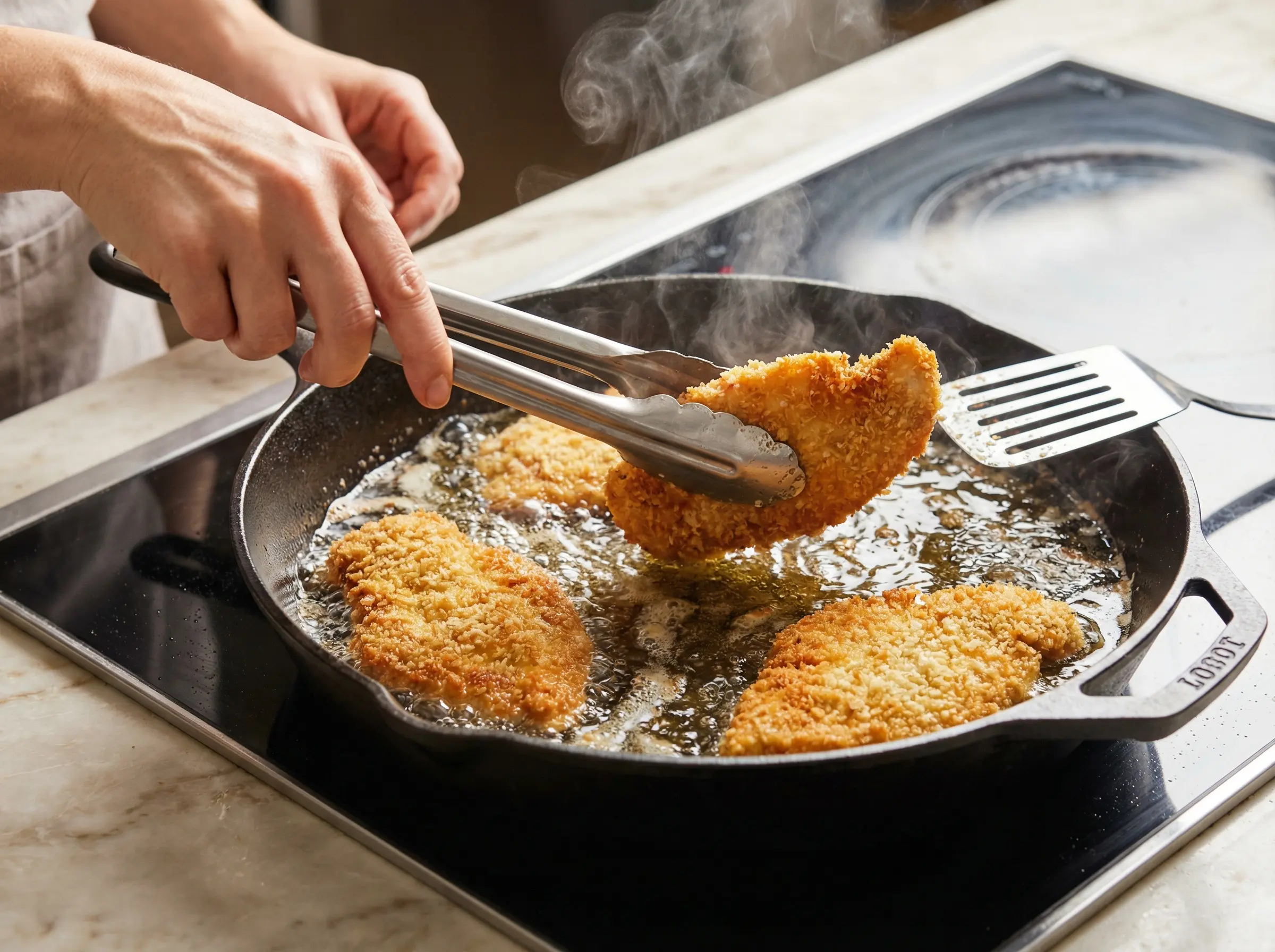
Heat about 1/2 inch of vegetable oil in a large, deep skillet over medium-high heat. The oil should reach about 340-350 degrees F - test it by dropping in a panko crumb; it should sizzle immediately and turn golden. Carefully place the breaded chicken cutlets in the hot oil, being careful not to overcrowd the pan. Fry for about 4-5 minutes on the first side without moving them, until deep golden brown and crispy. Flip carefully and fry for another 4-5 minutes on the second side until golden brown and the internal temperature reaches 165 degrees F. The chicken should be crispy and golden all over. Transfer to a wire rack or paper towel-lined plate to drain excess oil. Let rest for 2-3 minutes.
Step 6
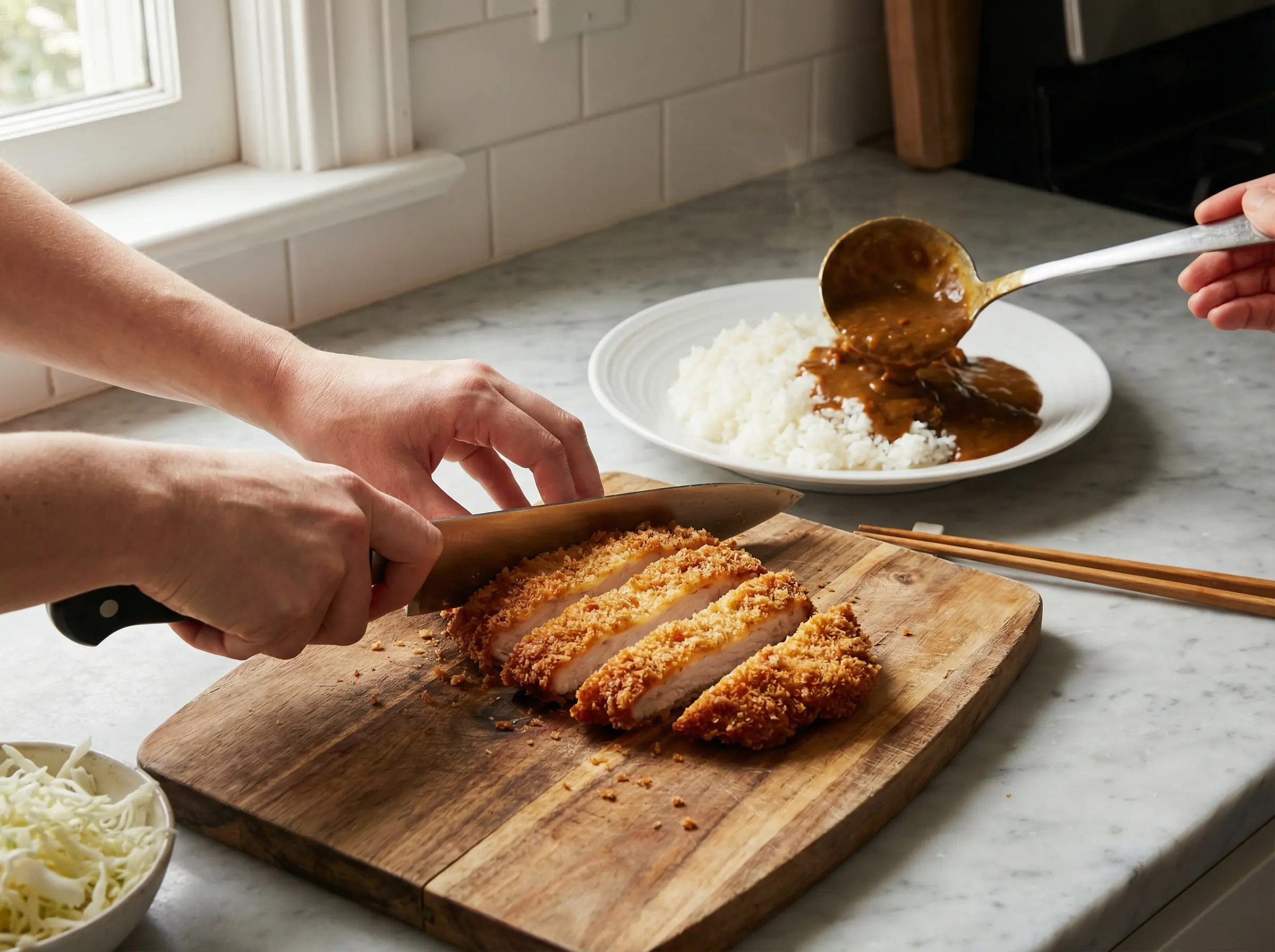
To serve, slice the chicken katsu into strips about 1 inch wide - this makes it easier to eat and shows off the crispy coating and juicy interior. Place a portion of steamed rice on each plate, arrange the sliced katsu next to it, and generously ladle the curry sauce over the rice and partially over the chicken. The traditional presentation allows some of the crispy coating to remain exposed while the rest soaks up the delicious curry. Serve with a pile of finely shredded cabbage on the side - the fresh, crunchy cabbage provides a refreshing contrast to the rich curry and fried chicken. Some people also like to drizzle tonkatsu sauce over the katsu for extra flavor. Enjoy immediately while the chicken is hot and crispy.
You Might Also Like
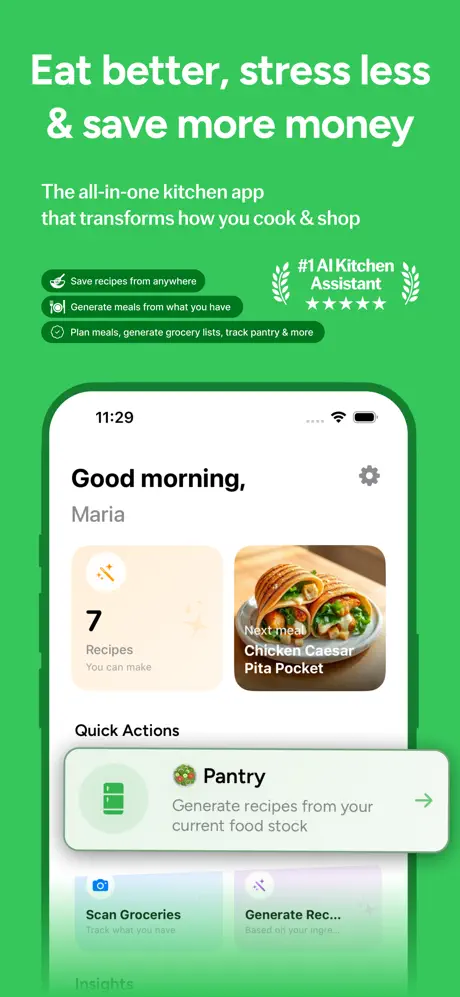
Master Your Kitchen with PantryAI
Love this recipe? Save it, shop for it, and cook it with ease. Download the PantryAI app to organize your pantry, track expirations, and discover recipes based on what you already have.

On a computer?Scan with your iPhone camera to download PantryAI.

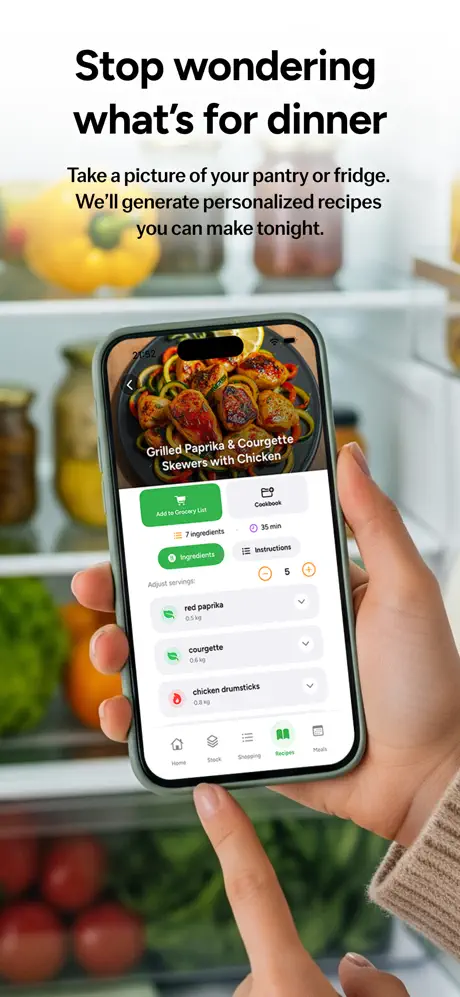
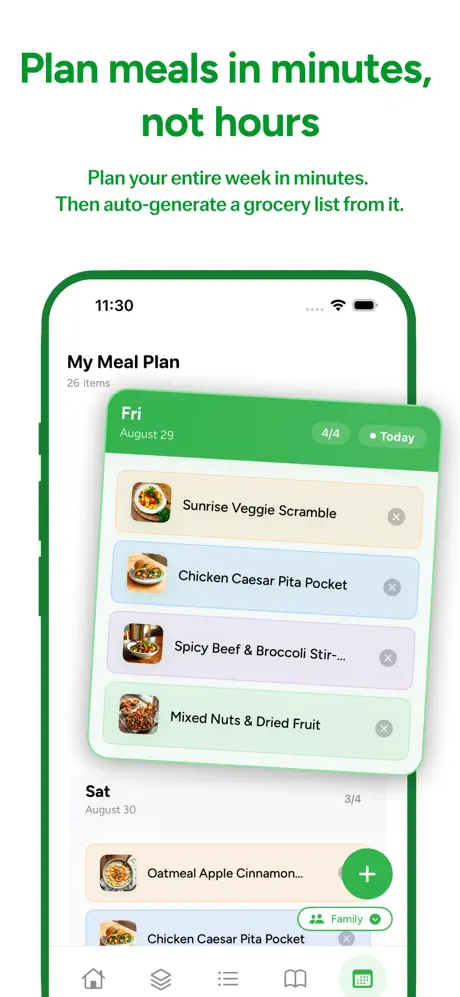



Swipe to see more screenshots